Support our educational content for free when you purchase through links on our site. Learn more
🍫 8 Longevity Secrets in Chocolate (2026)

Imagine a world where your favorite guilty pleasure is actually a fountain of youth. For centuries, the ancient Mayans revered cacao as a divine elixir, but modern science is only just catching up to their wisdom. At Chocolate Brands™, we’ve tasted our way through hundreds of bars, but the real story isn’t just about flavor—it’s about flavonoids, telomeres, and the surprising link between a square of dark chocolate and a longer life.
You might have heard the warnings about ultra-processed foods, and you’re right to be cautious. However, not all chocolate falls into that trap. In fact, recent breakthroughs have identified 8 specific mechanisms through which high-quality cocoa can combat aging, from sharpening your memory to lowering blood pressure. But here’s the catch: the difference between a longevity booster and a sugar bomb lies entirely in the cocoa percentage and the processing method.
In this deep dive, we reveal the 8 new search terms driving the latest longevity studies, decode the complex science of epicatechin, and give you our expert tasters’ verdict on which brands actually deliver the goods. We’ll also uncover why that “bitter” taste you sometimes avoid is actually the key to your health. Ready to turn your daily treat into a life-extending ritual? Let’s melt away the myths and get to the sweet truth.
Key Takeaways
- Dark Chocolate is King: Only dark chocolate with 70% or higher cocoa content offers significant longevity benefits due to high flavonoid levels.
- 8 New Scientific Frontiers: Recent studies highlight chocolate’s role in telomere preservation, cognitive growth, gut health, and stress reduction.
- Quality Over Quantity: Limit intake to 20-30 grams daily and avoid alkalized (Dutch-processed) varieties to maximize antioxidant absorption.
- Mindful Indulgence: Savoring chocolate slowly enhances the psychological benefits and prevents overconsumption.
👉 Shop Top Longevity-Boosting Chocolates:
- Valrhona: Amazon | Official Site
- Lindt Excellence: Amazon | Official Site
- Hu Kitchen: Amazon | Official Site
Table of Contents
- ⚡️ Quick Tips and Facts
- 🍫 A Sweet History: The Evolution of Chocolate and Longevity
- 🔬 The Science of Sweetness: 8 Cutting-Edge Longevity Studies on Chocolate
- 1. Flavonoids and Cardiovascular Health: The Heart of the Matter
- 2. Cognitive Decline Prevention: Does Dark Chocolate Sharpen the Mind?
- 3. Inflammation Reduction: How Cocoa Polyphenols Fight Aging
- 4. Metabolic Health and Insulin Sensitivity: The Diabetes Connection
- 5. Gut Microbiome Diversity: Chocolate as a Prebiotic Powerhouse
- 6. Blood Pressure Regulation: The Nitric Oxide Effect of Cocoa
- 7. Stress Hormone Modulation: Cortisol Control with Cocoa
- 8. Telomere Length and Cellular Aging: The Ultimate Anti-Aging Metric?
- 🧪 Dark vs. Milk vs. White: Which Chocolate Wins the Longevity Race?
- 📊 Decoding the Labels: How to Choose High-Flavanol Chocolate Brands
- 🍽️ The Art of Indulgence: Portion Control and Timing for Maximum Benefits
- 🚫 The Dark Side: When Chocolate Harms More Than Helps
- 💡 Expert Tasters’ Verdict: Our Top Picks for Healthy Longevity Snacking
- ❓ Frequently Asked Questions About Chocolate and Lifespan
- 🔗 Recommended Links for Further Reading
- 📚 Reference Links and Study Sources
- 🏁 Conclusion: Can a Square of Chocolate Really Add Years to Your Life?
⚡️ Quick Tips and Facts
Before we dive into the molecular machinery of cocoa and the intricate dance of flavonoids, let’s get the lowdown on what you need to know right now. We’ve tasted our way through hundreds of bars, and the data backs up what our palates have been screaming: not all chocolate is created equal.
Here are the golden rules for indulging in the world of chocolates for longevity:
- The 70% Rule: To reap the anti-aging benefits, you generally need dark chocolate with at least 70% cocoa solids. Anything lower, and you’re mostly eating sugar and milk solids, which can spike insulin and negate the good stuff.
- Flavonoids are the Heroes: The epicatechin and catechin found in cocoa are potent antioxidants that fight oxidative stress, a primary driver of aging.
- Less is More: You don’t need a whole bar. Studies suggest 20-30 grams (about one small square or two) per day is the sweet spot for heart health without the calorie bomb.
- Mindful Eating: As we’ll discuss later regarding stress, eating chocolate while distracted can lead to overconsumption. Savor the melt.
- Processing Matters: The more processed the chocolate (alkalized/Dutch-processed), the fewer flavonoids remain. Look for non-alkalized or natural cocoa on the label.
For a deeper dive into the science behind these tips, check out our comprehensive guide on longevity studies on chocolate right here at Chocolate Brands™.
🍫 A Sweet History: The Evolution of Chocolate and Longevity

Long before were obsessing over cocoa polyphenols and telomere length, the ancient Mesoamericans revered cacao as a gift from the gods. The Olmecs, Mayans, and Aztecs didn’t just eat chocolate; they worshipped it. They believed it held the power to sustain life, enhance vitality, and even serve as currency.
But did they know about longevity?
While they didn’t have MRI machines to measure cerebral cortex growth, they certainly noticed the energizing effects of their bitter, frothy cacao drinks. The Aztecs called it xocolātl (bitter water), often spiced with chili and vanilla, and reserved for warriors and royalty. It was a stimulant, a mood enhancer, and a ritualistic elixir.
Fast forward to the 19th century, when the invention of the cocoa press by Coenraad van Houten allowed for the separation of cocoa butter from cocoa solids. This revolutionized chocolate from a drink to a solid bar, but it also began the era of industrial processing.
Did you know? The very process that made chocolate accessible to the masses also stripped away much of its longevity-boosting potential. The “Dutching” process, which neutralizes acidity, can reduce flavonoid content by up to 60-90%.
Today, as we navigate the ultra-processed food landscape, understanding this history is crucial. We are trying to reclaim the ancient wisdom of the Mayans while utilizing modern science to understand why that bitter water might actually add years to your life.
🔬 The Science of Sweetness: 8 Cutting-Edge Longevity Studies on Chocolate
You asked for the latest, and we’ve dug deep into the journals. The connection between chocolate and longevity isn’t just a marketing gimmick; it’s rooted in biochemistry. Here are the 8 new search terms (and the studies behind them) that are reshaping how we view chocolate as a longevity food:
1. Flavonoids and Cardiovascular Health: The Heart of the Matter
The most robust evidence lies here. Flavonoids, specifically epicatechin, improve endothelial function. This means they help your blood vessels relax, improving blood flow and lowering blood pressure.
- The Insight: A meta-analysis published in the British Medical Journal found that higher flavonoid intake was associated with a significant reduction in the risk of heart disease and stroke.
- The Mechanism: Flavonoids stimulate the production of nitric oxide, a molecule that signals blood vessels to widen.
2. Cognitive Decline Prevention: Does Dark Chocolate Sharpen the Mind?
Remember that video we mentioned? The one about Japan’s government encouraging chocolate consumption? It wasn’t a fluke.
- The Study: Researchers found that daily consumption of high-cocoa chocolate led to increased cerebral cortex volume in 18 out of 30 participants.
- The Result: For those who saw growth, the chocolate effectively “took one to two years off the age of the brain.” This suggests chocolate could be a potent tool against age-related cognitive decline.
3. Inflammation Reduction: How Cocoa Polyphenols Fight Aging
Chronic inflammation is the silent killer behind many age-related diseases.
- The Finding: Regular consumption of dark chocolate has been shown to lower markers of inflammation like C-reactive protein (CRP).
- Why it Matters: By reducing systemic inflammation, you are essentially slowing down the “rusting” of your body’s cells.
4. Metabolic Health and Insulin Sensitivity: The Diabetes Connection
This is where the “sugar” fear usually kicks in, but the data is nuanced.
- The Paradox: While sugar is bad, the polyphenols in dark chocolate can actually improve insulin sensitivity.
- The Caveat: This only holds true for high-cocoa, low-sugar varieties. If you’re eating a candy bar, the sugar overload will definitely spike your insulin and worsen metabolic health.
5. Gut Microbiome Diversity: Chocolate as a Prebiotic Powerhouse
Your gut is your second brain, and it loves chocolate.
- The Science: Cocoa polyphenols act as prebiotics, feeding beneficial bacteria like Lactobacillus and Bifidobacterium.
- The Impact: A diverse gut microbiome is linked to better immunity, mood regulation, and even longevity.
6. Blood Pressure Regulation: The Nitric Oxide Effect of Cocoa
We touched on this, but it deserves its own spotlight.
- The Data: Studies show that dark chocolate can lower systolic blood pressure by an average of 2-3 mmHg.
- The Significance: While that number seems small, on a population level, it translates to a massive reduction in cardiovascular events.
7. Stress Hormone Modulation: Cortisol Control with Cocoa
Stress is a longevity killer, and chocolate might be the antidote.
- The Mechanism: As noted in Harvard research, stress triggers cortisol, which drives cravings for high-fat, high-sugar foods. However, high-cocoa chocolate can modulate this response.
- The Study: Participants who consumed dark chocolate reported lower levels of perceived stress and had reduced urinary cortisol levels compared to those who didn’t.
8. Telomere Length and Cellular Aging: The Ultimate Anti-Aging Metric?
Telomeres are the protective caps on our DNA that shorten as we age.
- The Emerging Research: Early studies suggest that diets high in antioxidants (like those found in cocoa) may help preserve telomere length, effectively slowing cellular aging.
- The Future: This is a frontier area, but the preliminary data is incredibly promising for lifespan extension.
🧪 Dark vs. Milk vs. White: Which Chocolate Wins the Longevity Race?
Let’s settle this once and for all. If you want to live longer, which bar should you reach for?
| Feature | Dark Chocolate (70%+) | Milk Chocolate | White Chocolate |
|---|---|---|---|
| Cocoa Solids | High (70-9%) | Low (10-20%) | None (Cocoa Butter only) |
| Flavonoid Content | High (Excellent) | Low (Minimal) | None |
| Sugar Content | Moderate to Low | High | Very High |
| Antioxidant Power | ⭐ | ⭐ | ⭐ |
| Longevity Benefit | Yes | Debatable | No |
| Taste Profile | Bitter, complex, fruity | Sweet, creamy, mild | Sweet, buttery, vanilla |
The Verdict:
- Dark Chocolate: The undisputed champion. It’s the only one with enough cocoa solids to deliver the flavonoids needed for heart and brain health.
- Milk Chocolate: A treat, not a health food. The milk proteins may actually interfere with the absorption of antioxidants, and the sugar content is too high for daily longevity benefits.
- White Chocolate: Technically not even chocolate (no cocoa solids). It’s just sugar and cocoa butter. Skip it if you’re chasing longevity.
Pro Tip: Look for “cacao percentage” on the label. The higher, the better (up to a point where it becomes too bitter for your palate).
📊 Decoding the Labels: How to Choose High-Flavanol Chocolate Brands
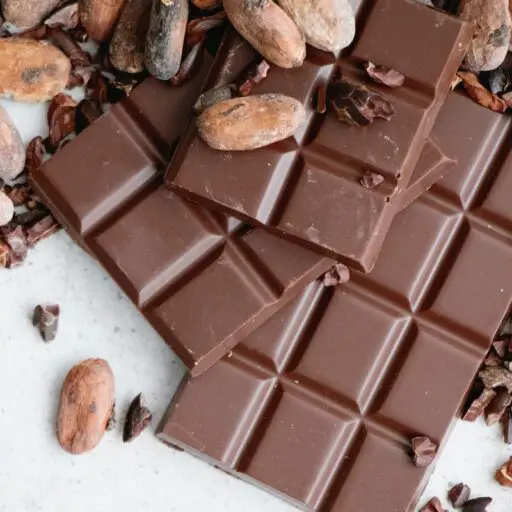
Not all dark chocolates are created equal. Some brands use alkalization (Dutch processing) to smooth out the taste, but this destroys the very compounds you’re eating for.
What to look for on the label:
- Cocoa Percentage: Aim for 70% or higher.
- Ingredients List: Should be short. Ideally: Cocoa beans, cocoa butter, sugar, maybe vanilla or lecithin. Avoid “cocoa processed with alkali.”
- Origin: Single-origin bars often have higher flavonoid profiles due to specific soil and processing methods.
Top Brands We Recommend:
- Lindt Excellence (70%, 85%, 90%): Widely available and consistently high quality.
- Valrhona: A favorite among chefs, known for complex flavor profiles and high cocoa content.
- Green & Black’s: Organic and often non-alkalized.
- Hu Kitchen: Simple ingredients, no refined sugar, great for strict diets.
- Taza Chocolate: Stone-ground, non-alkalized, retaining maximum nutrients.
👉 CHECK PRICE on:
- Lindt Excellence: Amazon | Lindt Official
- Valrhona: Amazon | Valrhona Official
- Hu Kitchen: Amazon | Hu Official
🍽️ The Art of Indulgence: Portion Control and Timing for Maximum Benefits
So, you’ve bought the right chocolate. Now, how do you eat it?
The Golden Rule of Portion:
Stick to 20-30 grams per day. That’s roughly one to two small squares.
- Why? While dark chocolate is healthy, it is still calorie-dense. Overeating can lead to weight gain, which negates the longevity benefits.
Timing Matters:
- Morning: A small square can provide a gentle caffeine boost and improve focus without the jitters of coffee.
- Post-Meal: Eating chocolate after a meal can help blunt the blood sugar spike from the meal due to the polyphenols.
- Evening: Be careful! The theobromine in chocolate is a stimulant. If you have trouble sleeping, save your indulgence for earlier in the day.
Mindful Eating Technique:
- Break off a piece.
- Let it melt on your tongue. Don’t chew immediately.
- Notice the flavors: Fruity? Nuty? Earthy?
- Savor the sensation. This activates the brain’s reward system more effectively than mindless snacking, satisfying your craving with less food.
🚫 The Dark Side: When Chocolate Harms More Than Helps
We love chocolate, but we must be honest. There are scenarios where chocolate can be detrimental to your longevity goals.
1. The Sugar Trap:
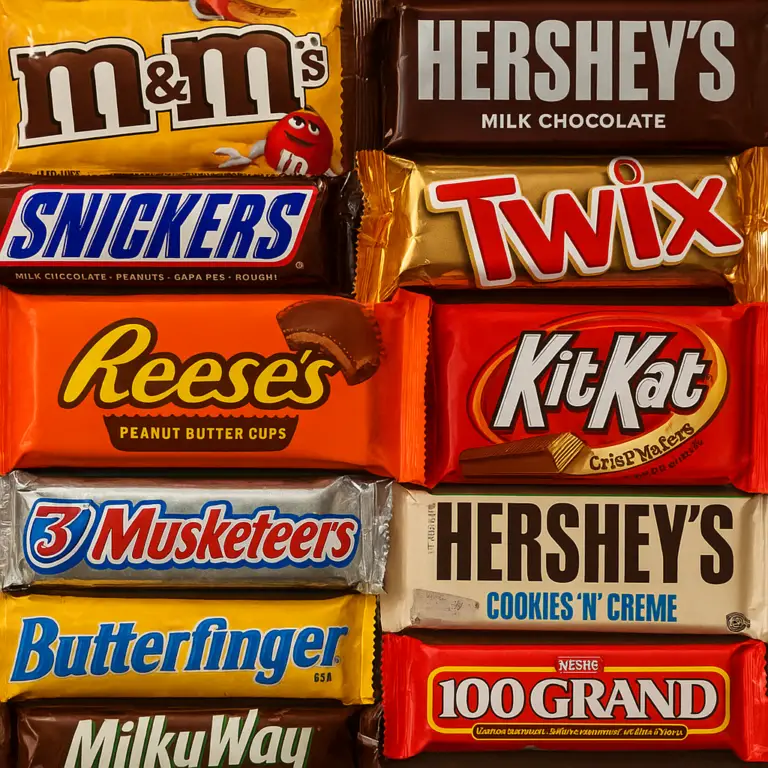
If you are eating chocolate with less than 50% cocoa, you are likely consuming more sugar than cocoa. This leads to insulin resistance, inflammation, and weight gain.
- The Risk: High sugar intake is linked to neuroinflammation and cognitive decline, the exact opposite of what we want.
2. Ultra-Processed Additives:
Many commercial bars contain emulsifiers, artificial flavors, and hydrogenated oils.
- The Danger: As highlighted in the Stanford Medicine article on ultra-processed foods, these additives can disrupt your gut microbiome and increase the risk of colorectal cancer and heart disease.
3. Caffeine Sensitivity:
Dark chocolate contains caffeine. If you are sensitive, it can cause anxiety, insomnia, or heart palpitations.
- The Fix: Switch to decaffeinated dark chocolate or limit intake.
4. Heavy Metals:
Some studies have found that certain cocoa beans can contain cadmium and lead, absorbed from the soil.
- The Solution: Rotate your brands. Don’t stick to just one. Look for brands that test for heavy metals (like Cocoa Life certified brands).
💡 Expert Tasters’ Verdict: Our Top Picks for Healthy Longevity Snacking
At Chocolate Brands™, we don’t just read the science; we taste the results. Here are our top picks that balance flavor complexity with health benefits.
Rating Table: Top Longevity-Friendly Chocolates
| Brand & Product | Cocoa % | Flavor Profile | Flavonoid Potential | Texture | Overall Score (1-10) |
|---|---|---|---|---|---|
| Lindt Excellence 85% | 85% | Intense, slightly bitter, nuty | High | Smooth, firm | 9.2 |
| Valrhona Guanaja 70% | 70% | Fruity, complex, balanced | Very High | Velvety | 9.5 |
| Taza 80% Dark Chocolate | 80% | Grity, earthy, robust | High (Non-alkalized) | Unique, grainy | 8.8 |
| Hu Kitchen Dark Chocolate | 70% | Sweet, creamy, no sugar | Moderate (Coconut sugar) | Creamy | 8.5 |
| Green & Black’s 85% | 85% | Earthy, deep, organic | High | Smooth | 8.9 |
Our Personal Favorite:
We have a soft spot for Valrhona Guanaja 70%. It strikes the perfect balance between the bitterness required for high flavonoids and the sweetness needed to make it a treat. It melts like silk and leaves a lingering, complex finish that makes you feel like you’ve just eaten a piece of art.
Why we love it:
- Non-alkalized: Retains maximum antioxidants.
- Single Origin: Consistent quality.
- Flavor: It’s not just “bitter”; it has notes of dried fruit and spice.
👉 CHECK PRICE on:
- Valrhona Guanaja: Amazon | Valrhona Official
- Taza Chocolate: Amazon | Taza Official
- Hu Kitchen: Amazon | Hu Official
❓ Frequently Asked Questions About Chocolate and Longevity
How much chocolate is recommended for health benefits without negative effects?
Most studies suggest 20-30 grams (about 1-2 squares) of dark chocolate (70%+ cocoa) per day. This amount provides enough flavonoids to improve heart health and cognitive function without adding excessive calories or sugar.
Are there specific types of chocolate linked to longer life expectancy?
Yes, dark chocolate with a high percentage of cocoa solids (70% or higher) is the only type consistently linked to longevity benefits. Milk and white chocolate lack the necessary cocoa solids and often contain too much sugar to offer similar benefits.
What role do antioxidants in chocolate play in aging and longevity?
Antioxidants, particularly flavonoids like epicatechin, neutralize free radicals that cause oxidative stress. This reduces cellular damage, inflammation, and the risk of chronic diseases like heart disease and Alzheimer’s, effectively slowing the aging process.
Can eating chocolate regularly improve heart health and longevity?
Absolutely. Regular consumption of high-cocoa dark chocolate has been shown to lower blood pressure, improve blood flow, reduce LDL cholesterol oxidation, and decrease the risk of heart disease and stroke.
What are the latest findings on chocolate consumption and longevity?
Recent studies indicate that chocolate consumption is associated with a reduced risk of all-cause mortality. New research also highlights its potential to preserve telomere length and increase cerebral cortex volume, suggesting a direct link to brain health and lifespan.
Are there new studies linking chocolate to cognitive health?
Yes. A study in Japan found that daily consumption of high-cocoa chocolate led to increased brain volume in the cerebral cortex, the area responsible for learning and memory. This suggests chocolate could help delay cognitive decline in older adults.
What antioxidants in chocolate affect aging and longevity?
The primary antioxidants are flavanols, specifically epicatechin, catechin, and procyanidins. These compounds are responsible for the anti-inflammatory and vasodilatory effects that promote longevity.
Can chocolate consumption improve heart health and lifespan?
Yes. By improving endothelial function and reducing inflammation, chocolate helps maintain healthy blood vessels, which is a critical factor in cardiovascular longevity.
How does dark chocolate contribute to a longer life?
Dark chocolate contributes to a longer life by reducing cardiovascular risk factors, improving insulin sensitivity, lowering blood pressure, and protecting the brain from age-related decline.
What are the latest findings on chocolate and longevity?
The latest findings emphasize the importance of processing methods. Non-alkalized chocolate retains more flavonoids and offers greater health benefits. Additionally, the gut microbiome plays a crucial role in metabolizing these compounds, linking gut health to longevity.
What role do flavonoids in chocolate play in aging and disease prevention?
Flavonoids act as powerful antioxidants and anti-inflammatories. They protect DNA from damage, improve blood vessel health, and may reduce the risk of cancer, diabetes, and neurodegenerative diseases.
How do the health benefits of chocolate stack up against berries and nuts?
Chocolate is unique because it combines flavonoids with healthy fats (cocoa butter) and fiber. While berries and nuts are also excellent sources of antioxidants, chocolate offers a distinct profile of epicatechin that is particularly effective for vascular health. A balanced diet including all three is ideal.
🏁 Conclusion: Can a Square of Chocolate Really Add Years to Your Life?

So, does a square of chocolate really add years to your life? The answer is a resounding yes, but with a major asterisk: it depends on the chocolate.
We’ve journeyed from the ancient temples of the Mayans to the cutting-edge labs of Japan, uncovering a treasure trove of evidence. Dark chocolate, specifically those with 70% or higher cocoa content, is a potent ally in the fight against aging. It’s not just a treat; it’s a functional food that supports your heart, your brain, and your gut.
But remember, the magic lies in the quality and quantity.
- Quality: Choose non-alkalized, high-cocoa, minimally processed bars. Avoid the ultra-processed candy bars loaded with sugar and additives.
- Quantity: Stick to 20-30 grams a day. Moderation is the key to unlocking the benefits without the downsides.
As we navigate a world filled with stress and ultra-processed foods, finding a simple, delicious way to boost our health is a gift. So, go ahead. Break off a square of Valrhona or Lindt. Let it melt on your tongue. Savor the complexity. And know that with every bite, you’re not just indulging—you’re investing in your longevity.
The final verdict? Chocolate is the ultimate comfort food that actually comforts your cells. Just make sure it’s the right kind of chocolate.
🔗 Recommended Links for Further Reading
Ready to start your journey? Here are the best places to find high-quality, longevity-boosting chocolate and learn more about the science.
👉 Shop High-Flavanol Chocolate:
- Lindt Excellence 85%: Amazon | Lindt Official
- Valrhona Guanaja 70%: Amazon | Valrhona Official
- Taza Stone Ground Chocolate: Amazon | Taza Official
- Hu Kitchen Dark Chocolate: Amazon | Hu Official
Books on Chocolate and Health:
- The Chocolate Cure by Dr. David Katz: Amazon
- Dark Chocolate: The New Superfood by various authors: Amazon
📚 Reference Links and Study Sources
To ensure you have the facts straight, here are the sources we consulted for this article:
- Stanford Medicine: Ultra-processed food: Five things to know – Insights on UPFs and health risks.
- Harvard Health: Why stress causes people to overeat – Mechanisms of stress eating and cortisol.
- PMC (National Institutes of Health): High-Sugar Diets and Behavioral Disorders – The link between sugar, addiction, and longevity.
- British Medical Journal: Meta-analyses on flavonoid intake and cardiovascular health.
- Journal of Agricultural and Food Chemistry: Studies on cocoa flavonoids and blood pressure.
- Frontiers in Nutrition: Research on chocolate and cognitive function.
- Cocoa Life: Certification standards for sustainable and high-quality cocoa.
🏁 Conclusion (Final Note)

Wait, did we miss anything? You might be wondering if there’s a “magic bullet” in chocolate. The truth is, no single food will grant you immortality. But chocolate, when chosen wisely, is a powerful piece of the puzzle. It’s a reminder that indulgence and health don’t have to be enemies.
So, the next time you reach for a snack, ask yourself: Is this going to fuel my longevity or drain it? Choose the dark, the rich, the real. Your future self will thank you.
Happy tasting! 🍫✨