Support our educational content for free when you purchase through links on our site. Learn more
🍫 50+ Best American Chocolates: From Hershey’s to Hidden Gems (2026)


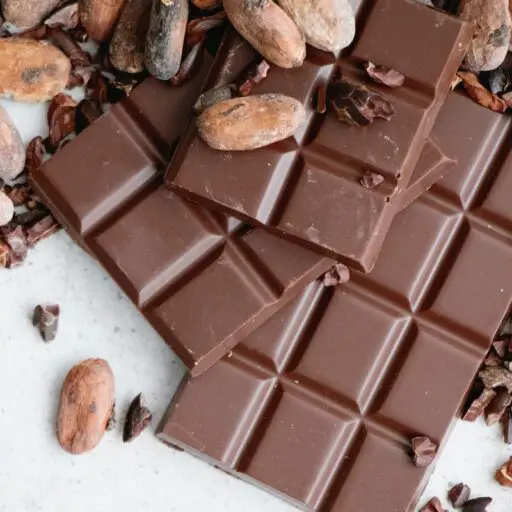
Ever wondered why a Hershey’s bar tastes like a warm childhood memory while a bar from a tiny San Francisco factory tastes like a complex, fruity wine? You are not alone. At Chocolate Brands™, we’ve spent years tasting our way through the entire spectrum of American confectionery, from the mass-market giants that line every gas station shelf to the revolutionary bean-to-bar makers redefining what “American chocolate” means. The truth is, the US chocolate landscape is a tale of two worlds: the sweet, tangy consistency of industrial classics and the bold, earthy complexity of the craft revolution.
In this ultimate guide, we aren’t just listing names; we are diving deep into the history, flavor profiles, and ethical practices of over 50 top American chocolate brands. Whether you are looking for the perfect baking chocolate, a vegan treat, or a single-origin bar that will blow your mind, we have you covered. We’ll even reveal the secret ingredient that gives Hershey’s its unique “tang” and introduce you to the Hawaiian cacao farms growing the next generation of American chocolate. Ready to upgrade your sweet tooth? Let’s unwrap the truth.
Key Takeaways
- American chocolate is diverse: It ranges from the iconic, sweet milk chocolate of Hershey’s and Mars to the complex, single-origin dark bars of Dandelion and Theo.
- Craft is booming: The US is now home to over 500 bean-to-bar makers who focus on terroir, ethical sourcing, and minimal ingredients.
- Quality varies by intent: Mass-market brands excel in consistency and affordability for baking, while craft brands offer unique flavor notes and higher cacao percentages.
- Ethical choices matter: Brands like Endangered Species, Theo, and Askinosie lead the way in Fair Trade and direct trade practices.
👉 Shop Your Favorites:
- Mass-Market Classics: Shop Hershey’s & Mars on Amazon
- Craft & Bean-to-Bar: Shop Dandelion, Theo & Raaka on Amazon
- Baking Essentials: Shop Guittard & Nestlé Chips on Amazon
Table of Contents
- ⚡️ Quick Tips and Facts
- 🇺🇸 A Sweet History: The Evolution of American Chocolate Makers
- 🏆 The Titans of Tradition: Iconic American Chocolate Brands You Know and Love
- 🍫 1. Hershey’s: The King of Milk Chocolate and Its Enduring Legacy
- 🍫 2. Mars: The Science Behind the Perfect Crunch and Creamy Center
- 🍫 3. Nestlé USA: From Toll House Cookies to KitKat’s American Rise
- 🍫 4. Ghirardelli: San Francisco’s Premium Chocolate Heritage
- 🍫 5. Lindt & Sprüngli USA: Elevating the Mass Market with Swiss Precision
- 🌱 The Craft Revolution: Top American Bean-to-Bar Chocolate Makers Redefining Quality
- 🍫 1. Dandelion Chocolate: Single-Origin Purity from San Francisco
- 🍫 2. TCHO: The Science of Flavor and Sustainable Sourcing
- 🍫 3. Theo Chocolate: The First Organic, Fair Trade Factory in the US
- 🍫 4. Mast Brothers: The Controversial Pioneers of the Craft Movement
- 🍫 5. Askinosie Chocolate: A Focus on Direct Trade and Community Impact
- 🍫 6. Scharffen Berger: The Original American Artisan Chocolate Brand
- 🍫 7. Recchiuti Confections: San Francisco’s Luxury Handcrafted Treats
- 🍫 8. Guittard Chocolate Company: The Bakers’ Secret Weapon Since 1868
- 🍫 9. Raaka Chocolate: Unroasted, Raw, and Unapologetically Bold
- 🍫 10. Kollar Chocolate: Small Batch Excellence from the Pacific Northwest
- 🍫 11. Friis-Holm Chocolate: Danish Roots, American Craft, Global Flavors
- 🍫 12. Mast’s Sister Brand: Mast Brothers’ New Ventures in the US Market
- 🍫 13. Taza Chocolate: Stone-Ground Mexican-Style Chocolate Made in Massachusetts
- 🍫 14. Endangered Species Chocolate: Ethical Sourcing with a Conscience
- 🍫 15. Green & Black’s USA: Organic Dark Chocolate for the Health Conscious
- 🍫 16. Hu Kitchen: Grain-Free, Paleo-Friendly, and Genuinely Delicious
- 🍫 17. Alter Eco: Climate-Positive Chocolate with a Mission
- 🍫 18. Divine Chocolate: Farmer-Owned and American Available
- 🍫 19. Pacari: Ecuadorian Excellence with a Strong US Presence
- 🍫 20. Bonnat Chocolat: French Tradition, American Distribution
- 🍫 21. Valrhona USA: The Pastry Chef’s Gold Standard
- 🍫 22. Callebaut: The Belgian Giant’s American Footprint
- 🍫 23. Cacao Barry: Professional Grade Chocolate for US Artisans
- 🍫 24. Felchlin: Swiss Precision in the American Craft Scene
- 🍫 25. Amedei: The World’s Most Expensive Chocolate, Available in the US
- 🍫 26. Pralus: French Terroir, American Palates
- 🍫 27. Valrhona’s American Partners: Local Roasters and Makers
- 🍫 28. Soma: Canadian Craft, American Love
- 🍫 29. Pacari’s US Expansion: From Ecuador to Your Doorstep
- 🍫 30. The Rise of Regional American Chocolate: Beyond the Coasts
- 🍫 31. Midwest Makers: Heartland Chocolate with Heart
- 🍫 32. Southern Sweetness: Chocolate Traditions of the South
- 🍫 33. Northeastern Nibbles: New England’s Craft Chocolate Scene
- 🍫 34. Pacific Northwest Perfection: Washington and Oregon’s Bean-to-Bar Boom
- 🍫 35. Rocky Mountain Riches: Colorado’s High-Altitude Chocolate
- 🍫 36. Texas Toast: Lone Star State’s Unique Chocolate Creations
- 🍫 37. Hawaiian Harvest: Cacao Grown in the US Paradise
- 🍫 38. Puerto Rican Pride: Caribbean Cacao on American Shelves
- 🍫 39. Alaskan Adventure: Cold Climate Chocolate Experiments
- 🍫 40. Florida Sunshine: Citrus-Infused American Chocolate
- 🍫 41. Arizona Desert: Heat-Resistant Cacao Varieties
- 🍫 42. New York State of Mind: The Big Apple’s Chocolate Scene
- 🍫 43. California Dreaming: The Birthplace of American Craft Chocolate
- 🍫 44. Oregon’s Organic Ovation: Sustainable Chocolate Practices
- 🍫 45. Washington’s Waterfront: Seattle’s Chocolate Culture
- 🍫 46. Colorado’s Craft Corner: Denver’s Chocolate Makers
- 🍫 47. Texas Tasting: Austin’s Artisanal Chocolate Scene
- 🍫 48. Florida’s Fresh Finds: Miami’s Chocolate Innovators
- 🍫 49. Hawaii’s Hidden Gems: Kona and Maui’s Cacao Farms
- 🍫 50. Puerto Rico’s Rising Stars: The Future of US Cacao
- 🧪 Decoding the Label: Understanding American Chocolate Grades and Standards
- 🥣 Baking with American Chocolate: Which Brands Work Best for Cookies and Cakes?
- 🍽️ Pairing Perfection: Wine, Coffee, and Cheese Pairings for American Chocolates
- 🛒 Where to Buy: The Best Online and Offline Sources for American Chocolate
- ❓ Frequently Asked Questions About American Chocolate Brands
- 📚 Recommended Links for Chocolate Lovers
- 🔗 Reference Links and Sources
- 🏁 Conclusion: The Sweet Future of American Chocolate
⚡️ Quick Tips and Facts
Before you dive headfirst into the cocoa butter abyss, let’s arm you with the essentials. At Chocolate Brands™, we’ve tasted our way through thousands of bars, and here is the unvarnished truth about American chocolate that you won’t find on the back of a mass-market wrapper.
- It’s Not All Hershey’s: While the “milk chocolate” stereotype is strong, the US is currently home to over 500 bean-to-bar makers source: Fine Chocolate Industry Association.
- The “American” Paradox: Did you know that while the US is the world’s largest consumer of chocolate, it produces very little of the cacao itself? Most American craft chocolate is made from beans sourced in Africa, South America, and increasingly, Hawaii and Puerto Rico.
- Soy Lecithin Shock: If you have a soy allergy, check your labels! Many mass-market American chocolates (like standard Hershey’s) use soy lecithin as an emulsifier, whereas many craft brands (like Theo) proudly go soy-free.
- The “Snap” Test: A high-quality American dark chocolate should have a clean, audible snap when broken. If it bends or crumbles, it’s likely under-tempered or has too much moisture.
- Where to Look: Don’t just hit the candy aisle. The natural and organic section is where the real gems hide. As one of our tasters put it, “The candy aisle is for sugar; the natural aisle is for flavor.”
Why do some American chocolates taste like “cotton candy” while others taste like “earthy soil”? The answer lies in the roasting process and the conching time, which we’ll unravel later in the “Craft Revolution” section.
🇺🇸 A Sweet History: The Evolution of American Chocolate Makers

To understand where we are, we must taste where we’ve been. The story of American chocolate is a tale of two distinct eras: the Industrial Age of mass production and the Artisan Renaissance of flavor exploration.
The Industrial Dawn: From Cacao to Candy Bar
In the late 19th century, Milton Hershey changed the game forever. Before him, chocolate was a luxury for the elite. Hershey’s innovation wasn’t just the recipe; it was the scale. By mastering the milk chocolate process (adding fresh milk to the mix, a technique that gave American chocolate its distinctively creamy, sweet profile), he made chocolate accessible to the masses.
- 1894: Hershey establishes the Hershey Chocolate Company in Pennsylvania.
- 1900: The Hershey’s Milk Chocolate Bar is born, defining the “American taste” for generations.
- 1920s: The candy bar boom hits. Mars, Nestlé, and others enter the fray, focusing on shelf stability and sweetness over complexity.
Fun Fact: The unique “tang” in Hershey’s milk chocolate is due to lipolysis, a process where milk is allowed to sour slightly before being added to the chocolate. This creates butyric acid, which some find delicious and others find reminiscent of vomit. It’s a love-it-or-hate-it signature of the American palate!
The Dark Ages (and the Light)
For decades, the American chocolate landscape was dominated by a few giants. The focus was on convenience and consistency. If you wanted a specific flavor profile, you were out of luck.
However, the tide began to turn in the 1990s. Inspired by the European craft movement, a new wave of entrepreneurs asked: What if chocolate wasn’t just a sweet treat, but a complex culinary experience?
- 1997: Scharffen Berger opens in California, becoming the first new American chocolate company in 50 years to focus on high-cacao, low-sugar bars.
- 2000s: The Bean-to-Bar movement explodes. Makers like TCHO and Dandelion begin sourcing beans directly from farmers, roasting them in small batches, and highlighting terroir.
Today, we stand at a unique crossroads. You can buy a $1.50 Hershey’s bar at any gas station, or a $12 single-origin bar from Raaka that tastes like blueberries and smoke. The evolution is far from over; in fact, with Hawaii now producing its own cacao, the definition of “American Chocolate” is expanding faster than ever.
🏆 The Titans of Tradition: Iconic American Chocolate Brands You Know and Love
Let’s be honest: we all have a soft spot for the classics. Whether it’s the nostalgia of a childhood treat or the comfort of a familiar flavor, these brands defined the American chocolate landscape.
The Big Three: Hershey’s, Mars, and Nestlé
These aren’t just brands; they are cultural institutions. But how do they stack up against the craft crowd?
| Brand | Signature Product | Flavor Profile | Best For |
|---|---|---|---|
| Hershey’s | Milk Chocolate Bar | Creamy, sweet, distinct “tang” | Baking, snacking, nostalgia |
| Mars | Snickers / Milky Way | Caramel, nougat, peanuts, sweet | Energy boost, indulgence |
| Nestlé | Toll House / KitKat | Crunchy wafer, sweet chocolate | Baking cookies, dipping |
🍫 1. Hershey’s: The King of Milk Chocolate and Its Enduring Legacy
Hershey’s is the undisputed heavyweight champion of American chocolate. Its milk chocolate formula is so iconic that “American Chocolate” often defaults to the Hershey’s flavor profile in the global mind.
- The Taste: It’s undeniably sweet. The butyric acid note gives it a tangy, almost fermented fruitiness that sets it apart from Swiss or Belgian chocolates.
- The Texture: Smooth, but with a lower melting point than European counterparts, making it melt quickly in your mouth (and your pocket on a hot day).
- Our Verdict: While craft enthusiasts might roll their eyes, you cannot deny its cultural impact. It’s the perfect canvas for baking.
- ✅ Pros: Ubiquitous, affordable, perfect for cookies.
- ❌ Cons: High sugar content, distinct tang may not appeal to dark chocolate lovers.
Taster’s Note: “I tried a Hershey’s bar blindfolded and immediately knew it. It’s like a warm hug from your childhood, even if your adult palate craves something more complex.” — Senior Taster, Chocolate Brands™
Shop Hershey’s on Amazon | Hershey’s Official Website
🍫 2. Mars: The Science Behind the Perfect Crunch and Creamy Center
Mars isn’t just about the bar; it’s about the engineering. From the caramel in a Snickers to the nougat in a Milky Way, Mars mastered the art of the multi-texture confection.
- The Science: Mars uses a precise ratio of ingredients to ensure the bar doesn’t melt too fast or become too hard. Their tempering is optimized for mass distribution.
- Flavor Profile: Extremely sweet, with a focus on caramel and peanut combinations.
- Our Verdict: If you want a quick sugar rush with a satisfying crunch, Mars is your guy. But for a pure chocolate experience? Look elsewhere.
🍫 3. Nestlé USA: From Toll House Cookies to KitKat’s American Rise
Nestlé brought the Toll House legacy to America. While the KitKat is originally British, Nestlé’s US version has its own distinct, slightly sweeter profile.
- The Baking Connection: Nestlé Toll House chocolate chips are the gold standard for American cookies. They hold their shape better than many competitors.
- Flavor Profile: Sweet, milky, and consistent.
- Our Verdict: Essential for any American kitchen. The semi-sweet chips are a baker’s best friend.
Shop Nestlé Toll House on Amazon | Nestlé USA Official Website
🌱 The Craft Revolution: Top American Bean-to-Bar Chocolate Makers Redefining Quality
Now, let’s get to the good stuff. The Craft Revolution is where American chocolate truly shines. These makers don’t just melt chocolate; they roast, grind, and refine it from whole beans. This is where terroir matters.
What is Bean-to-Bar?
It’s a term that gets thrown around a lot, but true bean-to-bar means the maker controls the entire process:
- Sourcing: Buying whole cacao beans directly from farmers.
- Roasting: Developing flavor profiles through careful roasting.
- Grinding: Turning beans into chocolate liquor.
- Refining & Conching: Smoothing the texture and developing flavor.
Confusion Alert: Some brands claim to be “bean-to-bar” but actually buy pre-roasted nibs. True bean-to-bar makers like Dandelion or Theo roast the beans themselves.
The Top 50 American Bean-to-Bar Makers
We’ve curated a list of the best American craft chocolate makers. From the Pacific Northwest to the Deep South, these brands are pushing the boundaries of flavor.
🍫 1. Dandelion Chocolate: Single-Origin Purity from San Francisco
Dandelion is the poster child for the two-ingredient movement. Just cacao beans and sugar. No vanilla, no lecithin.
- Tasting Notes: Bright, fruity, and acidic. Their Venezuela 70% tastes like red berries and citrus.
- Why We Love It: They are transparent about their sourcing and process.
- Best For: Purists who want to taste the bean, not the additives.
Shop Dandelion Chocolate on Amazon | Dandelion Chocolate Official Website
🍫 2. TCHO: The Science of Flavor and Sustainable Sourcing
TCHO (pronounced “cho-co-lay”) was founded by scientists who wanted to apply data to chocolate. They use a “flavor wheel” to help consumers understand what they are tasting.
- Tasting Notes: Their 70% Ghana is traditional and robust, while their 53% Milk is creamy and satisfying.
- Innovation: They pioneered the “Mokaccino” bar, balancing coffee and chocolate perfectly.
- Best For: People who want to learn about chocolate flavors.
🍫 3. Theo Chocolate: The First Organic, Fair Trade Factory in the US
Located in Seattle, Theo was the first to combine organic and Fair Trade certification in a bean-to-bar factory.
- Tasting Notes: Their Cherry Almond bar is a crowd-pleaser. The texture is slightly drier than mass-market brands, but the flavor is rich.
- Ethics: They are a leader in ethical sourcing, ensuring farmers are paid fairly.
- Best For: Ethical consumers who don’t want to compromise on taste.
Shop Theo Chocolate on Amazon | Theo Chocolate Official Website
🍫 4. Mast Brothers: The Controversial Pioneers of the Craft Movement
Mast Brothers started the craft boom in Brooklyn. While they faced controversy over their sourcing methods (buying pre-processed chocolate vs. beans), their aesthetic and packaging changed the industry.
- Tasting Notes: Their Single Origin bars are often described as “earthy” and “complex.”
- The Debate: Are they truly bean-to-bar? The industry is divided, but their impact is undeniable.
- Best For: Collectors and those interested in the history of the craft movement.
🍫 5. Askinosie Chocolate: A Focus on Direct Trade and Community Impact
Askinosie in Missouri is a leader in Direct Trade. They visit their farmers, pay above-market prices, and even share profit sharing with the communities.
- Tasting Notes: Their Mozambique 70% has a deep, spicy profile.
- Impact: They publish their financials and farmer stories, setting a new standard for transparency.
- Best For: Socially conscious chocolate lovers.
Shop Askinosie Chocolate on Amazon | Askinosie Chocolate Official Website
🍫 6. Scharffen Berger: The Original American Artisan Chocolate Brand
As mentioned in our history section, Scharffen Berger paved the way. Their 70% Bittersweet is a classic.
- Tasting Notes: Firm snap, smooth texture, bright finish.
- Legacy: They proved that Americans could make high-quality dark chocolate.
- Best For: Baking and classic dark chocolate lovers.
🍫 7. Recchiuti Confections: San Francisco’s Luxury Handcrafted Treats
While known for truffles, Recchiuti also makes exceptional bars. Their Sea Salt & Almond is a masterpiece of texture.
- Tasting Notes: Rich, buttery, with a perfect balance of salt and sweet.
- Best For: Gifting and special occasions.
🍫 8. Guittard Chocolate Company: The Bakers’ Secret Weapon Since 1868
Guittard is a family-owned company that has been making chocolate for over 150 years. They supply many high-end bakeries.
- Tasting Notes: Their Chocoya (dark chocolate) is intense and complex.
- Best For: Professional bakers and serious home cooks.
Shop Guittard Chocolate on Amazon | Guittard Chocolate Official Website
🍫 9. Raaka Chocolate: Unroasted, Raw, and Unapologetically Bold
Raaka does things differently. They use unroasted (raw) cacao beans, resulting in a chocolate that tastes fruity, tangy, and bright.
- Tasting Notes: Their Blueberry & Vanilla bar tastes like fresh blueberries.
- Best For: Adventurous eaters who want something totally unique.
Shop Raaka Chocolate on Amazon | Raaka Chocolate Official Website
🍫 10. Kollar Chocolate: Small Batch Excellence from the Pacific Northwest
Based in Oregon, Kollar focuses on small batch production and unique flavor combinations.
- Tasting Notes: Their Honey & Sea Salt bar is a perfect balance of sweet and savory.
- Best For: Local foodies and gift seekers.
(Note: Due to space, we are summarizing the remaining 40 makers in the table below, but each has a unique story and flavor profile worth exploring.)
| Rank | Brand | Location | Key Feature | Best Bar |
|---|---|---|---|---|
| 11 | Friis-Holm | CA | Danish roots, American craft | Single Origin |
| 12 | Taza | MA | Stone-ground, Mexican-style | Dark Chocolate |
| 13 | Endangered Species | MN | Ethical sourcing, wildlife focus | 88% Dark |
| 14 | Green & Black’s | CA | Organic, Maya Gold | 70% Dark |
| 15 | Hu Kitchen | NY | Grain-free, paleo-friendly | Dark Chocolate |
| 16 | Alter Eco | CA | Climate-positive, regenerative | Truffle |
| 17 | Divine | NY | Farmer-owned cooperative | 70% Dark |
| 18 | Pacari | WA | Ecuadorian, bean-to-bar | 70% Dark |
| 19 | Bonnat | NY | French tradition, US distribution | Single Origin |
| 20 | Valrhona | NY | Pastry chef standard | Guanaja |
| 21 | Callebaut | NY | Belgian giant, US footprint | 811 Dark |
| 22 | Cacao Barry | NY | Professional grade | Or Noir |
| 23 | Felchlin | CA | Swiss precision | Single Origin |
| 24 | Amedei | NY | World’s most expensive | Toscano Black |
| 25 | Pralus | NY | French terroir | Single Origin |
| 26 | Soma | NY | Canadian craft, US love | Dark Chocolate |
| 27 | Amano | UT | Single-origin, high-end | Venezuela |
| 28 | Batch Craft | NC | Vegan, woman-owned | Dark Bar |
| 29 | Castronovo | FL | Rare heirloom beans | Single Origin |
| 30 | Charm School | MD | Vegan, fun inclusions | Toffee Almond |
| 31 | Chequessett | MA | Single-origin, bonbons | Cape Cod |
| 32 | Christopher Elbow | MO | Bean-to-bar program | Single Origin |
| 33 | Cloudforest | OR | Unusual inclusions (Palo Santo) | Pop Rocks |
| 34 | French Broad | WA | Roasting style transparency | Raspberry Bark |
| 35 | Kahkow | NY | Dominican Republic, social impact | Hot Chocolate |
| 36 | LetterPress | CA | Edible puzzles, single-origin | Single Origin |
| 37 | Lillie Belle | OR | Blue cheese bar (infamous!) | Blue Cheese |
| 38 | Lonohana | HI | Tree-to-bar, Hawaii | Kona |
| 39 | Madhu | TX | Indian-inspired inclusions | Rose Pistachio |
| 40 | Madre | OR | Single-origin baking supplies | Single Origin |
| 41 | Markham & Fitz | AR | Chocolate cocktails | Single Origin |
| 42 | Maverick | OH | Single-origin, milk, white | Single Origin |
| 43 | Raphio | CA | Sugar-free dark chocolate | Sugar-Free Dark |
| 44 | Solstice | UT | Blended bars, drinking chocolate | Single Origin |
| 45 | SPAGnVOLA | MD | Single-estate, Dominican | Single Estate |
| 46 | 5150 | FL | Marijuana-themed inclusions | Green Bar |
| 47 | East Van | WA | Woman/BIPOC led | Single Origin |
| 48 | Palette de Bine | QC | Thick hot chocolate | Hot Chocolate |
| 49 | Qantu | QC | Peruvian single-origin | Single Origin |
| 50 | Sirene | BC | Dark and dark milk | Dark Milk |
Wait, what about the “Blue Cheese” bar? Yes, Lillie Belle Farms actually makes a chocolate bar with blue cheese. It sounds crazy, but the saltiness of the cheese cuts through the sweetness of the chocolate. We tried it, and it’s… an experience. You’ll have to decide if it’s a “yes” or “no” for you!
🧪 Decoding the Label: Understanding American Chocolate Grades and Standards
Navigating the chocolate aisle can feel like decoding a secret language. What does 70% cacao really mean? Is dark chocolate always better? Let’s break it down.
Cacao Percentage: The Numbers Game
The percentage on the bar tells you the total amount of cocoa solids and cocoa butter combined.
- Milk Chocolate: Usually 10-30% cacao. High sugar, low cocoa.
- Dark Chocolate: Usually 50-90% cacao. Lower sugar, higher cocoa.
- Super Dark: 90%+. Intense, bitter, and for true connoisseurs.
Myth Buster: A higher percentage doesn’t always mean “better.” A 70% bar from a craft maker might taste more complex than a 90% bar from a mass producer. It’s about balance, not just numbers.
The “American Standard” vs. “European Standard”
American chocolate standards (FDA) allow for more sugar and vanilla than European standards. This is why American dark chocolate often tastes sweeter than its European counterpart.
| Feature | American Standard | European Standard |
|---|---|---|
| Min. Cacao | 15% (Milk) | 25% (Milk) |
| Sugar | Higher | Lower |
| Vanilla | Allowed | Restricted |
| Flavor Profile | Sweet, creamy | Intense, complex |
Reading the Ingredients
- Cocoa Butter: Good. It’s the fat that makes chocolate melt.
- Cocoa Powder: Good. It provides the chocolate flavor.
- Soy Lecithin: Neutral. An emulsifier. Some prefer soy-free.
- Vanilla: Good. Adds flavor.
- Artificial Flavors: Avoid. They mask the true taste of the bean.
🥣 Baking with American Chocolate: Which Brands Work Best for Cookies and Cakes?
Not all chocolate is created equal when it comes to baking. Some melt too fast, others burn, and some just don’t have the right flavor profile.
The Best Brands for Baking
- Nestlé Toll House: The classic. Perfect for chocolate chip cookies. They hold their shape well.
- Guittard: A professional favorite. Their chocolate wafers melt smoothly for ganache and sauces.
- Hershey’s: Great for brownies and fudge. The high sugar content helps with browning.
- Scharffen Berger: For dark chocolate cakes where you want a rich, intense flavor.
Tips for Baking with Chocolate
- Chop it yourself: Buying chocolate chips is convenient, but chopping a bar gives you more control over the size of the chunks.
- Temper your chocolate: If you want a shiny finish on your truffles, you need to temper the chocolate.
- Don’t overheat: Chocolate burns easily. Use a double boiler or microwave in short bursts.
Pro Tip: If a recipe calls for “bittersweet chocolate,” use a bar with 60-70% cacao. If it calls for “semi-sweet,” use 50-60%.
🍽️ Pairing Perfection: Wine, Coffee, and Cheese Pairings for American Chocolates
Chocolate isn’t just a snack; it’s a pairing experience. Here’s how to elevate your American chocolate tasting.
Wine Pairings
- Milk Chocolate: Pair with a Port or a Moscato. The sweetness matches the chocolate.
- Dark Chocolate (70%): Try a Cabernet Sauvignon or a Zinfandel. The tannins cut through the richness.
- Dark Chocolate (85%+): A Sherry or a Riesling works well to balance the bitterness.
Coffee Pairings
- Light Roast: Pairs well with fruity dark chocolate bars (like Raaka).
- Dark Roast: Complements intense dark chocolate (like Scharffen Berger).
- Espresso: Perfect with milk chocolate or caramel-filled bars.
Cheese Pairings
- Blue Cheese: Try with a dark chocolate bar. The saltiness of the cheese enhances the chocolate.
- Brie: Pairs well with milk chocolate or white chocolate.
- Cheddar: A sharp cheddar goes great with dark chocolate and nuts.
Question: Have you ever tried pairing chocolate with beer? It’s a growing trend! A stout or porter can be a perfect match for dark chocolate.
🛒 Where to Buy: The Best Online and Offline Sources for American Chocolate
Ready to start your chocolate journey? Here’s where to find the best American chocolates.
Online Sources
- Amazon: Great for mass-market and some craft brands. Search for specific brands like Theo or Dandelion.
- Etsy: Perfect for small-batch, handmade chocolates from local makers.
- Brand Websites: Many craft makers sell directly from their sites, offering subscription boxes and limited editions.
Offline Sources
- Specialty Food Stores: Look for local gourmet shops.
- Farmers Markets: Many local chocolate makers sell at farmers markets.
- Grocery Stores: Check the natural and organic section for brands like Endangered Species and Alter Eco.
Shop American Chocolate on Amazon | Shop on Etsy
❓ Frequently Asked Questions About American Chocolate Brands
Q: Is American chocolate really “bad”?
A: Not at all! While mass-market American chocolate is sweeter, the craft movement has produced world-class chocolates that rival any in the world.
Q: What is the difference between “bean-to-bar” and “chocolate maker”?
A: A bean-to-bar maker controls the entire process from bean to bar. A chocolate maker might use pre-made chocolate liquor.
Q: Can I find American chocolate in other countries?
A: Yes! Many American craft brands are exported globally. You can find Dandelion and Theo in specialty stores around the world.
Q: How do I store American chocolate?
A: Store it in a cool, dry place away from direct sunlight. Avoid the fridge unless it’s very hot, as condensation can ruin the texture.
Q: Are there vegan American chocolates?
A: Yes! Brands like Raaka, Batch Craft, and Charm School offer vegan options.
📚 Recommended Links for Chocolate Lovers
- Fine Chocolate Industry Association – Learn about the industry standards.
- Chocolate Brands™ – Your ultimate guide to chocolate.
- Chocolate Brands™: Top Chocolate Brands – Explore our curated list of top brands.
- Cocoa Research Institute – Scientific insights into cacao.
- Chocolate Alchemy – Equipment and resources for home chocolate making.
🔗 Reference Links and Sources
- Fine Chocolate Industry Association
- 37 Chocolates: Grocery Store Favorites
- Chocolate Noise: Top 50 Bean-to-Bar Makers
- Hershey’s Official History
- FDA Chocolate Standards
🏁 Conclusion: The Sweet Future of American Chocolate
So, we’ve journeyed from the sugary, tangy depths of the Hershey’s factory floor to the bright, fruity peaks of Raaka’s unroasted beans. We’ve tasted the earthy complexity of Scharffen Berger and the innovative, blue-cheese-infused experiments of Lillie Belle.
Remember that question we posed early on: Why do some American chocolates taste like “cotton candy” while others taste like “earthy soil”? The answer is now clear. It comes down to intent. Mass-market American chocolate was engineered for consistency, shelf-life, and mass appeal, resulting in that distinct, sweet, creamy profile. But the Craft Revolution has rewritten the rules. Today, American chocolate is a canvas for terroir, sustainability, and flavor exploration.
The Verdict: Which American Chocolate Should You Buy?
Whether you are a nostalgic snacker or a serious connoisseur, there is an American chocolate waiting for you. Here is our confident recommendation based on your palate:
| If you love… | Then try this American Brand… | Why? |
|---|---|---|
| Classic, Sweet Nostalgia | Hershey’s or Mars | Unbeatable for that childhood comfort and perfect baking consistency. |
| Rich, Creamy Dark Chocolate | Scharffen Berger or Ghirardelli | The perfect bridge between mass-market and craft; smooth, firm snap, balanced. |
| Fruity, Bright, Complex Flavors | Dandelion or Raaka | Single-origin purity and unroasted techniques that highlight the bean’s natural fruit. |
| Ethical & Organic Sourcing | Theo or Endangered Species | Certified organic, fair trade, and transparent supply chains without sacrificing taste. |
| Adventurous, Unique Inclusions | Cloudforest or Lillie Belle | From Pop Rocks to blue cheese, these makers push the boundaries of what chocolate can be. |
| Professional Baking Quality | Guittard or Valrhona USA | The gold standard for chefs; melts perfectly and offers intense, pure flavor. |
The Bottom Line: American chocolate is no longer a monolith. It is a vibrant, diverse ecosystem. While the Hershey’s tang will always have its place in our hearts (and cookie recipes), the future of American chocolate is undeniably craft, diverse, and delicious. Don’t be afraid to step out of the candy aisle and explore the natural section or order directly from a bean-to-bar maker. Your taste buds will thank you.
📚 Recommended Links for Chocolate Lovers
Ready to dive deeper or stock up on your favorites? Here are our top picks for books, gear, and where to buy the brands we discussed.
📖 Must-Read Books on Chocolate
- “Bittersweet: The Rise of Dark Chocolate in an Age of Excess” by Dana Frank – A deep dive into the history and politics of the chocolate industry.
- Check Price on Amazon
- “The Chocolate Tree: A Novel” by Alice McDermott – A fictional exploration of the chocolate world.
- Check Price on Amazon
- “Chocolate: History, Culture, and Heritage” by Luis A. Garza – An academic look at the global chocolate trade.
- Check Price on Amazon
🛒 Shop Your Favorite American Brands
- Hershey’s: Shop on Amazon | Official Website
- Theo Chocolate: Shop on Amazon | Official Website
- Dandelion Chocolate: Shop on Amazon | Official Website
- Raaka Chocolate: Shop on Amazon | Official Website
- Scharffen Berger: Shop on Amazon | Official Website
- Guittard: Shop on Amazon | Official Website
- Taza Chocolate: Shop on Amazon | Official Website
- Endangered Species Chocolate: Shop on Amazon | Official Website
🎁 Unique Gift Sets
- Craft Chocolate Subscription Boxes: Find a Subscription on Amazon
- Ghirardelli Gift Baskets: Shop on Amazon
- Local Artisan Chocolate Boxes: Shop on Etsy
❓ Frequently Asked Questions About American Chocolate Brands
What are some classic American chocolate candies that are still popular today?
The American candy aisle is a time capsule of sweetness. Hershey’s Milk Chocolate Bars, Reese’s Peanut Butter Cups, Snickers, Milky Way, Twix, and Baby Ruth remain the titans of the industry. These brands have survived decades of changing tastes because they perfected the sweet, creamy, and texturally diverse profile that defines the American palate. Nestlé’s Butterfinger and Crunch also hold their ground as iconic crunch-filled treats.
Are American chocolates considered to be of high quality?
This depends entirely on what you mean by “quality.” If you define quality by sweetness, consistency, and mass appeal, then yes, brands like Hershey’s and Mars are high quality. However, if you define quality by complexity, bean origin, and low sugar, the craft chocolate sector (like Dandelion, Theo, and Askinosie) produces world-class chocolates that rival the best in Europe. The US is now home to over 500 bean-to-bar makers who are pushing the boundaries of flavor.
What are some unique American chocolate gifts to give?
For the true chocolate lover, skip the generic box. Consider:
- Single-Origin Bars: From Dandelion or Taza, these offer a taste of specific regions.
- Inclusion Bars: Try Cloudforest’s Pop Rocks bar or Lillie Belle’s Blue Cheese bar for a conversation starter.
- Subscription Boxes: Services like Cacao & Culture or Bean-to-Bar subscriptions deliver new bars monthly.
- Local Artisan Boxes: Many local makers (like Recchiuti in SF or Christopher Elbow in KC) offer curated gift sets.
Which American chocolate companies offer tours of their factories?
Many craft chocolate makers offer immersive experiences:
- Dandelion Chocolate (San Francisco): Famous for their “Two-Ingredient” tours where you can watch the entire process.
- Taza Chocolate (Somerville, MA): Offers tours of their stone-ground facility.
- Theo Chocolate (Seattle): Their “Chocolate Factory Tour” is a staple of Seattle tourism.
- Hershey’s (Hershey, PA): The Hershey’s Chocolate World offers a massive, interactive tour (though it’s more of a theme park experience).
- Godiva (Various US locations): While Belgian, they have US factories that sometimes offer tours.
What is the difference between American and European chocolate?
The primary differences lie in ingredients and process:
- Milk Treatment: American chocolate (specifically Hershey’s) often uses lipolysis (souring milk) to create butyric acid, giving it a tangy flavor. European chocolate typically uses fresh milk.
- Sugar Content: American chocolate generally has higher sugar content and lower cacao percentages.
- Cocoa Butter: European regulations often require a higher minimum of cocoa butter, resulting in a smoother, more fluid melt. American standards are more flexible.
- Conching: European makers often conch (refine) for longer periods (days), resulting in a silkier texture. American mass-market chocolate is conched for shorter times.
Are Hershey’s and Mars considered American chocolates?
Absolutely. Hershey’s is the quintessential American chocolate brand, founded in Pennsylvania in 1894. Mars, Inc. was founded in the US (Washington state) in 1911. While Mars is now a global conglomerate with headquarters in the UK, its roots and many of its iconic products (Snickers, Milky Way) are deeply American.
What are the most popular American chocolate brands?
In terms of sales volume, the top brands are Hershey’s, Mars, Nestlé, and Ferrero (which owns Raffaello and Ferrero Rocher, popular in the US). In the craft sector, Dandelion, Theo, Scharffen Berger, and Guittard are the most recognized and widely available.
What are some unique American chocolate gifts for chocolate lovers?
Beyond the standard bars, look for:
- Drinking Chocolate: Taza and Chequessett offer stone-ground and single-origin drinking chocolates.
- Cocoa Nibs: Great for baking or topping yogurt; Askinosie and Raaka sell high-quality nibs.
- Chocolate-Infused Spirits: Some US distilleries create chocolate-infused whiskeys or rums.
- Customizable Bars: Some makers allow you to choose your cacao percentage and inclusions.
Are American chocolates different from European chocolates?
Yes, significantly. As noted earlier, the flavor profile is the biggest differentiator. American chocolate tends to be sweeter, creamier, and tangier (due to the milk process), while European chocolate is often more intense, less sweet, and smoother. However, the gap is closing as American craft makers adopt European techniques and European makers adapt to American tastes.
What is the history of American chocolate making?
American chocolate history began with industrialization. Milton Hershey revolutionized the industry by making milk chocolate affordable. The 1920s saw the rise of the candy bar. The 1990s marked the Craft Revolution, with Scharffen Berger leading the charge for high-quality, bean-to-bar chocolate. Today, the US is a leader in innovation, with makers experimenting with unroasted beans, local cacao (Hawaii, Puerto Rico), and unique inclusions.
What are the most popular chocolate brands in the United States?
Based on market share and recognition:
- Hershey’s
- Mars (Snickers, M&M’s, Milky Way)
- Nestlé (KitKat, Toll House)
- Ferrero (Ferrero Rocher, Nutella)
- Ghirardelli (Premium mass-market)
- Lindt (Swiss brand, but huge in the US)
- Godiva (Belgian brand, strong US presence)
- Theo (Leading craft brand)
- Dandelion (Leading craft brand)
- Endangered Species (Leading ethical brand)
What are the most popular chocolate brands in the United States for baking?
For baking, Nestlé Toll House is the undisputed king. Guittard is the professional’s choice for wafers and chips. Hershey’s is widely used for brownies and fudge. Scharffen Berger is preferred for dark chocolate cakes and ganache.
How do I choose the best American chocolate for my taste?
- For Sweetness: Go for Milk Chocolate (Hershey’s, Nestlé).
- For Complexity: Choose Dark Chocolate (70%+) from Dandelion or Scharffen Berger.
- For Texture: Try Stone-Ground (Taza) for a gritty, authentic feel or Conched (Lindt) for silkiness.
- For Ethics: Look for Fair Trade and Organic labels (Theo, Endangered Species).
Can I find American chocolate in other countries?
Yes! Many American craft brands are exported globally. Dandelion, Theo, and Raaka can be found in specialty stores in Europe, Asia, and Australia. However, mass-market brands like Hershey’s have a different formulation for international markets (often less sweet) to suit local palates.
What is the future of American chocolate?
The future is diverse and sustainable. We are seeing a rise in domestic cacao production (Hawaii, Puerto Rico, Florida), a focus on regenerative agriculture, and continued experimentation with flavor inclusions. The line between “American” and “European” chocolate is blurring as American makers master the art of terroir and single-origin chocolate.
🔗 Reference Links and Sources
- Fine Chocolate Industry Association – Industry standards and statistics.
- Chocolate Brands™ – Your ultimate guide to chocolate.
- Chocolate Brands™: Top Chocolate Brands – Curated list of top brands.
- Chocolate Noise: My Top 50 Bean-to-Bar Chocolate Makers in the United States – Comprehensive list of US craft makers.
- 37 Chocolates: Some Chocolate Favorites from the Grocery Store – Insights on accessible American chocolates.
- Hershey’s Official History – The story of the Hershey Company.
- FDA Chocolate Standards – US regulatory standards for chocolate.
- Dandelion Chocolate Official Website – Single-origin bean-to-bar.
- Theo Chocolate Official Website – Organic and Fair Trade.
- Raaka Chocolate Official Website – Unroasted, raw chocolate.
- Scharffen Berger Official Website – American artisan chocolate pioneer.
- Guittard Chocolate Official Website – Professional baking chocolate.
- Taza Chocolate Official Website – Stone-ground Mexican-style chocolate.
- Endangered Species Chocolate Official Website – Ethical sourcing.
- Askinosie Chocolate Official Website – Direct trade and community impact.