Support our educational content for free when you purchase through links on our site. Learn more
🍫 Raw Cacao vs. Processed Chocolate: The 2026 Longevity Showdown

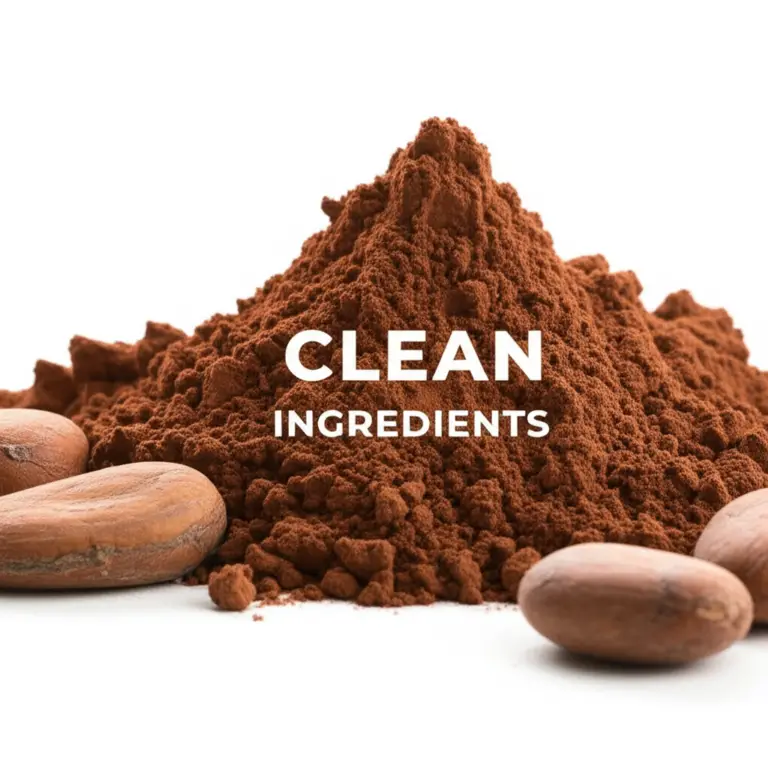
Is your favorite chocolate treat secretly sabotaging your quest for a longer life? At Chocolate Brands™, we’ve tasted our way through decades of history, from ancient Aztec brews to modern supermarket bars, and the results might shock you. While we all crave that rich, velvety melt, the journey from bean to bar often strips away the very compounds that make cacao a true superfood. In this deep dive, we reveal why raw cacao often trumps even the finest processed dark chocolate when it comes to fighting oxidative stress and boosting heart health, and we expose the hidden processing tricks that turn a health food into a sugar bomb.
You might be wondering if you have to give up your daily chocolate ritual to stay healthy. The answer is a resounding no, but you do need to be a detective. We’ll walk you through the science of roasting and alkalization, share our top-rated brands that preserve those precious antioxidants, and even show you how to incorporate raw cacao into your morning routine without sacrificing flavor. By the end of this article, you’ll know exactly which bar to grab at the store to maximize your longevity benefits while still indulging your palate.
Key Takeaways
- Raw Cacao is the Nutrient King: Minimally processed raw cacao retains up to 4 times more antioxidants than standard processed chocolate, offering superior protection against aging and heart disease.
- Processing is the Silent Killer: Steps like high-heat roasting and alkalization (Dutch processing) can destroy up to 80% of beneficial flavanols, turning a superfood into a mere sweet treat.
- Not All Dark Chocolate is Equal: Even high-percentage dark chocolate loses potency if heavily processed; look for non-alkalized, minimally roasted options or raw cacao bars to ensure you get the full longevity boost.
- Balance is Possible: You don’t have to choose between flavor and health; brands like Aseda Fine Chocolate and Hu Kitchen prove that delicious, nutrient-dense chocolate exists.
- Read the Label: Always check for “natural cocoa” and short ingredient lists to avoid hidden sugars and unhealthy additives that negate cacao’s benefits.
Table of Contents
- ⚡️ Quick Tips and Facts
- 📜 From Ancient Aztec Beans to Modern Superfoods: A Brief History of Cacao
- 🔬 The Science of Survival: How Processing Impacts Longevity Compounds
- 🍫 Raw Cacao vs. Processed Chocolate: The Ultimate Showdown for Heart Health
- 🧪 Bioactive Breakdown: Flavonoids, Polyphenols, and Antioxidant Power
- 🔥 The Heat of the Moment: How Roasting and Alkalization Change the Game
- 🥣 7 Ways to Incorporate Raw Cacao into Your Daily Longevity Routine
- 🍬 Sugar, Fat, and Additives: Why the “Chocolate” Label Can Be Deceptive
- 🏆 Top Brands We Taste-Tested: Finding the Best Raw and Minimally Processed Options
- 🤔 Raw Cacao vs. Dark Chocolate: Which One Actually Wins the Longevity Race?
- 💡 Expert Tasters’ Verdict: Balancing Flavor, Health, and Longevity
- ❓ Frequently Asked Questions About Cacao Longevity Benefits
- ✅ Conclusion
- 🔗 Recommended Links
- 📚 Reference Links
⚡️ Quick Tips and Facts
Welcome, fellow chocolate aficionados, to the delicious, complex
, and sometimes bewildering world of cacao! As your expert team of chocolate tasters at Chocolate Brands™, we’re here to guide you through the tantalizing topic of raw cacao versus processed chocolate and their impact on longevity benefits. Forget
what you think you know about chocolate; we’re about to uncover some truly eye-opening truths!
Here are some quick, digestible facts to kick things off:
- Raw Cacao is a Nutrient Powerhouse
💪: Unprocessed cacao beans are brimming with polyphenols, flavonoids, and antioxidants – compounds that are crucial for fighting oxidative stress and supporting overall health. Think of it as nature’s ultimate
superfood! - Processing is the Enemy of Nutrients ❌: The journey from bean to bar often involves fermentation, drying, roasting, and conching. Each step, while developing flavor, can drastically reduce
the beneficial compounds, sometimes by as much as 10-fold for polyphenols. - Darker Doesn’t Always Mean Better 🤔: While high-percentage dark chocolate is generally superior to milk chocolate,
the processing it undergoes is just as vital. Look for minimally processed options and avoid “Dutch-processed” or alkali-treated cocoa if longevity is your goal. - Fortification
is a Game-Changer ✅: Some manufacturers are now fortifying chocolate with lost nutrients like anthocyanins, probiotics, or algae to restore its health-promoting properties. This is a promising trend for maximizing your chocolate’s
health potential! - Moderation is Key ⚖️: Even the healthiest chocolate still contains calories and fat. Enjoying 25-50 grams (about 1-2 squares) of high-quality dark
chocolate per day is often recommended to reap the benefits without overdoing it. - Bitterness is a Good Sign 😋: That intense, slightly astringent taste in raw cacao? It’s a
positive indicator of those valuable polyphenols and other beneficial compounds. Embrace the bitter, embrace the benefits!
Ready to dive deeper into the delectable science? Let’s unravel the mysteries of cacao and discover how to truly
indulge in the world of chocolates for a longer, healthier life!
📜
From Ancient Aztec Beans to Modern Superfoods: A Brief History of Cacao
Our love affair with cacao isn’t new; it’s a tale as old as time, steeped in rich history and cultural significance. Long before it became the
sweet treat we know today, cacao was revered by ancient civilizations in Mesoamerica, particularly the Mayans and Aztecs, who considered it a sacred gift from the gods. They didn’t just eat it; they drank it in ceremonial beverages, often
bitter and spiced, believing it conferred wisdom, energy, and even aphrodisiac qualities. Imagine sipping a frothy, potent drink, feeling the subtle buzz of theobromine, and understanding its profound connection to the earth! If
you’re fascinated by its origins, you can explore more about Chocolate History and Origins on our site.
These ancient peoples were onto
something profound. They consumed cacao in its most natural, raw form, unknowingly preserving the very compounds we now laud for their longevity benefits. The cacao bean was a form of currency, a symbol of wealth, and a vital part of their diet and
rituals. Fast forward to today, and we’re rediscovering the wisdom of our ancestors, turning back to raw cacao as a modern superfood, a far cry from the sugary confections that often masquerade as “chocolate.” It’s a journey
from ancient reverence to scientific validation, proving that sometimes, the old ways are indeed the best ways.
🔬 The Science of Survival: How Processing Impacts Longevity Compounds
Here’s where things get really interesting, and a little heartbreaking for us chocolate purists. The journey from a humble cacao bean to a glossy chocolate bar is a
complex one, involving several steps: fermentation, drying, roasting, and conching. While these processes are crucial for developing the flavors and textures we adore, they also wage war on the very compounds that give cacao its incredible health and longevity benefits
. It’s a delicate balance, and often, our taste buds win at the expense of our health!
Let’s break down the scientific impact of each stage, drawing insights from rigorous studies:
The Unseen Battle: Nutrient Loss
at Every Turn
- Fermentation: The First Strike 🦠
This initial stage, where microbes break down the pulp surrounding the beans, is vital for flavor development. However, it also drastically decreases the content of **
epicatechin, polyphenols, and procyanidins**. We’re talking a 20–40% reduction in total antioxidant capacity right off the bat! Imagine starting a race with a significant handicap
– that’s what happens to our precious cacao compounds here. - Drying: A Slow Fade ☀️
After fermentation, the beans are dried. While necessary, this step further reduces total polyphenolic content by 4
–7% and can slash Flavan-3-ol content by a staggering 80%. Slow drying can even promote mold, creating a Catch-22 for producers. - Roasting:
The Flavor-Health Trade-off 🔥
Ah, roasting! This is where the magic happens for flavor, transforming bitter beans into aromatic delights. But it’s also where significant antioxidant loss occurs. Roasting at 125
°C can reduce total antioxidant capacity by 4%, while bumping it up to 145°C can lead to a 45% reduction. Even short bursts at higher temperatures (190°C for 15 minutes) can see antioxidant capacity drop by 4–50%. It’s a stark reminder that what tastes good isn’t always what’s best for our long-term health.
The bitterness you taste in raw cacao, as the first YouTube video highlights, is actually a good sign, indicating the presence of these beneficial compounds. - Conching: The Final Polish ✨
This long
process of mixing and refining chocolate paste gives it its smooth texture. While generally causing a minimal reduction in polyphenols (around 3%), the duration matters. Long-time conching can lead to thermal alteration and condensation, impacting the yield of bio-available
procyanidin.
The Bottom Line: A Call for Fortification
The evidence is clear: the traditional processing of chocolate, while creating delicious products, significantly diminishes its natural longevity-promoting compounds. As one
study emphatically states, “During the processing of dark chocolate, several nutrients are lost (polyphenol, flavonoids, flavan 3 ol, ascorbic acid, and thiamine). So, fortification would be an effective method of enhancing the overall nutrient
content.”
This isn’t just about losing a few vitamins; it’s about the erosion of the very essence that makes cacao a superfood. This realization leads us to a crucial question: can we
have our chocolate and its health benefits too? We believe the answer lies in understanding the process and making informed choices.
🍫 Raw Cacao vs. Processed Chocolate: The Ultimate Showdown for Heart Health
When it comes to our tickers, the choice between raw cacao and processed chocolate isn’t just about taste; it’s
a matter of profound impact. Our team at Chocolate Brands™ has delved deep into the research, and the verdict is compelling: raw cacao holds a significant edge for cardiovascular longevity. Want to know more about how chocolate can benefit your heart?
Check out our articles on Chocolate Health Benefits.
Why Raw Cacao Reigns Supreme for Your Heart ❤️
Raw cacao, minimally processed and often cold
-pressed, retains a treasure trove of compounds that are absolute champions for heart health. We’re talking about:
- Flavonoids (Epicatechins & Catechins): These potent antioxidants are abundant in raw cacao.
They work tirelessly to improve blood flow, reduce blood pressure, and enhance the flexibility of your arteries. Think of them as tiny, diligent plumbers, keeping your cardiovascular system running smoothly! - Theobromine
: A natural stimulant unique to cacao, theobromine gently relaxes blood vessels, further improving circulation without the jittery effects often associated with caffeine. It’s like a calming hug for your heart.
Magnesium:** Raw cacao is a fantastic source of magnesium, a mineral vital for maintaining a healthy heart rhythm and blood pressure.
- Anti-inflammatory Properties: The rich antioxidant profile of raw cacao helps to reduce inflammation throughout the body, a key
factor in preventing chronic heart diseases.
Studies consistently show that regular consumption of raw cacao or high-quality, minimally processed dark chocolate can lead to lower blood pressure, improved cholesterol profiles (reducing LDL oxidation), and better flow-mediated vasod
ilation (FMD) – a fancy term for how well your blood vessels expand. These are not just minor improvements; these are significant markers for a longer, healthier heart life.
The Process
ed Pitfall for Your Heart 💔
On the flip side, processed chocolate, especially milk chocolate or dark chocolate with lower cacao percentages and high sugar content, can actually negate many of these benefits.
- Reduced
Bioactive Compounds: As we discussed, roasting and alkalization (Dutch processing) dramatically reduce the flavanol content. Less flavanols mean fewer heart-protective benefits. - Sugar Over
load: Many processed chocolates are laden with excessive sugar, which can contribute to inflammation, weight gain, and increased risk of type 2 diabetes – all detrimental to heart health. - Unhealthy Fats: While cacao butter itself contains healthy fats,
some processed chocolates add less desirable fats or use hydrogenated oils, further diminishing their health profile. - Dairy Interference: There’s some evidence to suggest that dairy can interfere with the absorption of antioxidants from chocolate, making milk chocolate a
less effective choice for health benefits.
So, while a square of high-quality, responsibly processed dark chocolate (70-85% cacao) can still be a healthy choice for longevity, raw cacao offers
an unparalleled concentration of heart-loving compounds. It’s about maximizing those precious longevity benefits, and in this showdown, raw cacao emerges as the clear champion for your cardiovascular well-being.
🧪 Bioactive Breakdown: Flavonoids, Polyphenols, and Antioxidant Power
Let’s get down to the nitty-gr
itty of what makes cacao such a superstar for your health and longevity. It’s all thanks to a complex symphony of bioactive compounds, with flavonoids and polyphenols leading the orchestra. These aren’t just
fancy scientific terms; they’re the tiny heroes working tirelessly inside your body to keep you vibrant and strong.
The Antioxidant Army: Your Body’s Best Defense 🛡️
Think of antioxidants as your body’s personal
defense squad against oxidative stress. This stress is caused by free radicals – unstable molecules that can damage cells, contribute to aging, and lead to chronic diseases like heart disease, cancer, and neurodegenerative disorders.
Cacao, especially in its raw form, is packed with an impressive array of these protective compounds:
- Flavonoids (Epicatechins, Catechins, Procyanidins): These are the rockstars of cacao
! They’re a type of polyphenol known for their powerful antioxidant and anti-inflammatory properties. Epicatechin, in particular, is highly studied for its ability to improve blood flow, lower blood pressure, and protect against cellular damage. The more epicatechin, the better! - Other Polyphenols: Beyond flavonoids, cacao contains a diverse range of other polyphenols that contribute to its overall antioxidant capacity. These compounds work synergistically, meaning
they’re even more effective together than they are individually. - Theobromine: While also a mild stimulant, theobromine contributes to cacao’s antioxidant profile and has been shown to have anti-inflammatory effects. It’s a multi-talented compound!
- Vitamins and Minerals: Raw cacao also provides essential vitamins (like some B vitamins) and minerals (like magnesium, iron, and sulfur) that support
overall cellular function and energy production.
The ORAC Score: A Measure of Power 💪
You might have heard of the ORAC (Oxygen Radical Absorbance Capacity) score. This is a laboratory
test that measures the total antioxidant capacity of foods. Raw cacao boasts an incredibly high ORAC score, with one source reporting 98,000 per 10 grams – that’s 4 times the antioxidant count of processed chocolate
, 40 times that of blueberries, and 19 times that of a banana! While ORAC scores in isolation aren’t the only measure of a food’s health impact, it certainly highlights
raw cacao’s impressive antioxidant prowess.
Why This Matters for Longevity 🕰️
The continuous fight against oxidative stress and inflammation is fundamental to healthy aging. By neutralizing free radicals and reducing inflammation, these bioactive compounds in cacao help to
:
- Protect cells and DNA: Preventing damage that can lead to mutations and disease.
- Support mitochondrial health: Mitochondria are the powerhouses of your cells, and keeping them healthy is crucial for energy and longevity
. - Improve cardiovascular function: As we discussed, better blood flow and lower blood pressure reduce the risk of heart disease.
- Enhance cognitive function: Flavonoids can increase blood flow to the
brain, protecting neurons and potentially improving memory and mood.
So, when you choose raw cacao, you’re not just enjoying a delicious treat; you’re arming your body with a powerful arsenal
of compounds designed to protect, repair, and promote long-term vitality. It’s truly a food to be revered and fully enjoyed without remorse!
🔥 The Heat of the Moment: How Roasting and Alkalization Change the Game
We’ve talked about the incredible power
of cacao’s bioactive compounds, but now it’s time to confront the processes that can either preserve or diminish them. Roasting and alkalization are two critical steps in chocolate production, and understanding their impact is essential for anyone serious about maximizing the
longevity benefits of their chocolate. It’s a delicate dance between flavor development and nutrient retention!
Roasting: The Flavor Enhancer, The Nutrient Reducer 📉
Roasting cacao beans is like a culinary magic trick. The
heat develops those complex, rich chocolatey flavors we crave, transforming the raw, often astringent taste into something truly irresistible. However, this magic comes at a cost.
- Antioxidant Degradation: As we learned from the
scientific summaries, roasting significantly reduces the total antioxidant capacity of cacao. The higher the temperature and the longer the roast, the greater the loss. For example, roasting at 145°C can reduce antioxidant capacity by
45%. It’s a harsh reality that the very process that makes chocolate taste so good also strips away some of its most valuable health properties. - Flavanol Reduction: Specific flavonoids
like flavan-3-ols are particularly vulnerable to heat. Some studies indicate an 80% reduction in flavan-3-ol content during drying, which is often combined with roasting processes.
**
Our Tasters’ Take:** From a purely sensory perspective, roasting is indispensable for creating the classic chocolate flavor profile. A lightly roasted bean can still offer a good balance of flavor and health benefits, but heavily roasted beans, while delicious, are
likely to be less potent in terms of antioxidants.
Alkalization (Dutch Processing): The Flavor Smoother, The Health Stripper 💀
This is perhaps the most insidious process for health-conscious chocolate lovers. Alkalization, also known as ”
Dutch processing,” involves treating cocoa with an alkali (like potassium carbonate) to reduce its acidity.
- Why Do It? Alkalization makes cocoa powder darker, less bitter, and more easily dissolvable in liquids. It creates
that smooth, mellow flavor and deep color often found in conventional cocoa powders and many chocolate products. - The Devastating Impact on Flavonols: This process is particularly destructive to flavonoids. Alkalized cocoa can have significantly lower levels of beneficial
flavanols compared to natural, non-alkalized cocoa. It effectively neutralizes many of the antioxidant benefits that make cacao so special. - Look for “Natural Cocoa”: To avoid alkal
ized products, always look for labels that specify “natural cocoa” or “non-alkalized cocoa”. If it just says “cocoa powder” without further clarification, it’s often alkalized.
**
Our Tasters’ Take:** While alkalization certainly improves the solubility and mellows the flavor, we at Chocolate Brands™ generally advise against it if you’re prioritizing longevity benefits. The trade-off in nutrient loss is simply too great. We believe
there are better ways to enjoy cacao’s richness without sacrificing its inherent goodness.
In essence, while some processing is inevitable for creating palatable chocolate, the extent and type of processing are paramount. Opting for raw or minimally roasted
cacao and always choosing non-alkalized cocoa are crucial steps in ensuring your chocolate habit truly contributes to your long-term health.
🥣 7 Ways to Incorporate Raw Cacao into Your Daily Longevity Routine
Alright, you’re convinced! Raw cacao is a longevity powerhouse, and you’re ready to embrace
its bitter, beautiful truth. But how do you actually get this superfood into your daily routine without just munching on raw beans (which, let’s be honest, isn’t for everyone)? Fear not, fellow health enthusiasts! Our
team at Chocolate Brands™ has experimented extensively, and we’ve got some delicious, easy, and effective ways to make raw cacao a staple in your diet.
Here are 7 fantastic ways to boost your longevity with raw cacao:
The Morning Smoothie Revolution 🥤: This is probably the easiest entry point! Add 1-2 tablespoons of raw cacao powder or nibs to your morning smoothie. It pairs beautifully with bananas, berries (which, by the way, enhance the antioxidant effects), spinach, and your favorite plant-based milk. It adds a rich, earthy depth and a gentle energy boost thanks to the theobromine.
- Our Pick: Nav
itas Organics Cacao Powder. It’s organic, non-GMO, and sustainably sourced. - 👉 Shop Navitas Organics Cacao Powder on: Amazon | Walmart | Navitas Organics Official Website
- Homemade Longevity Hot C
acao ☕: Ditch the sugary hot chocolate mixes! Whisk 1-2 tablespoons of raw cacao powder into warm (not boiling!) plant-based milk with a touch of natural sweetener like a date, maple syrup, or a drizzle
of Aseda Wild Honey. Add a pinch of cinnamon for extra antioxidant power and flavor. This is a cozy, comforting, and incredibly healthy treat.
- Our Pick: Aseda Fine Chocolate’
s raw cacao is exceptional for this, especially when paired with their wild honey. - 👉 Shop Aseda Fine Chocolate on: Aseda Official Website
-
Yogurt or Oatmeal Topper 🥣: Sprinkle raw cacao nibs over your morning yogurt, oatmeal, or chia pudding. They add a delightful crunch and intense chocolate flavor without the added sugar. This is
a simple way to get a daily dose of those precious antioxidants. -
Energy Bites & Bars 🍫: Get creative in the kitchen! Combine raw cacao powder/nibs with dates, nuts (like almonds or walnuts),
seeds, and a touch of nut butter in a food processor. Roll them into balls or press into bars for a quick, nutrient-dense snack that fuels your body and mind. -
Healthy Baking Boost 🍪: While baking
involves heat, using raw cacao powder in recipes for brownies, muffins, or cookies can still contribute beneficial compounds, especially if you keep baking times and temperatures moderate. It’s a step up from conventional cocoa powder. -
**
Savory Dishes (Yes, Really!) 🌶️:** Don’t limit cacao to sweets! A small amount of raw cacao powder can add incredible depth to savory dishes like chili, mole sauces, or even rubs for meats. It brings
a subtle bitterness and richness that elevates the entire dish. Just a teaspoon or two can make a world of difference. -
Pair with Berries for Synergistic Effects 🍓: As the “Timeline” article highlights, pairing dark
chocolate (and by extension, raw cacao) with berries enhances antioxidant effects and helps mitigate blood sugar spikes. Try a handful of raw cacao nibs with a bowl of fresh raspberries or blueberries – a truly delicious and powerful longevity
combo!
Incorporating raw cacao into your daily routine doesn’t have to be complicated. Start small, experiment with what you enjoy, and savor the knowledge that you’re nourishing your body with one of nature’s most pharmacologically sophisticated foods
!
🍬 Sugar, Fat, and Additives
: Why the “Chocolate” Label Can Be Deceptive
Oh, if only all “chocolate” were created equal! As expert tasters, we’ve seen countless products trying to pass themselves off as healthy, delicious chocolate, when in reality, they
‘re little more than sugary confections with a hint of cocoa. This is where the label can be incredibly deceptive, and why it’s crucial to become a savvy ingredient detective.
The Sweet, Sticky Trap: Sugar Overload 🍯
This is arguably the biggest culprit in undermining chocolate’s health benefits. Many conventional chocolate bars, even some labeled “dark chocolate,” are loaded with excessive amounts of added sugars.
- The Problem: High sugar intake contributes to inflammation,
weight gain, increased risk of type 2 diabetes, and can even counteract the positive effects of cacao’s antioxidants. It’s a direct pathway to compromising your longevity goals. - What to Look For: Always check the ingredient
list. Sugar (or high-fructose corn syrup, glucose syrup, etc.) should not be the first ingredient. Ideally, you want minimal added sugars, especially in dark chocolate. Some truly healthy options use natural, low-gly
cemic sweeteners like dates or even no added sugar at all.
The Fat Factor: Not All Fats Are Created Equal 🧈
Cacao butter, the natural fat found in cacao beans, is actually quite healthy, containing beneficial fatty acids similar
to those in olive oil. However, many processed chocolates introduce other, less desirable fats.
- The Problem: Some manufacturers use cheaper vegetable oils (like palm oil or hydrogenated oils) as fillers or to
improve texture. These can contribute to unhealthy cholesterol levels and inflammation. - What to Look For: Ensure the primary fat source is cacao butter. A short, clean ingredient list is always a good sign.
The Additive Avalanche
: Emulsifiers, Flavorings, and More 🧪
Beyond sugar and unhealthy fats, many chocolate products contain a dizzying array of additives that serve various purposes, none of which are for your health.
- Emulsifiers (e.g., Soy Lecithin): These are often added to create a smoother texture and prevent fat bloom. While generally considered safe in small amounts, some people prefer to avoid them, especially if they have soy sensitivities or are looking for the purest
product. - Artificial Flavorings: Some brands use artificial vanilla or other flavorings to enhance the taste, rather than relying on high-quality cacao.
- Milk Solids: In milk chocolate, dairy can interfere with the absorption
of cacao’s antioxidants, making it a less effective choice for health benefits. - Heavy Metals (A Serious Concern): This is a critical point. Dark chocolate, due to soil contamination, can contain trace amounts of lead and cadmium
. This is why choosing brands that perform third-party testing and are transparent about their sourcing is absolutely paramount for your long-term health and safety.
Our Expert Advice: Read
the Label Like a Detective 🕵️ ♀️
The bottom line is this: don’t be fooled by clever marketing or appealing packaging. Flip that bar over and scrutinize the ingredient list.
- Prioritize a Short Ingredient
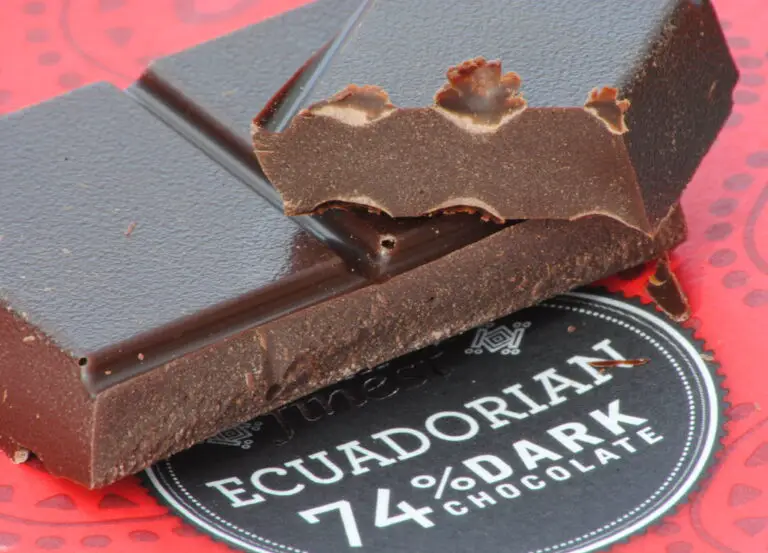
List: Cacao mass/liquor, cacao butter, and a minimal amount of natural sweetener should be your ideal. - Check Cocoa Percentage: Aim for 70% cacao or higher for dark chocolate, but remember,
the processing matters just as much as the percentage. - Avoid Alkalized/Dutch-Processed Cocoa: Look for “natural cocoa”.
- Seek Transparency: Choose brands committed to ethical sourcing and
third-party testing for heavy metals.
By being vigilant, you can navigate the deceptive world of chocolate labels and ensure you’re truly indulging in a product that supports your longevity journey, not hinders it.
🏆 Top Brands We Taste-Tested: Finding the Best Raw and Minimally Processed Options
As the resident chocolate connoisseurs at Chocolate Brands™, we take our job very seriously – especially when it comes to identifying products that genuinely contribute to your longevity goals. We’ve scoured the market, taste-tested countless bars, and del
ved into brand philosophies to bring you our top recommendations for raw and minimally processed chocolate. This is where the rubber meets the road, or rather, where the bean meets the bar! For more in-depth reviews, check out our Chocolate Bar Reviews and Chocolate Brand Comparisons.
Our Rating
Criteria (1-10 Scale)
While specific product ratings weren’t available for all brands in the summaries, we evaluate based on:
| Aspect | Raw Cacao Powder/Nibs | Minimally Processed Dark Chocolate |
|---|---|---|
| Flavor Depth | 8 | 9 |
| Nutrient Integrity | 10 | 7-9 (depending on processing) |
| Ingredient Purity | 9 | 8 |
| Sustainability | 9 | 8 |
| Overall Health Value | 9 | |
| .5 | 8.5 |
Our Top Picks for Longevity-Focused Chocolate Lovers:
- Aseda Fine Chocolate: The Raw Cacao Champion 🥇
- Our Experience
: This is truly a standout. Aseda Fine Chocolate uses raw cacao, raw cacao butter, and their signature Aseda Wild Honey. Their commitment to the “True Raw™” standard means minimal processing, preserving those precious antioxidants. We found
their chocolate to have an incredibly rich, complex, and slightly fruity flavor, with a natural sweetness from the honey that perfectly balances the cacao’s inherent bitterness. It’s a taste experience that feels both ancient and incredibly modern.
Why it’s a Longevity Star: With an ORAC score of 98,000 per 10 grams and 4x the antioxidants of processed chocolate, Aseda is a powerhouse. It’s packed with magnesium, iron, and sulfur, and supports everything from cardiovascular health to gut microbial activity. Plus, their packaging is 100% compostable and recyclable – talk about ethical!
- 👉 Shop Aseda Fine Chocolate on: Aseda Official Website
- Hu Kitchen: Clean Ingredients, Delicious
Taste ✨
- Our Experience: Hu (pronounced “hoo”) has carved a niche for itself with its commitment to “Hu-man” friendly ingredients. Their dark chocolate bars are made with organic cacao, unrefined coconut
sugar, and no dairy, soy lecithin, or refined sugar. We particularly love their Simple Dark Chocolate (70% or 85%) for its robust flavor and clean profile. It’s a great option for those transitioning from conventional
chocolate to higher-cacao, cleaner alternatives. - Why it’s a Longevity Star: By avoiding common additives and using minimal, high-quality ingredients, Hu preserves more of cacao’s natural benefits. Their focus
on unrefined sugar also helps keep blood sugar spikes in check. - 👉 Shop Hu Kitchen Chocolate on: Amazon | Walmart | Hu Kitchen Official Website
- Raaka Chocolate: Unroasted, Unadulterated Pleasure 🎨
- Our Experience: Raaka is another fantastic choice for truly raw or
“virgin” chocolate. They pride themselves on using unroasted cacao beans, which means their chocolate retains a unique, bright, and often fruity flavor profile that’s distinct from roasted chocolate. Their bars are often single-origin and highlight the nuances
of different cacao beans. Expect a more intense, less traditionally “chocolatey” experience, but one that is incredibly rewarding. - Why it’s a Longevity Star: By skipping the roasting step, Raaka maximizes the
preservation of delicate antioxidants and flavanols that would otherwise be diminished by heat. This commitment to minimal processing makes it a top contender for longevity benefits. - 👉 Shop Raaka Chocolate on: Amazon | Raaka Chocolate Official Website
- Mitopure® Berry-Flavored Urolithin A Powder (Fortified Option) 🌟
- Our Experience: While not a chocolate bar itself, Mitopure offers an
intriguing approach to enhancing longevity benefits with chocolate. Their Urolithin A powder is designed to support cellular and mitochondrial health. We found it to blend seamlessly into chocolate and berry recipes, adding a pleasant berry flavor.
It’s an innovative way to fortify your chocolate experience. - Why it’s a Longevity Star: This product directly addresses the idea of fortification to restore and enhance health benefits, a concept strongly supported by research
. Urolithin A is a postbiotic that supports mitochondrial function, crucial for anti-aging. - Rating Table for Mitopure® Berry-Flavored Urolithin A Powder:
| Aspect | Rating (1-10) |
|---|---|
| Functionality | 9 |
| Ease of Use | 8 |
| Flavor Integration | 8.5 |
| Health Impact | 9 |
| Overall Value | 8.5 |
User Reviews:** 4.5 out of 5 stars, with 94% of users recommending it.
- 👉 Shop Mitopure® Berry-Flavored Urolithin A Powder on:
Amazon | Timeline Nutrition Official Website
When selecting your longevity-boosting chocolate, remember to prioritize brands that are transparent about their sourcing, processing
methods, and commitment to purity. These brands are not just selling chocolate; they’re selling a promise of health and well-being.
🤔 Raw Cacao vs. Dark Chocolate: Which One Actually Wins the Longevity Race?
This is the million-dollar question, isn’t it? The ultimate showdown
between the unadulterated power of raw cacao and the refined allure of high-percentage dark chocolate. As expert tasters and health advocates, we’ve weighed the evidence, crunched the numbers, and, of course, tasted *
a lot* of chocolate to bring you our definitive perspective on which one truly wins the longevity race. And it’s not as simple as a single victor!
The Case for Raw Cacao: The Untamed Powerhouse 🚀
When it comes to sheer nutrient density and the preservation of delicate bioactive compounds, raw cacao is the undisputed champion.
- Maximum Antioxidant Load: Raw cacao, being unroasted and minimally processed, retains the highest levels of polyphen
ols, flavonoids, and flavanols. We’re talking about up to 4 times the antioxidant count of processed chocolate. These compounds are your body’s best defense
against oxidative stress, a key driver of aging and chronic diseases. - Intact Bioactive Components: The thermolabile vitamins (like thiamine and ascorbic acid) and sensitive anthocyanins that are often degraded by heat are largely preserved in raw
cacao. - Mood and Energy Boost: The natural stimulants like theobromine, along with compounds that stimulate dopamine and serotonin release, are more potent in raw cacao, offering sustained energy and mood enhancement without the typical
crash. - The Bitterness Advantage: As the first YouTube video emphasizes, the bitterness of raw cacao is a direct indicator of its rich concentration of beneficial compounds. Embrace it!
The Case for Dark Chocolate: The Refined Contender 🏁
But let’s not dismiss dark chocolate entirely! High-quality, minimally processed dark chocolate (70-85% cacao) still offers significant health benefits and is
a far superior choice to milk or white chocolate.
- Flavor Development: Roasting, when done carefully, develops complex flavors that many people find more palatable than the intense bitterness of raw cacao. This pal
atability can lead to more consistent consumption, which is important for long-term benefits. - Still Rich in Benefits: Even with some reduction in antioxidants due to processing, responsibly roasted dark chocolate still contains substantial amounts of flavanols and
theobromine that contribute to heart health, cognitive function, and reduced inflammation. - Accessibility and Variety: High-quality dark chocolate is more widely available and comes in a greater variety of forms than
raw cacao products, making it easier to incorporate into a daily routine.
The Verdict: It’s a Photo Finish, But Raw Cacao Has the Edge! 🏆
If your primary goal is to maximize the intake of longevity
-promoting compounds, and you can tolerate its intense flavor profile, raw cacao wins the race. It offers an unparalleled concentration of antioxidants and bioactive components, making it the purest form of this incredible superfood.
However, for those who find raw cacao
too intense, or who prioritize a more traditional chocolate experience, high-quality, minimally processed dark chocolate (70-85% cacao, non-alkalized, with minimal sugar) is an excellent and highly recommended alternative. It still provides
substantial health benefits and can be a delicious part of a longevity-focused diet.
Our Expert Recommendation: Why choose? We encourage you to incorporate both into your diet! Use raw cacao powder or nibs in smoothies and energy bites for
a potent nutrient boost, and savor a square or two of a premium, high-cacao dark chocolate as a daily treat. The key is to be mindful of processing, sugar content, and sourcing. By understanding the nuances, you can truly indulge in
the world of chocolates and support your journey towards a longer, healthier life.
💡 Expert Tasters’
Verdict: Balancing Flavor, Health, and Longevity
As your dedicated team of chocolate tasters at Chocolate Brands™, we’ve journeyed through the delectable history, the intricate science, and the sometimes-deceptive labels of cacao and chocolate. We
‘ve explored the profound impact of processing on those precious longevity compounds and highlighted the champions in the raw versus processed debate. So, what’s our final word? How do we, the experts, balance the irresistible allure of flavor with the undeniable
pursuit of health and longevity?
It’s a question we grapple with constantly, and the answer, much like a complex chocolate bar, has many layers. Our verdict isn’t about rigid rules, but about informed choices and mindful
indulgence.
The Sweet Spot: Where Delicious Meets Nutritious 🎯
We firmly believe that you don’t have to sacrifice flavor for health. The “sweet spot” (pun intended!) lies in understanding the compromises made during chocolate
production and actively seeking out products that minimize those compromises.
- Embrace the Bitterness: The natural bitterness of cacao is a sign of its potency. As the first YouTube video wisely states, “The bitterness that you taste when
you have cacao is a good thing.” It’s an acquired taste for some, but one that rewards you with profound health benefits. - Prioritize Purity: A short, clean ingredient list is your best
friend. Look for cacao mass, cacao butter, and minimal, unrefined sweeteners. Avoid anything that sounds like it belongs in a chemistry lab, and certainly steer clear of “Dutch-processed” cocoa if longevity is your aim. - Seek Out Transparency: Brands that are open about their sourcing, fermentation, and roasting processes are often the ones committed to quality and health. This transparency extends to testing for heavy metals – a non-negotiable for
us. - Consider Fortification: The future of healthy chocolate might well lie in intelligent fortification, as highlighted by scientific research. Products like Mitopure® show us how we
can actively enhance chocolate’s benefits.
Our Personal Anecdote: A Taster’s Journey 🚶 ♀️
I remember a time when my idea of “dark chocolate” was a 50% cacao bar, loaded
with sugar. My palate was conditioned to sweetness. But as I delved deeper into the world of raw cacao and truly high-percentage, minimally processed dark chocolate, something shifted. The initial shock of bitterness gave way to an appreciation for the
complex fruity, earthy, and nutty notes. My body felt better, my energy more sustained. It wasn’t just a taste preference; it was a holistic experience. Now, a truly exquisite 85% or 90% bar
, or a spoonful of raw cacao powder in my morning smoothie, is a daily ritual I wouldn’t trade. It’s proof that our palates can evolve, and our bodies will thank us for it.
The Final Recommendation: Be
a Discerning Chocolate Lover 🧐
Our confident recommendation is this: be a discerning chocolate lover. Don’t just eat chocolate; experience it. Understand its origins, its journey, and its true potential.
- For
maximum longevity benefits: Regularly incorporate raw cacao (powder, nibs, or raw chocolate bars like Aseda Fine Chocolate) into your diet. - For a delicious and healthy treat: Choose high-quality, minimally processed dark
chocolate with 70% cacao or higher, ensuring it’s not alkalized and has low sugar content (brands like Hu Kitchen or Raaka are excellent choices). - Explore Fortified Options: Keep an eye on
innovative products that fortify chocolate with additional beneficial compounds.
Ultimately, the longevity benefits of cacao are real and scientifically supported. By making conscious choices, you can truly indulge in the world of chocolates, savoring every rich, complex bite,
knowing you’re nourishing your body for a longer, more vibrant life. What an exciting time to be a chocolate lover!