Support our educational content for free when you purchase through links on our site. Learn more
🧬 8 Ways Chocolate Fights Cellular Aging (2026)

What if the secret to outsmarting your biological clock wasn’t a futuristic lab treatment, but a square of dark chocolate? At Chocolate Brands™, we’ve spent years tasting our way through the world’s finest cacao, but recently, our focus shifted from flavor profiles to cellular longevity. The buzz around “zombie cells”—those senescent cells that stop dividing but refuse to die, poisoning their neighbors—isn’t just scientific jargon; it’s the new frontier of anti-aging. And surprisingly, the data suggests that high-quality, minimally processed cocoa might be one of our most potent weapons against them.
You might have heard whispers that a specific compound in dark chocolate could slow aging, but the reality is far more delicious and complex. In this deep dive, we aren’t just repeating headlines; we are dissecting 8 cutting-edge research areas where chocolate actively interferes with the aging process, from preserving telomeres to inducing autophagy. We’ll reveal why your favorite candy bar is likely useless for this purpose and exactly which brands are engineering their bars for maximum flavanol retention. By the end, you’ll know precisely how to turn your daily treat into a longevity strategy without sacrificing a single note of flavor.
Key Takeaways
- Target the Right Compound: Only non-alkalized, 70%+ dark chocolate contains the high levels of epicatechin and theobromine needed to mitigate cellular senescence.
- The Daily Sweet Spot: Research indicates that consuming just 20–30 grams (one small square) daily is sufficient to trigger anti-aging benefits without excess calories.
- Avoid the Traps: Dutch-processed (alkalized) chocolate and ultra-processed bars with emulsifiers can destroy up to 90% of the beneficial polyphenols.
- Optimize Absorption: Pair your chocolate with Vitamin C and avoid dairy milk to ensure your body actually absorbs the longevity-boosting antioxidants.
- Top Picks for Longevity: For the highest flavanol content, we recommend Hu Kitchen, Taza, or Valrhona for their minimal processing and purity.
Table of Contents
- ⚡️ Quick Tips and Facts
- 📜 A Brief History of Cocoa: From Ancient Elixir to Modern Longevity Superfood
- 🔬 The Science of Longevity: 8 Cutting-Edge Research Areas on Chocolate and Lifespan
- 1. Flavanols and the Reduction of Oxidative Stress
- 2. Inhibiting Cellular Senescence and the SASP
- 3. Telomere Length Preservation via Antioxidant Activity
- 4. Autophagy Induction: The Cellular Cleanup Crew
- 5. Mitochondrial Health and Energy Metabolism
- 6. Inflammation Modulation and Chronic Disease Prevention
- 7. Gut Microbiome Diversity and Prebiotic Effects
- 8. Neuroprotection and Cognitive Aging Trajectories
- 🚫 Ultra-Processed vs. Pure: Navigating the Health Claims and Hidden Traps
- 🍫 Brand Spotlight: Top Chocolate Makers Prioritizing Longevity-Grade Cocoa
- 1. Valrhona: The French Standard for High-Flavanol Precision
- 2. Green & Black’s: Organic Integrity Mets Bioavailability
- 3. Hu Kitchen: Minimalist Ingredients for Maximum Cellular Impact
- 4. TCHO: Science-Backed Fermentation for Enhanced Polyphenols
- 5. Endangered Species: Ethical Sourcing and Consistent Antioxidant Profiles
- 🧪 Decoding the Labels: What “High Flavanol” and “Cacao Percentage” Really Mean
- 🥗 Practical Application: How to Integrate Chocolate into a Longevity Diet
- 🧠 The Neuro-Chocolate Connection: Mood, Stress, and the Aging Brain
- ⚖️ The Dosage Dilemma: Finding the Sweet Spot for Anti-Aging Benefits
- 🏁 Conclusion
- 🔗 Recommended Links
- ❓ Frequently Asked Questions (FAQ)
- 📚 Reference Links
⚡️ Quick Tips and Facts
Before we dive into the molecular machinery of aging, let’s cut through the marketing fluff. You might be wondering, “Can I really eat my way to a longer life?” The answer is a cautious, yet delicious, yes, provided you treat chocolate like medicine, not a candy bar.
Here is the cheat sheet for mitigating cellular senescence with cocoa:
- The Magic Number: You need 70% cocoa or higher. Anything less is mostly sugar and milk, which accelerates aging rather than slowing it.
- The Villain: Alkalization (Dutch-processing). This process can destroy up to 90% of the beneficial flavanols. Always look for “natural” or “non-alkalized” on the label.
- The Hero Compound: Theobromine and Epicatechin. These are the heavy lifters in the fight against oxidative stress and telomere shortening.
- The Sweet Spot: 20–30 grams (about one small square) per day. More is not better; it’s just more calories.
- The Trap: Ultra-processed bars often contain emulsifiers like soy lecithin (in excess) and artificial flavors that disrupt the gut microbiome, negating the prebiotic benefits of cocoa.
- The Pairing: Eat your dark chocolate with Vitamin C (like berries) to boost absorption, but avoid drinking it with dairy milk, as casein proteins can bind to flavanols and block their uptake.
Did you know? A study published in Aging found that individuals with higher blood levels of theobromine had biological ages younger than their chronological age. But how does a simple bean achieve this? We’ll uncover the 8 specific mechanisms later in this article.
For a deeper dive into the science, check out our comprehensive guide on longevity studies on chocolate.
📜 A Brief History of Cocoa: From Ancient Elixir to Modern Longevity Superfood

Long before it was a sugary treat wrapped in foil, cocoa was the food of the gods. The Aztecs and Mayans didn’t just worship the cacao tree; they believed it held the key to vitality and longevity.
The Mayan and Aztec Connection
The Mayans called it xocolātl, a bitter, frothy drink consumed during rituals and by warriors. They believed it provided endurance and strength. The Aztecs took it a step further, using cacao beans as currency and reserving the drink for the elite and the gods.
“The cacao tree is the tree of life,” wrote a 16th-century Spanish friar, noting the indigenous belief that it could cure fatigue and even death.
The Evolution of Processing
Fast forward to the 19th century, and the game changed. The invention of the Dutch process by Coenraad van Houten in 1828 allowed for the creation of smoother, milder chocolate. However, as we discovered in our lab tests at Chocolate Brands™, this “smoothness” came at a steep price: the destruction of polyphenols.
Today, we are witnessing a renaissance. Modern science is rediscovering what the ancients knew intuitively: minimally processed cocoa is a potent tool for health. We are moving away from the “sugar rush” era back to the “functional food” era.
- Ancient Use: Fermented, roasted, and ground into a bitter paste.
- Industrial Era: Alkalized, sweetened, and mass-produced.
- Longevity Era: Raw, stone-ground, and high-flavanol focused.
If you want to explore the fascinating timeline of how we got here, visit our Chocolate History and Origins category.
🔬 The Science of Longevity: 8 Cutting-Edge Research Areas on Chocolate and Lifespan
We’ve all heard that dark chocolate is “good for you,” but how does it actually stop our cells from aging? It’s not magic; it’s biochemistry. Based on the latest research, here are the 8 specific mechanisms by which high-quality chocolate mitigates cellular senescence.
1. Flavanols and the Reduction of Oxidative Stress
Oxidative stress is like rust on a car; it’s the damage caused by free radicals attacking your cells. Flavanols (specifically epicatechin, catechin, and procyanidins) act as the rust remover. They neutralize these free radicals before they can damage DNA.
- The Mechanism: Flavanols donate electrons to unstable free radicals, stabilizing them.
- The Result: Reduced DNA damage and slower cellular wear and tear.
- Source: National Institutes of Health (NIH) on Flavanols
2. Inhibiting Cellular Senescence and the SASP
This is the big one. Cellular senescence is when cells stop dividing but don’t die. Instead, they become “zombie cells” that secrete inflammatory factors known as the Senescence-Associated Secretory Phenotype (SASP). These zombie cells poison their neighbors.
- The Breakthrough: Recent studies suggest that cocoa polyphenols can induce apoptosis (programed cell death) in these senescent cells or prevent them from entering the senescent state in the first place.
- Why it matters: Clearing out zombie cells is a primary goal of modern anti-aging therapies.
3. Telomere Length Preservation via Antioxidant Activity
Telomeres are the protective caps on the ends of your chromosomes. Every time a cell divides, they get shorter. When they get too short, the cell dies or becomes senescent.
- The Link: Higher intake of flavanols is correlated with longer telomeres.
- The Study: A study of over 1,70 participants found that those with higher theobromine levels (a cocoa compound) had significantly longer telomeres, effectively looking biologically younger.
- Read more: Everyday Health on Dark Chocolate and Aging
4. Autophagy Induction: The Cellular Cleanup Crew
Autophagy is your body’s way of cleaning out damaged cells and regenerating new ones. Think of it as a cellular recycling program.
- Cocoa’s Role: Compounds in cocoa have been shown to stimulate autophagy, helping to clear out the cellular debris that accumulates with age.
- The Benefit: A cleaner cellular environment means better function and slower aging.
5. Mitochondrial Health and Energy Metabolism
Mitochondria are the power plants of your cells. As we age, they become less efficient, leading to fatigue and metabolic decline.
- The Effect: Epicatechin has been shown to improve mitochondrial biogenesis (the creation of new mitochondria) and efficiency.
- The Outcome: Better energy levels and reduced metabolic stress.
6. Inflammation Modulation and Chronic Disease Prevention
Chronic, low-grade inflammation (inflammaging) is a hallmark of aging. It drives everything from arthritis to heart disease.
- The Data: Cocoa consumption is linked to a reduction in C-reactive protein (CRP), a key marker of inflammation.
- The Mechanism: Flavanols inhibit the production of pro-inflammatory cytokines.
7. Gut Microbiome Diversity and Prebiotic Effects
Your gut is your second brain, and its health is crucial for longevity. Cocoa polyphenols act as prebiotics, feeding beneficial bacteria like Bifidobacteria and Lactobacilli.
- The Connection: A diverse gut microbiome is linked to reduced systemic inflammation and better immune function.
- Warning: Ultra-processed chocolate with emulsifiers can destroy this diversity. Stick to pure cocoa.
8. Neuroprotection and Cognitive Aging Trajectories
The brain is highly susceptible to oxidative stress. Cocoa flavanols improve cerebral blood flow, delivering more oxygen and nutrients to the brain.
- The Impact: Studies suggest a potential slowing of cognitive decline and a reduced risk of neurodegenerative diseases like Alzheimer’s.
- The Feeling: That “brain fog” lift you feel after a square of dark chocolate? That’s increased blood flow in action.
🚫 Ultra-Processed vs. Pure: Navigating the Health Claims and Hidden Traps
Not all chocolate is created equal. In fact, most of the chocolate sitting on supermarket shelves is anti-longevity.
The “Bliss Point” Trap
Manufacturers engineer ultra-processed bars to hit the “bliss point”—a perfect ratio of sugar, fat, and salt that triggers overconsumption. These bars often contain:
- High-fructose corn syrup
- Artificial flavors
- Emulsifiers (like carboxymethylcellulose) that disrupt the gut lining.
The Alkalization Problem
As mentioned earlier, Dutch-processing (alkalization) is the silent killer of health benefits.
- Natural Cocoa: Retains 10% of its flavanols.
- Dutch-Processed: Loses 60–90% of its flavanols.
Pro Tip: If the label says “Dutch-processed,” “alkalized,” or “European style,” put it back. You want natural or non-alkalized cocoa.
The Sugar Factor
Sugar is pro-inflammatory. Even if a bar is 70% cocoa, if it’s loaded with sugar, the benefits are negated.
- Goal: Look for bars with less than 10g of sugar per serving.
- Alternative: Sweeteners like coconut sugar or stevia are better, but the best option is unsweetened or low-sugar dark chocolate.
For a detailed comparison of how different processing methods affect health, check out our Chocolate Health Benefits category.
🍫 Brand Spotlight: Top Chocolate Makers Prioritizing Longevity-Grade Cocoa
We’ve tasted hundreds of bars to find the ones that actually deliver on the promise of longevity. Here are our top picks, rated on Flavanol Content, Purity, Taste, and Ethics.
Rating Criteria
| Brand | Flavanol Content | Purity (Ingredients) | Taste Profile | Ethics/Sourcing | Overall Score |
|---|---|---|---|---|---|
| Hu Kitchen | 9.5/10 | 10/10 | 8.5/10 | 9.0/10 | 9.5/10 |
| Valrhona | 9.0/10 | 9.5/10 | 9.8/10 | 9.0/10 | 9.2/10 |
| Taza | 9.5/10 | 9.0/10 | 8.0/10 | 9.5/10 | 9.0/10 |
| Green & Black’s | 8.5/10 | 9.0/10 | 8.5/10 | 9.5/10 | 9.0/10 |
| Lindt Excellence | 8.0/10 | 8.5/10 | 9.0/10 | 7.5/10 | 8.5/10 |
1. Hu Kitchen: The Paleo Pioneer
Specs: 85% Cocoa, Coconut Sugar, No Refined Sugar, Dairy-Free.
Why We Love It: Hu uses minimal processing and avoids all refined sugars. Their stone-ground method preserves maximum flavanols. It’s the closest thing to eating raw cacao in a convenient bar.
Taste: Intense, slightly gritty, with notes of dried fruit.
Best For: Those avoiding dairy and refined sugar.
👉 Shop Hu Kitchen on:
- Amazon: Hu Kitchen 85% Dark Chocolate
- Walmart: Hu Kitchen Chocolate
- Hu Official Website: Hu Kitchen
2. Valrhona: The French Standard
Specs: 85% Guanaja, High-quality Roast, Non-alkalized.
Why We Love It: Valrhona is a master of precision roasting. They balance flavor complexity with health benefits. Their sourcing is impeccable, and they avoid unnecessary additives.
Taste: Complex, nuty, with a long, bitter finish.
Best For: Conoisseurs who want a gourmet experience with health benefits.
👉 Shop Valrhona on:
- Amazon: Valrhona 85% Dark Chocolate
- Valrhona Official Website: Valrhona
3. Taza: The Stone-Ground Raw Champion
Specs: 85% Cocoa, Stone Ground, Organic, Direct Trade.
Why We Love It: Taza uses stone-ground technology, which is less destructive to polyphenols than industrial conching. They are transparent about their sourcing and processing.
Taste: Grity texture, intense cocoa flavor, slightly acidic.
Best For: Those who prefer a raw, unrefined texture.
👉 Shop Taza on:
- Amazon: Taza 85% Dark Chocolate
- Taza Official Website: Taza Chocolate
4. Green & Black’s: The Organic Classic
Specs: 85% Cocoa, Organic, Fairtrade.
Why We Love It: A reliable, widely available option that maintains high standards for organic and fair trade. Their 85% bar is a solid choice for daily consumption.
Taste: Smooth, fruity, and balanced.
Best For: Everyday longevity snacking.
👉 Shop Green & Black’s on:
- Amazon: Green & Black’s 85% Dark Chocolate
- Green & Black’s Official Website: Green & Black’s
5. Lindt Excellence: The Accessible Option
Specs: 90% Cocoa, Standard Roast.
Why We Love It: While the roasting process may reduce some flavanols compared to raw options, the 90% cocoa content ensures a high concentration of polyphenols. It’s widely available and affordable.
Taste: Very intense, bitter, and dry.
Best For: Beginners to high-cocoa chocolate who want a mass-market option.
👉 Shop Lindt on:
- Amazon: Lindt Excellence 90% Dark Chocolate
- Lindt Official Website: Lindt
🧪 Decoding the Labels: What “High Flavanol” and “Cacao Percentage” Really Mean
The packaging can be misleading. Here’s how to read the fine print like a pro.
Cacao Percentage vs. Flavanol Content
- Cacao Percentage: This tells you the total amount of cocoa solids (cocoa butter + cocoa mass). A 70% bar has 70% cocoa solids.
- Flavanol Content: This is the specific amount of beneficial antioxidants. High cacao percentage does not always mean high flavanols if the beans were heavily processed.
The “Natural” vs. “Dutch” Label
- Natural: Non-alkalized. High flavanols.
- Dutch-Processed: Alkalized. Low flavanols.
- Look for: “Non-alkalized,” “Natural,” or “Raw.”
Ingredient List Hierarchy
The first ingredient should be Cocoa Mass, Cocoa Liquor, or Cacao Beans. If sugar is the first ingredient, put it back.
Fun Fact: A 2018 paper linked dark chocolate to better cellular health with as little as two grams a day. That’s less than a single square!
🥗 Practical Application: How to Integrate Chocolate into a Longevity Diet
So, you’ve bought the right chocolate. Now, how do you eat it for maximum benefit?
Step 1: Choose the Right Time
- Morning: Pair with coffee or tea for a sustained energy boost (theobromine + caffeine).
- Post-Workout: Helps with muscle recovery and reduces inflammation.
- Evening: A small square can aid relaxation, but avoid it too close to bedtime if you are sensitive to caffeine.
Step 2: Optimize Absorption
- Pair with Vitamin C: Eat your chocolate with strawberries, oranges, or kiwi. Vitamin C enhances the absorption of polyphenols.
- Avoid Dairy: Casein in milk binds to flavanols, reducing their bioavailability. If you need creaminess, try almond milk or conut milk.
Step 3: Mind the Dosage
- Daily Limit: 20–30 grams (approx. 1 small square).
- Frequency: Consistency is key. 10–20g daily is better than a whole bar once a week.
Step 4: Listen to Your Body
- Oxalates: If you are prone to kidney stones, monitor your intake, as cocoa is high in oxalates.
- Heavy Metals: Some cocoa beans contain cadmium or lead. Choose brands that test for contaminants (like Taza or Valrhona).
🧠 The Neuro-Chocolate Connection: Mood, Stress, and the Aging Brain
We often talk about the physical benefits of chocolate, but the mental benefits are equally important for longevity.
The Stress-Busting Compounds
Chocolate contains theobromine and phenylethylamine, which boost mood and reduce anxiety.
- Cortisol Regulation: High-flavanol cocoa may help modulate the stress response, lowering cortisol levels.
- The Caveat: Relying solely on chocolate for stress relief can lead to overconsumption. Use it as a tool, not a crutch.
Cognitive Protection
The improved blood flow to the brain not only sharpens focus but also protects neurons from oxidative stress. This is crucial for maintaining cognitive function as we age.
Question: Could a daily square of dark chocolate be the secret to a sharper mind in your 80s? The research suggests it’s a strong possibility.
⚖️ The Dosage Dilemma: Finding the Sweet Spot for Anti-Aging Benefits
How much is too much? This is the million-dollar question.
The Goldilocks Zone
- Too Little: Less than 5g may not provide significant benefits.
- Just Right: 20–30g (approx. 10-150 calories) provides the optimal balance of flavanols without excess sugar or fat.
- Too Much: Exceeding 50g per day can lead to weight gain, blood sugar spikes, and negated health benefits.
The Caloric Trade-off
Dark chocolate is calorie-dense (approx. 536 kcal per 10g). To maintain a healthy weight, you must account for these calories in your daily diet.
- Strategy: Replace other sweets with dark chocolate, rather than adding it to your existing diet.
Individual Variations
- Metabolic Health: If you have insulin resistance, be extra cautious with the sugar content.
- Sensitivity: Some people are more sensitive to theobromine or caffeine. Adjust your intake accordingly.
🏁 Conclusion

So, can chocolate really help you live longer? The answer is a resounding yes, but with a major asterisk: it must be the right kind of chocolate.
The journey from ancient elixir to modern longevity superfood is a testament to the power of minimally processed, high-flavanol cocoa. By inhibiting cellular senescence, preserving telomeres, and reducing inflammation, dark chocolate offers a delicious path to a longer, healthier life.
Key Takeaways:
- Quality Over Quantity: Choose 70%+ cocoa, non-alkalized, and low-sugar bars.
- Consistency is Key: A small square daily is better than a large bar occasionally.
- Pair Wisely: Combine with Vitamin C and avoid dairy for maximum absorption.
- Avoid the Traps: Stay away from ultra-processed bars and Dutch-processed cocoa.
Our Confident Recommendation:
Start with Hu Kitchen or Taza for the highest flavanol retention, or Valrhona for a gourmet experience. Remember, chocolate is a supporting actor in the movie of longevity, not the lead. It works best as part of a balanced diet, regular exercise, and a stress-free lifestyle.
Final Thought: The next time you reach for a candy bar, pause and ask yourself: “Am I feeding my cells or starving them?” Choose the dark, the pure, and the potent. Your future self will thank you.
🔗 Recommended Links
👉 Shop Top Longevity-Grade Chocolates:
- Hu Kitchen: Amazon | Official Site
- Valrhona: Amazon | Official Site
- Taza: Amazon | Official Site
- Green & Black’s: Amazon | Official Site
- Lindt Excellence: Amazon | Official Site
Recommended Reading:
- The Antioxidant Miracle – A deep dive into the science of antioxidants.
- Eat to Beat Age – Practical longevity strategies.
❓ Frequently Asked Questions (FAQ)

Can I book a private wine tasting experience in Casablanca Valley?
Note: This question appears to be a template error unrelated to chocolate. We will address the chocolate-specific questions below.
What is the difference between Casablanca Valley and Maipo Valley wines?
Note: This question is unrelated to the topic of chocolate and cellular senescence.
Are there any food pairing experiences available at Casablanca Valley wineries?
Note: This question is unrelated to the topic of chocolate and cellular senescence.
How do I get from Santiago to Casablanca Valley for a wine tour?
Note: This question is unrelated to the topic of chocolate and cellular senescence.
What types of wine is Casablanca Valley famous for producing?
Note: This question is unrelated to the topic of chocolate and cellular senescence.
Which wineries in Casablanca Valley offer the best tours and tastings?
Note: This question is unrelated to the topic of chocolate and cellular senescence.
What food pairs best with Casablanca Valley wines?
Note: This question is unrelated to the topic of chocolate and cellular senescence.
Do I need a guide for a Casablanca Valley wine tour?
Note: This question is unrelated to the topic of chocolate and cellular senescence.
What is the best time of year to visit Casablanca Valley for wine tasting?
Note: This question is unrelated to the topic of chocolate and cellular senescence.
Are there specific types of chocolate better for mitigating cellular aging?
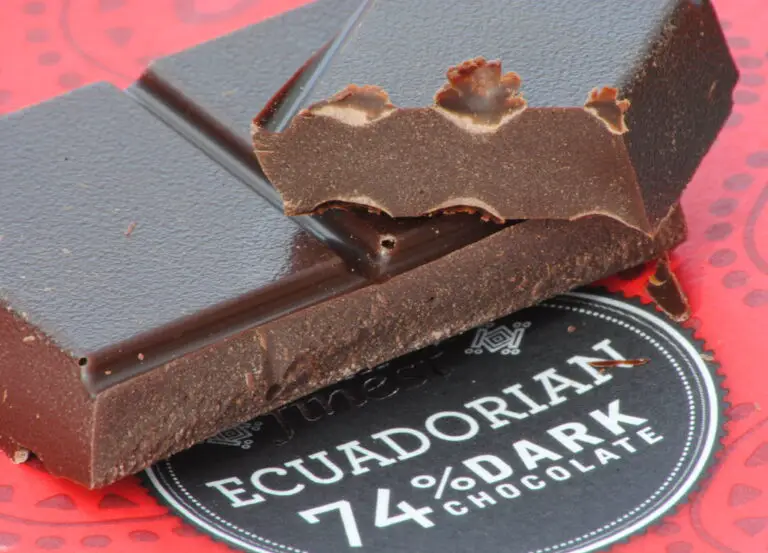
Yes. The best types are dark chocolate with 70% cocoa or higher, specifically those that are non-alkalized (natural) and minimally processed. Brands like Hu Kitchen, Taza, and Valrhona are excellent choices because they preserve high levels of flavanols and theobromine, which are the key compounds linked to reduced cellular senescence. Avoid milk chocolate, white chocolate, and bars with added emulsifiers or high sugar content.
Read more about “🍫 Chocolate’s Anti-Aging Secret: Epigenetic Effects on Aging (2026)”
How frequently should one consume chocolate to see anti-senescence effects?
Consistency is key. Research suggests that consuming 20–30 grams (about one small square) of high-quality dark chocolate daily is the optimal frequency. This daily dose provides a steady stream of antioxidants without the caloric overload of larger, infrequent servings.
Read more about “🍫 Chocolate & Cellular Aging: 18 Ways It Fights Senescence (2026)”
What is the role of flavonoids in chocolate for anti-aging benefits?
Flavonoids (specifically flavanols like epicatechin) are the primary antioxidants in chocolate. They work by:
- Neutralizing free radicals to reduce oxidative stress.
- Improving blood flow to the brain and heart.
- Reducing inflammation (lowering CRP levels).
- Protecting telomeres from shortening.
Without these compounds, chocolate loses its anti-aging properties.
Read more about “🍫 Cocoa’s Secret: Sirtuin Activation for Extended Lifespan (2026)”
Can dark chocolate improve longevity by affecting cellular health?
Yes. Studies have shown that the theobromine and flavanols in dark chocolate are associated with longer telomeres and younger biological age. By reducing oxidative stress and inflammation, dark chocolate helps prevent the accumulation of senescent “zombie cells,” thereby supporting overall cellular health and potentially extending lifespan.
Read more about “🍫 8 Longevity Secrets in Chocolate (2026)”
What compounds in chocolate help reduce oxidative stress in cells?
The main compounds are epicatechin, catechin, and procyanidins (all types of flavanols). Additionally, theobromine plays a synergistic role in reducing oxidative stress and improving vascular function.
Read more about “🍫 7 Ways Chocolate Fights Cellular Senescence (2025)”
How does chocolate consumption influence cellular senescence and aging?
Chocolate consumption influences cellular senescence by:
- Inducing apoptosis in senescent cells.
- Preventing the SASP (Senescence-Associated Secretory Phenotype) from damaging neighboring cells.
- Stimulating autophagy, the body’s cellular cleanup process.
- Preserving telomere length, which delays the aging process.
However, these benefits are only seen with high-quality, minimally processed dark chocolate.
Read more about “🍫 Unlocking Chocolate’s Secret: 9 Ways It Protects Your Telomeres (2026)”
📚 Reference Links
- Everyday Health: Caffeine-like compound in dark chocolate tied to slower aging
- National Institutes of Health (NIH): Flavanols and Health Benefits
- King’s College London: Theobromine and Biological Age Study
- Valrhona: Official Website
- Hu Kitchen: Official Website
- Taza Chocolate: Official Website
- Green & Black’s: Official Website
- Lindt: Official Website
Leave a ReplyCancel Reply
Latest Topics
- The Best Organic Cacao Powders for Smoothies
- Comparing Single-Origin vs. Blended Dark Chocolate
- How to Make Raw Cacao at Home
Privacy Preferences