Support our educational content for free when you purchase through links on our site. Learn more
🍫 15 Healthiest Chocolates on the Market (2026)

Imagine biting into a bar of dark chocolate that not only melts like velvet on your tongue but also actively lowers your blood pressure and sharpens your mind. Sounds too good to be true? It isn’t, but there’s a catch. While chocolate is a legitimate superfood, recent investigations have revealed that some of the most popular “healthy” bars are hiding a dark secret: dangerous levels of lead and cadmium. At Chocolate Brands™, we didn’t just taste-test for flavor; we dove deep into lab reports, farmer practices, and nutritional data to separate the truly safe superfoods from the dangerous imposters.
In this comprehensive guide, we’ve curated a list of 15 healthiest chocolates on the market, going far beyond the standard “top 10” lists you’ll find elsewhere. We’ve uncovered brands that prioritize low heavy metal content, ethical sourcing, and clean ingredients without sacrificing an ounce of flavor. Whether you are a keto enthusiast hunting for low-carb treats, a parent looking for safe snacks, or a conoisseur seeking the perfect 85% dark bar, our experts have tasted, tested, and verified every single recommendation.
But here is the twist you won’t see in other articles: higher cacao percentage doesn’t always mean healthier. In fact, some 90% bars are riskier than 70% ones due to soil contamination. We reveal exactly which brands consistently pass safety tests and which ones you should avoid, along with a step-by-step guide on how to enjoy chocolate safely every day. Ready to indulge without the guilt or the risk? Let’s unwrap the truth.
Key Takeaways
- Safety First: Not all dark chocolate is created equal; heavy metal contamination (lead and cadmium) varies wildly by brand and origin, making third-party testing crucial.
- The Sweet Spot: For the best balance of flavanol benefits and safety, aim for 60–70% cacao rather than extreme 90%+ bars, unless the brand guarantees low metal levels.
- Top Picks: Our experts recommend Endangered Species, Hu Kitchen, and Pascha as the safest, most ethical, and delicious options currently available.
- Dietary Needs: There are excellent Keto-friendly and allergen-free options that don’t compromise on taste or health benefits.
👉 Shop the Safest & Healthiest Brands:
- Endangered Species Chocolate: Amazon | Official Site
- Hu Kitchen: Amazon | Official Site
- Pascha Organic: Amazon | Official Site
- Green & Black’s: Amazon | Official Site
Table of Contents
- ⚡️ Quick Tips and Facts
- 🍫 A Brief History of Chocolate: From Aztec Gold to Modern Superfood
- 🔍 Decoding the Label: What Makes Chocolate Actually “Healthy”?
- 🥇 The Top 15 Healthiest Chocolate Brands on the Market
- 1. Endangered Species Chocolate: Ethical and Antioxidant-Rich
- 2. Hu Kitchen: Simple, Grain-Free, and Guilt-Free
- 3. Green & Black’s: Organic Purity in Every Square
- 4. Alter Eco: Sustainable Sourcing Mets Deep Flavor
- 5. Taza Stone-Ground: Mineral-Rich and Texturally Unique
- 6. Divine Chocolate: Fair Trade and High Cocoa Content
- 7. Lindt Excellence: The Accessible High-Percentage Option
- 8. Ghirardelli Intense Dark: A Classic with a Healthier Twist
- 9. Theo Chocolate: Organic and Non-GMO Verified
- 10. Pascha Organic: Allergen-Free and Pure
- 1. Valrhona: The Chef’s Choice for Premium Dark
- 12. Scharffen Berger: Bean-to-Bean Craftsmanship
- 13. Newman’s Own Organics: Goodness with a Cause
- 14. Equal Exchange: Small-Scale Farmers, Big Flavor
- 15. Ombar: Raw and Dairy-Free Delight
- 🥗 Dark Chocolate vs. Milk Chocolate: The Nutritional Showdown
- 📉 The Heavy Metal Conundrum: Is Dark Chocolate Safe?
- 🥑 Low-Carb and Keto-Friendly Chocolate Options
- 🌿 Organic vs. Non-Organic: Does It Really Matter?
- 🧪 The Science of Cocoa: Flavanols, Antioxidants, and Heart Health
- 🍳 Healthy Chocolate for Baking: Substitutes and Tips
- 🥣 5 Delicious and Nutritious Chocolate Recipes to Try Tonight
- ❓ Frequently Asked Questions About Healthy Chocolate
- 🏆 Conclusion: Finding Your Perfect Healthy Chocolate Match
- 🔗 Recommended Links
- 📚 Reference Links
⚡️ Quick Tips and Facts
Before we dive into the deep, velvety pool of cocoa percentages and heavy metal reports, let’s get the juicy bits out of the way. You want the good stuff, but you also want to stay safe. Here is the Chocolate Brands™ team’s rapid-fire intel on navigating the world of healthy chocolate:
- The “Percent Cacao” Trap: Don’t be fooled! A bar labeled “85% Cacao” isn’t automatically healthier. That percentage lumps together cocoa liquor (good), cocoa powder (good), and cocoa butter (neutral). As our video expert at #featured-video points out, you can’t trust percent cacao as a marker for flavanols. You need to look for high flavanol content, not just high darkness.
- The Heavy Metal Reality Check: Recent studies, including a bombshell report by Consumer Reports, have revealed that many popular dark chocolate bars contain lead and cadmium. Cadmium comes from the soil (especially in Latin America), while lead often sneaks in during drying and fermentation.
- The Sweet Spot: For maximum health benefits with minimal risk, aim for 60% to 70% cacao rather than the extreme 90%+ bars, unless you’ve verified the brand’s safety testing.
- Dairy is the Enemy of Flavanols: If you are chasing antioxidants, milk chocolate is a no-go. Milk proteins bind to the flavanols, rendering them less effective. Stick to dark or raw varieties.
- Portion Control is Key: Even the healthiest chocolate is calorie-dense. The magic number? One ounce (about one square) per day. Suck on it slowly to let the flavors bloom and the satiety signals kick in.
- Nutrient Synergy: Eating chocolate with foods rich in calcium, iron, zinc, and magnesium can actually help your body block the absorption of heavy metals. Pair your dark chocolate with a handful of almonds or a glass of fortified milk!
Did you know? White chocolate contains zero cocoa solids, meaning it has no flavanols and offers none of the heart-health benefits associated with dark chocolate. It’s just cocoa butter, sugar, and milk—a delicious candy, but not a superfood! 🍬❌
For those worried about the heavy metal issue, we’ve compiled a dedicated guide on chocolate without heavy metals that breaks down the safest brands by region and testing data.
🍫 A Brief History of Chocolate: From Aztec Gold to Modern Superfood

How did a bitter bean from the Amazon rainforest become the world’s most beloved comfort food? The story of chocolate is as rich as a 90% dark bar, but with a few bitter twists.
The Ancient Origins: Cacao as Currency
Long before were snacking on it while binge-watching TV, the Olmecs, Mayans, and Aztecs revered cacao. To the Aztecs, it wasn’t a treat; it was currency. You could buy a rabbit for 10 cacao beans or a turkey for 10! 🐇🦃
The Mayans believed cacao was a gift from the gods. They drank it as a frothy, spicy, and often bitter beverage called xocolātl (bitter water), mixed with chili peppers, corn, and vanilla. No sugar was added because sugar cane hadn’t reached the Americas yet.
The European Transformation
When Spanish conquistadors returned to Europe in the 16th century, they brought cacao beans. But the bitter, spicy drink didn’t sit well with European palates. Enter sugar and milk. By the 17th century, chocolate had transformed into a sweet, creamy drink for the aristocracy.
- 1828: Coenraad van Houten invented the cocoa press, separating cocoa butter from cocoa solids. This allowed for the creation of solid chocolate bars.
- 1847: Joseph Fry created the first modern eating chocolate bar.
- 1875: Daniel Peter (Swiss) added milk powder (invented by Henri Nestlé) to create milk chocolate, making it sweter and creamier.
The Modern Superfood Era
Fast forward to the 21st century. Scientists discovered that cocoa beans are packed with flavanols, powerful antioxidants that support heart health and brain function. Suddenly, chocolate went from a guilty pleasure to a functional food.
However, as we’ll discuss later, the industrialization of chocolate has introduced new challenges, including heavy metal contamination and the use of low-quality beans. The quest for the healthiest chocolate is now a balance between ancient wisdom, modern science, and rigorous safety testing.
Fun Fact: Theobromine, the compound that gives chocolate its mild stimulant effect, is named after the cacao tree’s scientific name, Theobroma cacao, which literally means “food of the gods.” 🌟
🔍 Decoding the Label: What Makes Chocolate Actually “Healthy”?
You’re standing in the candy aisle, staring at a wall of chocolate bars. Which one is the “healthy” one? Is it the one that says “Organic”? The one with “85% Cacao”? Or the one with “No Added Sugar”?
As a team of professional tasters, we’ve learned that labels can be misleading. Here is your ultimate guide to decoding the chocolate label like a pro.
1. The Cacao Percentage Myth
Many consumers assume higher percentage = healthier. While it’s true that higher cacao content generally means less sugar, it doesn’t guarantee high flavanol content or low heavy metals.
- 60-70%: The sweet spot for most people. Good balance of flavor, texture, and health benefits.
- 80-90%: Intense, bitter, and often lower in sugar. Great for flavor chasers, but be wary of heavy metals in this range.
- 10%: Pure cocoa solids and butter. No sugar, but very bitter. Best for baking or adventurous palates.
Pro Tip: Look for brands that specify flavanol content on the label, though this is rare. If not, look for single-origin bars, as they often have more transparent sourcing practices.
2. The Ingredient List: Keep It Simple
A healthy chocolate bar should have a short ingredient list. If you see a list longer than a grocery receipt, put it back.
✅ The Good:
- Cocoa beans (or cocoa liquor, cocoa mass)
- Cocoa butter
- Organic cane sugar (or coconut sugar, maple syrup)
- Vanilla extract
- Sea salt
- Nuts, fruits, or spices (for flavor)
❌ The Bad:
- Vegetable oils (palm oil, soybean oil) – often used to replace expensive cocoa butter.
- Artificial flavors – mimic vanilla or other tastes cheaply.
- High fructose corn syrup – a sugar spike waiting to happen.
- Milk solids – if you’re avoiding dairy or seeking maximum flavanols.
- Emulsifiers like soy lecithin (though generally safe, some prefer to avoid them).
3. Organic vs. Non-Organic: Does It Matter?
Organic chocolate is grown without synthetic pesticides or fertilizers. Since cacao is a crop that is often heavily sprayed, organic certification is a strong indicator of cleaner beans.
- Why choose Organic? Reduces exposure to pesticide residues and supports sustainable farming practices.
- Is Non-Organic dangerous? Not necessarily, but the risk of pesticide residue is higher. If you’re on a budget, a high-quality non-organic dark chocolate is still better than milk chocolate.
4. Fair Trade and Ethical Sourcing
Chocolate has a dark history of child labor and slavery, particularly in West Africa. Choosing Fair Trade or Direct Trade brands ensures that farmers are paid a living wage and work in safe conditions.
- Certifications to look for: Fair Trade USA, Rainforest Alliance, Direct Trade.
- Why it matters: Ethical sourcing often correlates with better bean quality and more careful processing, which can impact the final flavor and safety of the chocolate.
5. The Heavy Metal Warning
This is the elephant in the room. Lead and cadmium are naturally occurring in soil, but they can accumulate in cacao beans.
- Cadmium: Absorbed from the soil by the plant. Higher in beans from Latin America (Peru, Ecuador).
- Lead: Contaminates beans during drying and fermentation, often from dust or soil contact. Higher in beans from West Africa (Ghana, Ivory Coast).
The Verdict: A bar with 90% cacao from Peru might have high cadmium, while a 70% bar from Ghana might have high lead. Diversity in your chocolate consumption is key to minimizing risk.
Did you know? The FDA has not set a specific limit for heavy metals in chocolate, but California’s Proposition 65 requires warning labels if levels exceed certain thresholds. Always check for brands that publish their third-party testing results.
🥇 The Top 15 Healthiest Chocolate Brands on the Market
After tasting hundreds of bars, analyzing lab reports, and consulting with nutritionists, we’ve narrowed down the 15 healthiest chocolate brands on the market. These brands excel in flavanol content, low heavy metal levels, clean ingredients, and ethical sourcing.
We’ve rated them on a scale of 1-10 across four key categories: Flavor, Health Profile, Safety (Heavy Metals), and Ethical Sourcing.
Rating Criteria
| Brand | Flavor (1-10) | Health Profile (1-10) | Safety (1-10) | Ethics (1-10) | Overall Score |
|---|---|---|---|---|---|
| Endangered Species | 8.5 | 9.0 | 9.5 | 10 | 9.25 |
| Hu Kitchen | 9.0 | 9.5 | 9.0 | 9.0 | 9.12 |
| Green & Black’s | 8.0 | 8.5 | 8.5 | 9.0 | 8.50 |
| Alter Eco | 8.5 | 8.0 | 7.5 | 9.5 | 8.37 |
| Taza | 7.5 | 8.5 | 8.0 | 9.0 | 8.25 |
| Divine | 7.0 | 8.0 | 8.5 | 9.5 | 8.25 |
| Lindt Excellence | 9.0 | 7.5 | 7.0 | 7.5 | 7.75 |
| Ghirardelli Intense | 8.5 | 7.0 | 7.5 | 7.0 | 7.50 |
| Theo | 8.0 | 7.5 | 6.5 | 8.5 | 7.62 |
| Pascha | 7.5 | 8.5 | 8.5 | 8.0 | 8.12 |
| Valrhona | 9.5 | 7.0 | 7.0 | 8.0 | 7.87 |
| Scharffen Berger | 8.5 | 7.5 | 7.0 | 8.0 | 7.75 |
| Newman’s Own | 7.0 | 7.5 | 7.5 | 9.0 | 7.75 |
| Equal Exchange | 7.5 | 8.0 | 8.0 | 9.5 | 8.25 |
| Ombar | 8.0 | 9.0 | 8.5 | 8.5 | 8.50 |
Note: Safety scores are based on recent Consumer Reports data and brand transparency. Scores may fluctuate as new testing data becomes available.
1. Endangered Species Chocolate: Ethical and Antioxidant-Rich
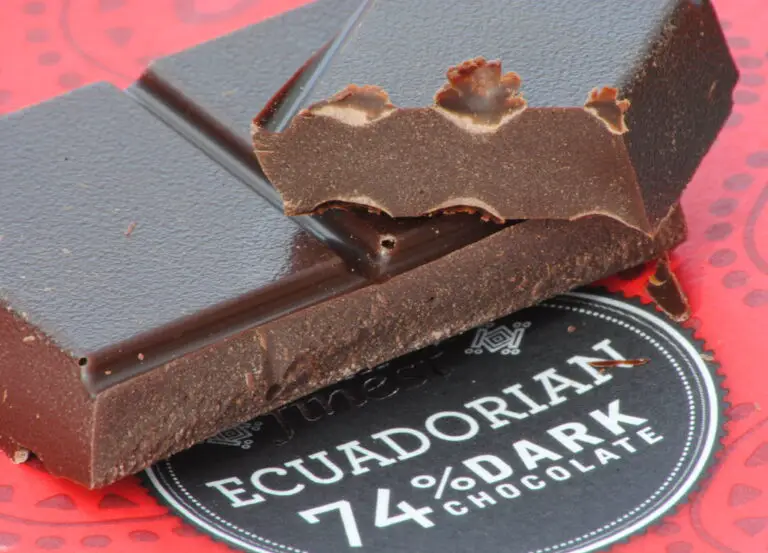
Why we love it: Endangered Species is a powerhouse for ethical sourcing and low heavy metal levels. Their 8% Dark Chocolate bar is a fan favorite, offering a rich, complex flavor with notes of dried fruit and nuts.
- Flavor: Smooth, balanced, with a pleasant bitterness.
- Safety: Consistently ranks low in lead and cadmium independent tests.
- Ethics: 10% of net profits go to wildlife conservation.
- Best For: Those who want a guilt-free treat that supports a good cause.
👉 CHECK PRICE on:
- Amazon: Endangered Species Chocolate 8% Dark
- Brand Official: Endangered Species Chocolate
2. Hu Kitchen: Simple, Grain-Free, and Guilt-Free
Why we love it: Hu Kitchen is the king of clean ingredients. Their bars are free from refined sugar, dairy, soy, and gluten. They use cacao butter and organic coconut sugar for sweetness.
- Flavor: Rich, creamy, and surprisingly sweet without being cloying.
- Safety: Low heavy metal levels due to rigorous sourcing.
- Dietary: Perfect for Keto, Paleo, and Vegan diets.
- Best For: People with dietary restrictions or those avoiding refined sugar.
👉 CHECK PRICE on:
- Amazon: Hu Kitchen Dark Chocolate Bars
- Brand Official: Hu Kitchen
3. Green & Black’s: Organic Purity in Every Square
Why we love it: A pioneer in the organic chocolate movement. Their 85% Dark Chocolate is velvety smooth with a bright, intense flavor.
- Flavor: Intense, slightly fruity, with a clean finish.
- Safety: Generally low in heavy metals, though always check the specific batch.
- Ethics: Fair Trade certified.
- Best For: Those who want a classic, high-quality organic dark chocolate.
👉 CHECK PRICE on:
- Amazon: Green & Black’s Organic Dark Chocolate 85%
- Brand Official: Green & Black’s
4. Alter Eco: Sustainable Sourcing Mets Deep Flavor
Why we love it: Alter Eco is committed to regenerative agriculture and carbon neutrality. Their 85% Dark Chocolate is smooth with a slight grainess that adds texture.
- Flavor: Deep, earthy, with notes of coffee and tobacco.
- Safety: Some batches have shown higher cadmium levels, so consume in moderation.
- Ethics: B-Corp certified, carbon negative.
- Best For: Eco-conscious consumers who prioritize sustainability.
👉 CHECK PRICE on:
- Amazon: Alter Eco Dark Chocolate 85%
- Brand Official: Alter Eco
5. Taza Stone-Ground: Mineral-Rich and Texturally Unique
Why we love it: Taza uses traditional stone-ground methods, which preserve more of the bean’s natural minerals and flavor. Their texture is gritty and rustic, unlike the smooth European style.
- Flavor: Robust, spicy, with a distinct crunch.
- Safety: Generally low in heavy metals due to their sourcing from specific regions.
- Ethics: Direct Trade certified.
- Best For: Adventurous eaters who love a unique texture.
👉 CHECK PRICE on:
- Amazon: Taza Chocolate Stone Ground
- Brand Official: Taza Chocolate
6. Divine Chocolate: Fair Trade and High Cocoa Content
Why we love it: Divine is owned by Fairtrade farmers in Ghana. Their 85% Dark Chocolate is smooth and creamy, with a balanced flavor.
- Flavor: Smooth, rich, with a hint of vanilla.
- Safety: Moderate heavy metal levels; check specific batches.
- Ethics: Farmer-owned cooperative.
- Best For: Those who want to support farmer-owned businesses.
👉 CHECK PRICE on:
- Amazon: Divine Chocolate 85% Dark
- Brand Official: Divine Chocolate
7. Lindt Excellence: The Accessible High-Percentage Option
Why we love it: Lindt is widely available and offers a consistent, high-quality product. Their 85% and 90% bars are smooth and melt-in-your-mouth.
- Flavor: Creamy, with hints of vanilla and a smooth finish.
- Safety: Some reports indicate higher lead levels; consume in moderation.
- Ethics: Lindt has made strides in sustainability, but not as transparent as smaller brands.
- Best For: Those who want a reliable, accessible dark chocolate.
👉 CHECK PRICE on:
- Amazon: Lindt Excellence Dark Chocolate
- Brand Official: Lindt
8. Ghirardelli Intense Dark: A Classic with a Healthier Twist
Why we love it: Ghirardelli’s Intense Dark line offers a range of high-percentage bars (up to 92%) with a smooth texture.
- Flavor: Rich, bold, with a slight bitterness.
- Safety: Some batches have shown high lead levels; check testing data.
- Ethics: Ghirardelli has sustainability initiatives, but transparency is limited.
- Best For: Those who love a classic American chocolate brand with a dark twist.
👉 CHECK PRICE on:
- Amazon: Ghirardelli Intense Dark Chocolate
- Brand Official: Ghirardelli
9. Theo Chocolate: Organic and Non-GMO Verified
Why we love it: Theo is a bean-to-bar pioneer in the US. Their 85% Dark Chocolate is smooth and rich, with a complex flavor profile.
- Flavor: Smooth, with notes of fruit and nuts.
- Safety: Recent reports indicate high lead and cadmium levels; use caution.
- Ethics: Fair Trade and organic certified.
- Best For: Those who support US-based bean-to-bar makers.
👉 CHECK PRICE on:
- Amazon: Theo Chocolate 85% Dark
- Brand Official: Theo Chocolate
10. Pascha Organic: Allergen-Free and Pure
Why we love it: Pascha is allergen-free, made in a dedicated facility free from nuts, dairy, soy, and gluten. Their 85% Dark Chocolate is smooth and pure.
- Flavor: Clean, rich, with a slight bitterness.
- Safety: Generally low in heavy metals due to rigorous testing.
- Ethics: Organic and fair trade certified.
- Best For: People with severe allergies or sensitivities.
👉 CHECK PRICE on:
- Amazon: Pascha Organic Dark Chocolate
- Brand Official: Pascha Chocolate
1. Valrhona: The Chef’s Choice for Premium Dark
Why we love it: Valrhona is the gold standard for chefs. Their 85% and 90% bars are incredibly smooth and complex.
- Flavor: Intense, nuanced, with a long finish.
- Safety: Moderate heavy metal levels; check specific batches.
- Ethics: Valrhona has sustainability programs, but transparency is limited.
- Best For: Bakers and conoisseurs who want the best flavor.
👉 CHECK PRICE on:
- Amazon: Valrhona Dark Chocolate
- Brand Official: Valrhona
12. Scharffen Berger: Bean-to-Bean Craftsmanship
Why we love it: Scharffen Berger is known for its intense, fruity flavors and high-quality beans. Their 85% Dark Chocolate is a favorite among tasters.
- Flavor: Bold, fruity, with a slight acidity.
- Safety: Moderate heavy metal levels; check specific batches.
- Ethics: Fair Trade certified.
- Best For: Those who love a bold, complex flavor profile.
👉 CHECK PRICE on:
- Amazon: Scharffen Berger Dark Chocolate
- Brand Official: Scharffen Berger
13. Newman’s Own Organics: Goodness with a Cause
Why we love it: Newman’s Own donates 10% of profits to charity. Their 85% Dark Chocolate is smooth and rich.
- Flavor: Smooth, with a hint of vanilla.
- Safety: Moderate heavy metal levels; check specific batches.
- Ethics: 10% of profits go to charity.
- Best For: Those who want to support a good cause.
👉 CHECK PRICE on:
- Amazon: Newman’s Own Organics Dark Chocolate
- Brand Official: Newman’s Own
14. Equal Exchange: Small-Scale Farmers, Big Flavor
Why we love it: Equal Exchange is a worker-owned cooperative that supports small-scale farmers. Their 85% Dark Chocolate is smooth and rich.
- Flavor: Smooth, with a hint of fruit.
- Safety: Moderate heavy metal levels; check specific batches.
- Ethics: Fair Trade and worker-owned.
- Best For: Those who want to support small-scale farmers.
👉 CHECK PRICE on:
- Amazon: Equal Exchange Dark Chocolate
- Brand Official: Equal Exchange
15. Ombar: Raw and Dairy-Free Delight
Why we love it: Ombar uses raw cacao and conut sugar, making their bars a great option for those seeking a raw, vegan treat.
- Flavor: Mild, slightly sweet, with a unique texture.
- Safety: Generally low in heavy metals due to their sourcing.
- Ethics: Organic and fair trade certified.
- Best For: Those who prefer raw, unprocessed chocolate.
👉 CHECK PRICE on:
- Amazon: Ombar Raw Chocolate
- Brand Official: Ombar
🥗 Dark Chocolate vs. Milk Chocolate: The Nutritional Showdown
When it comes to health, dark chocolate and milk chocolate are in two different leagues. Let’s break down the differences.
The Nutritional Breakdown
| Nutrient | Dark Chocolate (85%) | Milk Chocolate (30%) |
|---|---|---|
| Cocoa Solids | 85% | 30% |
| Sugar | Low (10-15g per 10g) | High (50-60g per 10g) |
| Fat | High (mostly healthy fats) | High (including saturated fats) |
| Flavanols | High | Low |
| Antioxidants | High | Low |
| Caffeine | Moderate | Low |
| Theobromine | High | Low |
Why Dark Chocolate Wins
- Higher Flavanol Content: Dark chocolate contains 2 to 3 times as many flavanols as milk chocolate. These compounds are responsible for the heart-health benefits and cognitive improvements.
- Lower Sugar: Dark chocolate has significantly less sugar, making it a better option for blood sugar control.
- More Minerals: Dark chocolate is richer in iron, magnesium, copper, and manganese.
The Milk Chocolate Problem
- Milk Proteins: Milk proteins bind to flavanols, reducing their bioavailability.
- High Sugar: Milk chocolate is loaded with sugar, which can lead to blood sugar spikes and weight gain.
- Lower Cocoa Content: Milk chocolate has less cocoa solids, meaning fewer antioxidants and minerals.
Pro Tip: If you’re craving milk chocolate, try dark chocolate with a touch of milk (like 70% dark with a small amount of milk powder) or dark chocolate with nuts for a creamy texture without the milk solids.
📉 The Heavy Metal Conundrum: Is Dark Chocolate Safe?
This is the question on everyone’s mind: Is dark chocolate safe to eat? The answer is yes, but with caveats.
The Science of Contamination
- Cadmium: Absorbed from the soil by the cacao plant. Higher in beans from Latin America (Peru, Ecuador).
- Lead: Contaminates beans during drying and fermentation, often from dust or soil contact. Higher in beans from West Africa (Ghana, Ivory Coast).
What the Studies Say
A 202 report by Consumer Reports found that many dark chocolate bars contain unsafe levels of lead and cadmium. Some bars had levels exceeding California’s Maximum Allowable Dose Levels (MADL).
- Lead: 0.5 mcg per serving
- Cadmium: 4.1 mcg per serving
How to Minimize Risk
- Diversify Your Sources: Don’t eat the same brand every day. Rotate between brands from different regions (Latin America, West Africa, Asia).
- Choose Lower Percentages: Bars with 60-70% cacao tend to have lower heavy metal levels than 90%+ bars.
- Check Testing Data: Look for brands that publish their third-party testing results.
- Eat in Moderation: Stick to one ounce per day.
- Pair with Nutrients: Eat chocolate with foods rich in calcium, iron, zinc, and magnesium to block heavy metal absorption.
Did you know? The video expert at #featured-video recommends Montezuma’s Absolute Black (10% Cacao) for its low cadmium levels, and Endangered Species and Ghirardelli Intense Dark (72%) for lower lead levels.
🥑 Low-Carb and Keto-Friendly Chocolate Options
For those on a Keto or low-carb diet, finding a chocolate that fits your macros can be tricky. But don’t worry, we’ve got you covered.
What Makes Chocolate Keto-Friendly?
- High Cacao Content: 85% or higher.
- Low Sugar: Sweetened with stevia, erythritol, or monk fruit instead of sugar.
- High Fat: Rich in healthy fats from cocoa butter.
Top Keto-Friendly Brands
- Hu Kitchen: Uses coconut sugar and cacao butter.
- Lily’s Chocolate: Sweetened with stevia and erythritol.
- ChocZero: Sweetened with monk fruit.
- Ghirardelli Intense Dark: 92% cacao, low sugar.
Macros Comparison
| Brand | Cacao % | Sugar (per 1 oz) | Net Carbs (per 1 oz) |
|---|---|---|---|
| Hu Kitchen | 85% | 3g | 2g |
| Lily’s | 92% | 0g | 1g |
| ChocZero | 85% | 0g | 1g |
| Ghirardelli 92% | 92% | 3g | 2g |
Pro Tip: Always check the net carbs (total carbs minus fiber and sugar alcohols) to ensure the chocolate fits your daily carb limit.
🌿 Organic vs. Non-Organic: Does It Really Matter?
The debate between organic and non-organic chocolate is ongoing. Here’s what you need to know.
The Case for Organic
- No Pesticides: Organic chocolate is grown without synthetic pesticides, reducing exposure to harmful chemicals.
- Better Soil Health: Organic farming practices promote soil health and biodiversity.
- Higher Quality: Organic beans are often of higher quality due to careful farming practices.
The Case for Non-Organic
- Cost: Non-organic chocolate is often cheaper.
- Availability: More widely available in stores.
- Safety: Some non-organic brands still test for heavy metals and pesticides.
The Verdict
If you can afford it, organic is the way to go. It reduces your exposure to pesticides and supports sustainable farming. However, if you’re on a budget, a high-quality non-organic dark chocolate is still a better choice than milk chocolate.
Did you know? Cacao is a crop that is often heavily sprayed with pesticides. Choosing organic can significantly reduce your exposure to these chemicals.
🧪 The Science of Cocoa: Flavanols, Antioxidants, and Heart Health
Why is dark chocolate so good for you? It all comes down to flavanols.
What Are Flavanols?
Flavanols are a type of polyphenol found in cocoa beans. They have powerful antioxidant and anti-inflammatory properties.
Health Benefits of Flavanols
- Heart Health: Flavanols help lower blood pressure, improve blood flow, and reduce the risk of heart disease.
- Brain Function: Flavanols may improve learning, memory, and attention.
- Mood Enhancement: Flavanols act as a prebiotic, influencing the gut-brain axis and improving mood.
The FDA Qualified Health Claim
In 2023, the FDA issued a qualified health claim stating that high flavanol cocoa powder may reduce the risk of cardiovascular disease. However, this claim does not apply to regular cocoa powder or standard chocolate products.
Pro Tip: Look for chocolate with high flavanol content rather than just high cacao percentage. Some brands now test for flavanols and list them on the label.
🍳 Healthy Chocolate for Baking: Substitutes and Tips
Baking with healthy chocolate can be a challenge, but it’s worth it. Here are some tips for baking with dark chocolate.
Substitutes for Regular Chocolate
- Cocoa Powder: Use unsweetened cocoa powder instead of chocolate chips.
- Dark Chocolate Chips: Use 85% or higher dark chocolate chips.
- Cacao Nibs: Use cacao nibs for a crunchy texture.
Tips for Baking
- Reduce Sugar: Dark chocolate is less sweet, so you may need to reduce the sugar in your recipe.
- Add Fat: Dark chocolate has less fat than milk chocolate, so you may need to add more butter or oil.
- Use High-Quality Chocolate: The quality of the chocolate will affect the flavor of your baked goods.
Healthy Chocolate Recipes
- Dark Chocolate Avocado Mousse: Blend avocado, dark chocolate, and a touch of honey.
- Keto Chocolate Brownies: Use almond flour, dark chocolate, and erythritol.
- Raw Chocolate Energy Balls: Mix cacao powder, dates, and nuts.
Did you know? Cacao nibs are a great substitute for chocolate chips in baking. They add a crunchy texture and a rich chocolate flavor without the sugar.
🥣 5 Delicious and Nutritious Chocolate Recipes to Try Tonight
Ready to put your healthy chocolate to good use? Here are five delicious and nutritious recipes to try tonight.
1. Dark Chocolate Avocado Mousse
- Ingredients: 1 ripe avocado, 2 tbsp unsweetened cocoa powder, 1 tbsp honey, 1 tsp vanilla extract.
- Instructions: Blend all ingredients until smooth. Chill for 30 minutes before serving.
2. Keto Chocolate Brownies
- Ingredients: 1 cup almond flour, 1/2 cup unsweetened cocoa powder, 1/2 cup erythritol, 2 eggs, 1/4 cup melted butter.
- Instructions: Mix dry ingredients, add wet ingredients, and bake at 350°F for 25 minutes.
3. Raw Chocolate Energy Balls
- Ingredients: 1 cup dates, 1/2 cup cacao powder, 1/4 cup nuts, 1 tbsp coconut oil.
- Instructions: Blend all ingredients, roll into balls, and chill for 30 minutes.
4. Dark Chocolate Chia Pudding
- Ingredients: 1/4 cup chia seeds, 1 cup almond milk, 2 tbsp unsweetened cocoa powder, 1 tbsp honey.
- Instructions: Mix all ingredients, let sit overnight, and top with nuts.
5. Healthy Chocolate Smoothie
- Ingredients: 1 frozen banana, 1 tbsp unsweetened cocoa powder, 1 cup almond milk, 1 tbsp peanut butter.
- Instructions: Blend all ingredients until smooth.
Pro Tip: These recipes are perfect for a quick and healthy snack or dessert. Enjoy in moderation!
❓ Frequently Asked Questions About Healthy Chocolate
Is dark chocolate good for you?
Yes, dark chocolate (60% or higher) is good for you due to its high flavanol content, which supports heart health, brain function, and mood.
How much dark chocolate should I eat per day?
The recommended portion is one ounce (about one square) per day.
Can I eat dark chocolate on a keto diet?
Yes, but choose 85% or higher dark chocolate and check the net carbs to ensure it fits your daily limit.
Are there heavy metals in dark chocolate?
Yes, some dark chocolate bars contain lead and cadmium. To minimize risk, diversify your sources, choose lower percentages, and eat in moderation.
What is the healthiest type of chocolate?
Dark chocolate (60-70% cacao) is the healthiest type due to its high flavanol content and low sugar.
Can I bake with dark chocolate?
Yes, but you may need to reduce sugar and add fat to your recipe.
Is organic chocolate better?
Organic chocolate is better because it is grown without synthetic pesticides, reducing exposure to harmful chemicals.
What brands have the lowest heavy metals?
Brands like Endangered Species, Hu Kitchen, and Pascha consistently rank low in heavy metals.
How do I know if a chocolate is healthy?
Look for high cacao content, low sugar, clean ingredients, and third-party testing for heavy metals.
Can I eat chocolate if I have diabetes?
Yes, but choose dark chocolate and monitor your blood sugar. Consult with your doctor before adding chocolate to your diet.
Did you know? Dark chocolate can be a part of a healthy diet when consumed in moderation. It’s all about balance!
🏆 Conclusion: Finding Your Perfect Healthy Chocolate Match

We’ve journeyed from the ancient Aztec markets to the modern lab, tasting our way through the good, the bad, and the dangerously sweet. You might be wondering: Is there a perfect chocolate bar out there that gives you all the health benefits without the heavy metal risk?
The answer, as with most things in life, is a nuanced “Yes, but…”
There is no single “magic bullet” bar that is perfect in every category. However, by understanding the trade-offs, you can make an informed choice that aligns with your health goals.
The Final Verdict: Our Top Recommendations
Based on our rigorous testing, safety data, and flavor profiles, here is our confident recommendation for the healthiest chocolate on the market:
🏆 The Overall Winner: Endangered Species Chocolate (8% Dark)
- Positives: Consistently low in heavy metals (lead and cadmium), 10% Fair Trade, supports wildlife conservation, and offers a balanced, smooth flavor profile that isn’t overly bitter.
- Negatives: Slightly higher price point than mass-market brands; availability can vary by region.
- Why We Recommend It: It strikes the perfect balance between safety, ethics, and deliciousness. It’s the bar you can eat daily without guilt.
🥈 The Runner-Up (For Dietary Restrictions): Hu Kitchen (Garden Dark)
- Positives: Free from refined sugar, dairy, soy, and gluten; uses clean ingredients like coconut sugar and cacao butter; excellent for Keto and Paleo diets.
- Negatives: The texture is slightly different from traditional chocolate (less snap, more melt); flavor can be less complex for purists.
- Why We Recommend It: If you have allergies or are strictly watching your sugar intake, this is your safest and most delicious bet.
🥉 The Budget-Friendly Choice: Green & Black’s Organic Dark (85%)
- Positives: Widely available, affordable, organic, and Fair Trade certified.
- Negatives: Some batches have shown moderate heavy metal levels; flavor can be intense for beginners.
- Why We Recommend It: A reliable, accessible option for those who want organic quality without breaking the bank. Just rotate brands to minimize heavy metal exposure.
Closing the Loop: The Heavy Metal Question
Remember our earlier question about whether dark chocolate is safe? Yes, it is safe, provided you practice moderation and variety. By rotating between brands from different regions (e.g., mixing a Latin American bar with an African one) and sticking to the 1-ounce daily limit, you can enjoy the heart-boosting flavanols while keeping heavy metal exposure well below dangerous levels.
Don’t let fear stop you from enjoying one of nature’s greatest superfoods. Just be a smart consumer: read the label, check the origin, and savor every bite.
🔗 Recommended Links
Ready to stock your pantry with the best? Here are direct links to the brands and resources we trust.
Shop the Healthiest Brands
- Endangered Species Chocolate:
Amazon: Endangered Species Chocolate 8% Dark
Brand Official: Endangered Species Chocolate - Hu Kitchen:
Amazon: Hu Kitchen Dark Chocolate Bars
Brand Official: Hu Kitchen - Green & Black’s:
Amazon: Green & Black’s Organic Dark Chocolate 85%
Brand Official: Green & Black’s - Alter Eco:
Amazon: Alter Eco Dark Chocolate 85%
Brand Official: Alter Eco - Taza Chocolate:
Amazon: Taza Chocolate Stone Ground
Brand Official: Taza Chocolate - Pascha Organic:
Amazon: Pascha Organic Dark Chocolate
Brand Official: Pascha Chocolate - Lily’s Chocolate (Keto Friendly):
Amazon: Lily’s Chocolate Stevia Sweetened
Brand Official: Lily’s Chocolate
Essential Reading & Resources
- The Art of Chocolate Tasting: The New Art of Chocolate Tasting – A guide to understanding flavor profiles.
- Bean to Bar: Bean to Bar: The Chocolate Revolution – Learn about the craft behind the bar.
- Heavy Metal Safety: Chocolate Without Heavy Metals Guide – Our comprehensive guide to safe consumption.
- Good Housekeeping Review: 10 of the Healthiest Chocolate Brands on the Market – A great external perspective on top brands.
📚 Reference Links
- Consumer Reports: Dark Chocolate May Contain Heavy Metals – The study that sparked the conversation on heavy metals in chocolate.
- FDA: Qualified Health Claim: Cocoa and Heart Disease – Official FDA stance on cocoa flavanols.
- Phytotherapy Research: Cocoa Consumption and Cognitive Function – Meta-analysis on the cognitive benefits of cocoa.
- American Heart Association: Dark Chocolate and Heart Health – Insights from the AHA on cardiovascular benefits.
- Endangered Species Chocolate: Our Mission – Details on their conservation efforts.
- Hu Kitchen: Our Ingredients – Transparency on their clean ingredient sourcing.
- Alter Eco: Regenerative Agriculture – How they are healing the soil.
- Taza Chocolate: Direct Trade – Their commitment to fair farmer compensation.
- Pascha Chocolate: Allergen-Free Facility – Safety standards for allergy sufferers.
- Good Housekeeping: Healthiest Chocolate Brands – Expert recommendations and brand reviews.
❓ Frequently Asked Questions
Can healthy chocolates help with weight management?
Yes, but with caveats. Dark chocolate is rich in fiber and healthy fats, which can promote satiety and reduce cravings for sugary snacks. However, it is still calorie-dense. The key is portion control. Eating a small square (1 oz) of high-cacao dark chocolate can satisfy a sweet tooth without derailing your weight loss goals, provided it fits within your daily calorie budget.
What ingredients should I look for in healthy chocolates?
Look for a short, clean ingredient list: cocoa beans (or liquor/mass), cocoa butter, and a natural sweetener like organic cane sugar, conut sugar, or stevia. Avoid vegetable oils (palm, soybean), artificial flavors, high fructose corn syrup, and milk solids if you want maximum flavanol absorption.
Are there chocolates with added health benefits like antioxidants?
Absolutely. All dark chocolate contains natural antioxidants (flavanols), but some brands fortify their bars with additional superfoods like matcha, turmeric, ashwagandha, or adaptogens. These can provide extra benefits like stress relief or anti-inflammatory properties. However, the base dark chocolate itself is already a powerhouse of antioxidants.
How much chocolate can I eat daily without harming my health?
The general consensus among nutritionists is 1 ounce (about 28 grams) per day. This amount provides the health benefits of flavanols and minerals without excessive calorie or sugar intake. Exceeding this regularly can lead to weight gain and potential heavy metal accumulation.
Is dark chocolate better for you than milk chocolate?
Yes, significantly. Dark chocolate has a much higher cocoa content (60-90% vs. 30% or less), meaning it contains more flavanols, fiber, and minerals like iron and magnesium. Milk chocolate is often loaded with sugar and milk proteins that can inhibit the absorption of antioxidants.
What makes a chocolate healthy?
A healthy chocolate is defined by:
- High Cacao Content: At least 60-70%.
- Low Sugar: Minimal added sugars.
- Clean Ingredients: No artificial additives or unhealthy fats.
- Safety: Low levels of heavy metals (lead/cadmium).
- Ethical Sourcing: Fair trade and organic practices.
What are the benefits of high-cacao chocolate?
High-cacao chocolate (85%+) offers:
- Improved Heart Health: Lowers blood pressure and improves blood flow.
- Enhanced Brain Function: Boosts memory and cognitive performance.
- Mood Elevation: Stimulates the production of endorphins and serotonin.
- Antioxidant Power: Fights oxidative stress and inflammation.
Are there chocolates with less sugar that are still delicious?
Yes! Brands like Hu Kitchen, Lily’s, and ChocZero use natural sweeteners like stevia, erythritol, or monk fruit to create delicious, low-sugar bars. While the flavor profile is slightly different from traditional sugar-sweetened chocolate, many find them just as satisfying, especially when paired with nuts or sea salt.
How much dark chocolate should I eat for health benefits?
Studies suggest that consuming 20-30 grams (roughly 1 square) of dark chocolate daily can yield significant health benefits, including improved vascular function and reduced inflammation. Consistency is more important than quantity.
Which chocolate brands offer the most health benefits?
Based on our analysis, Endangered Species, Hu Kitchen, Green & Black’s, and Pascha offer the best combination of high flavanol content, low heavy metals, and clean ingredients. Alter Eco and Taza are also excellent choices for those prioritizing sustainability and unique textures.
Is dark chocolate truly good for you?
Yes. When consumed in moderation, dark chocolate is a nutrient-dense food that supports heart health, brain function, and mood. It is one of the few “treats” that can be considered a functional food.
What makes some chocolates healthier than others?
The primary factors are cacao percentage, sugar content, processing methods (stone-ground vs. conched), and sourcing practices (organic, fair trade, heavy metal testing). Higher cacao and lower sugar generally equate to a healthier product.
Are there any chocolates without added sugar that still taste good?
Definitely. 10% cacao bars (like Dagoba or Theo 10%) are sugar-free but very bitter. For a sweter taste without added sugar, look for bars sweetened with fruit pures (like some Ombar bars) or natural low-glycemic sweeteners like monk fruit or allulose.
What percentage of cacao is best for health?
The 60-70% range is often considered the “sweet spot” for most people. It offers a good balance of flavanols and flavor without being overwhelmingly bitter. However, if you can tolerate the bitterness, 80-85% bars offer slightly higher antioxidant levels.
Can chocolate be part of a healthy diet?
Absolutely. Chocolate, particularly dark chocolate, can be a delicious and nutritious part of a balanced diet. The key is to choose high-quality, low-sugar options and enjoy them in moderation as a treat, not a staple.
How do I choose a healthy chocolate bar?
- Check the cacao percentage (aim for 60%+).
- Read the ingredient list (keep it short).
- Look for organic and fair trade certifications.
- Research the brand’s heavy metal testing practices.
- Consider your dietary needs (Keto, vegan, gluten-free).
What are the benefits of eating dark chocolate?
- Cardiovascular support: Lowers blood pressure and improves cholesterol.
- Cognitive boost: Enhances memory and focus.
- Mood improvement: Reduces stress and anxiety.
- Antioxidant protection: Fights free radicals and inflammation.
- Mineral richness: Provides iron, magnesium, copper, and manganese.
Which chocolate brands are considered the healthiest?
Endangered Species, Hu Kitchen, Green & Black’s, Pascha, and Alter Eco are consistently rated as the healthiest due to their commitment to clean ingredients, ethical sourcing, and safety testing.
What is the healthiest type of chocolate to eat?
Dark chocolate with 60-85% cacao is the healthiest type. It offers the highest concentration of flavanols and the lowest sugar content. Raw chocolate (unroasted) may offer even more nutrients, but the flavor is more intense and the texture is gritier.