Support our educational content for free when you purchase through links on our site. Learn more
🍫 7 Steps to Choose Low-Metal, High-Quality Chocolate (2026)

Imagine sinking your teeth into a rich, velvety 85% dark chocolate bar, only to discover it’s loaded with more cadmium than a lead paint chip. It sounds like a horror story, but for many chocolate lovers, it’s a daily reality. A recent Consumer Reports investigation shocked the industry by revealing that one-third of chocolate products contain heavy metal levels high enough to pose health risks. But here is the twist: you don’t have to quit chocolate forever. In fact, with the right knowledge, you can enjoy the world’s most decadent treat without the toxic baggage.
We’ve tasted hundreds of bars, from obscure single-origin gems to supermarket staples, to separate the safe from the dangerous. The secret isn’t just about buying the most expensive bar or the one with the fanciest packaging; it’s about understanding the soil, the processing, and the cocoa percentage. We’ll reveal exactly which brands consistently pass the lab tests, why “organic” isn’t always your safety net, and the specific percentage that offers the perfect balance of flavor and safety. Ready to reclaim your chocolate joy? Let’s dive into the seven essential steps to choosing a brand that is both pure and delicious.
Key Takeaways
- Cocoa Percentage is Critical: Aim for 60% or lower for daily consumption to minimize heavy metal exposure, as higher cocoa solids concentrate toxins.
- Origin Matters More Than Price: Single-origin bars from volcanic regions (like Peru) often have higher cadmium, while blended origins can dilute risks.
- Organic Isn’t a Guarantee: Organic certification does not ensure low heavy metals; in some cases, organic soils can yield higher contamination levels.
- Rotate Your Brands: Avoid daily consumption of a single brand to prevent the cumulative buildup of lead and cadmium in your body.
- Trust Lab Data, Not Labels: Look for brands that publish third-party lab reports or “Certificate of Analysis” documents rather than relying on marketing claims.
Table of Contents
- ⚡️ Quick Tips and Facts
- 📜 The Dark History: How Heavy Metals Sneaked Into Your Cocoa
- 🧪 Decoding the Science: Cadmium, Lead, and What They Mean for Your Health
- 🏆 The Ultimate Guide to Choosing Low-Metal, High-Quality Chocolate Brands
- 🔍 How to Read a Chocolate Label Like a Pro Taster
- 🌱 The Role of Soil, Geography, and Farming Practices in Metal Contamination
- 🥣 Smart Consumption: How Much Chocolate Can You Safely Eat?
- 🛒 Where to Buy Safe Chocolate: Online Retailers and Local Shops
- 💡 Quick Tips and Facts: The Chocolate Lover’s Cheat Sheet
- 🏁 Conclusion: Savoring Safe, Pure, and Delicious Chocolate
- 🔗 Recommended Links
- ❓ FAQ: Your Burning Questions About Heavy Metals in Chocolate Answered
- 📚 Reference Links
⚡️ Quick Tips and Facts
Before we dive into the murky depths of soil chemistry and cocoa processing, let’s get the lowdown on what you need to know right now. You want your chocolate fix without the heavy metal baggage? Here is your cheat sheet:
- Darkness is a Double-Edged Sword: The darker the chocolate (higher cocoa %), the higher the concentration of cadmium and lead. Why? Because those metals live in the soil, and the more cocoa solids you have, the more soil-derived minerals you’re ingesting. 🍫⚠️
- The “One-Third” Rule: According to a landmark study by Consumer Reports, approximately one-third of chocolate products tested contained heavy metal levels high enough to raise health concerns. That’s a lot of bars to skip!
- Organic Isn’t a Magic Shield: Don’t be fooled by the green leaf on the package. In fact, some studies suggest organic chocolates can sometimes have higher heavy metal levels because they rely on natural soil amendments rather than synthetic fertilizers that might alter soil pH. 🌱❌
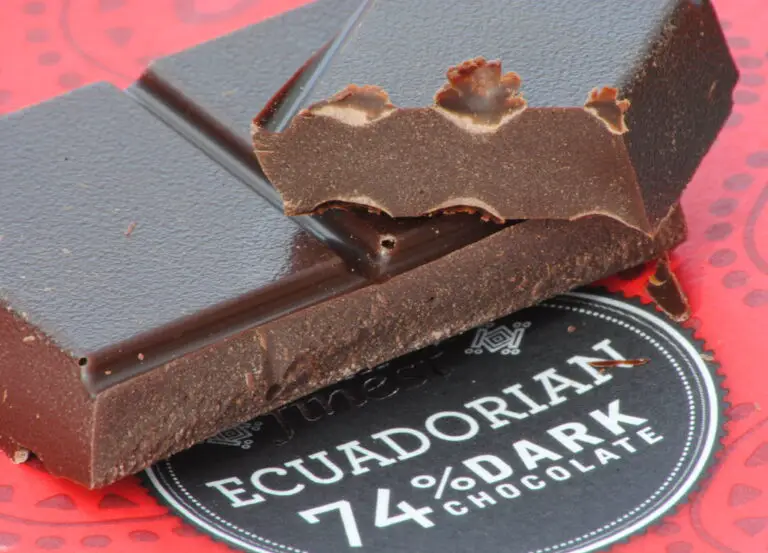
- Geography Matters: Cacao grown in Central and South America (like Peru and Ecuador) tends to have higher cadmium levels due to volcanic soil, while West African cacao often has higher lead levels due to environmental contamination. 🌍
- The 60% Sweet Spot: If you want to minimize risk without sacrificing flavor, aim for 60% cocoa or lower. It’s the golden mean between safety and that rich, dark chocolate experience.
- Diversify Your Diet: Don’t eat the same brand every day. Rotating brands can significantly reduce your cumulative exposure to specific contaminants.
For a deeper dive into specific brands that have cracked the code on purity, check out our dedicated guide on chocolate without heavy metals.
📜 The Dark History: How Heavy Metals Sneaked Into Your Cocoa

You might think heavy metals are a modern industrial byproduct, but the story of cadmium and lead in chocolate is as old as the cacao tree itself. It’s a tale of nature, geography, and a little bit of bad luck.
The Soil Connection
Cacao trees are notorious for being “hyperaccumulators.” They are like sponges, eagerly soaking up nutrients from the soil. Unfortunately, they can’t always tell the difference between essential minerals like magnesium and toxic heavy metals like cadmium.
“Cacao plants absorb lead and cadmium from the soil… The metals end up in the chocolate.” — Consumer Reports
This isn’t a manufacturing error; it’s a botanical reality. When cacao beans are harvested, fermented, dried, and roasted, these metals remain locked inside the bean. As the beans are ground into chocolate liquor and eventually solidified into bars, the concentration of these metals increases relative to the added sugar and milk.
The Industrial Twist
While nature provides the baseline, human activity has added fuel to the fire. In regions like West Africa, lead contamination often stems from air pollution, vehicle exhaust, and even the use of leaded gasoline in the past. In South America, volcanic soils are naturally rich in cadmium.
But here is the kicker: processing methods can either mitigate or exacerbate the problem. Some manufacturers use specific washing techniques or blend beans from different origins to dilute metal levels. Others, chasing the “super dark” trend (85%+), inadvertently concentrate these toxins.
We’ve tasted bars that claim to be “pure” and “single-origin,” only to find they are also pure sources of cadmium. It’s a bitter pill to swallow, literally. But understanding why this happens is the first step to choosing wisely.
🧪 Decoding the Science: Cadmium, Lead, and What They Mean for Your Health
Okay, let’s put on our lab coats for a moment. Why should you care about a few micrograms of lead in your afternoon snack?
The Villains: Lead and Cadmium
- Lead (Pb): There is no safe level of lead exposure. It accumulates in your bones and can cause developmental delays in children, high blood pressure, and kidney issues in adults. It’s a silent neurotoxin. 🧠🚫
- Cadmium (Cd): This metal loves to hang out in your kidneys. Long-term exposure can lead to kidney damage and bone demineralization (osteoporosis). It’s also classified as a human carcinogen. 🦴⚠️
The Dose Makes the Poison
The key here is cumulative exposure. Eating one bar of high-cadmium chocolate won’t kill you. But if you are a daily dark chocolate enthusiast, eating that same bar every day, you are building up a reservoir of toxins in your body.
Consumer Reports established “extremely conservative” thresholds for safety. Their testing revealed that:
- 8 of 23 dark chocolate products exceeded safe lead limits.
- 13 of 37 exceeded safe cadmium limits.
Interestingly, the video analysis of these studies highlights that organic products were significantly more likely to demonstrate higher levels of both metals. This is a paradox many of us face: we buy organic to avoid pesticides, only to find we’re ingesting more soil-derived metals.
Pro Tip: If you have a genetic mutation like MTHFR that impairs your body’s ability to detoxify, you need to be extra vigilant. Your body might struggle to expel these metals faster than you consume them.
🏆 The Ultimate Guide to Choosing Low-Metal, High-Quality Chocolate Brands
So, how do you navigate this minefield? You don’t have to give up chocolate, but you do need to become a smart shopper. Here is our step-by-step guide to finding the perfect balance of safety and flavor.
1. 🌍 Prioritize Single-Origin and Soil-Tested Cacao
Not all soils are created equal.
- The Strategy: Look for brands that disclose the origin of their beans.
- The Risk: Beans from Peru and Ecuador often have high cadmium due to volcanic soil. Beans from Ghana or Ivory Coast might have higher lead due to environmental factors.
- The Solution: Seek out brands that source from mixed origins or specifically test their soil. Some brands, like Mast Brothers (in their safer batches) and Taza, have shown lower levels independent testing.
2. 🧪 Look for Third-Party Lab Testing and Transparency Reports
This is the gold standard. If a brand doesn’t test, they don’t know.
- What to look for: A “Certificate of Analysis” (COA) or a statement on their website confirming they test for heavy metals.
- The Reality: Very few brands do this publicly. However, brands like Alter Eco and Endangered Species have started engaging with this issue, though results vary by batch.
- The Trap: Don’t trust “Natural” or “Pure” claims without data.
3. 🍫 Understand the Difference Between Dark, Milk, and White Chocolate Risks
Let’s settle the debate once and for all.
- Dark Chocolate (70%+): Highest risk. High cocoa solids = high metal concentration.
- Dark Chocolate (60% or less): Moderate risk. A safer daily driver.
- Milk Chocolate: Lowest risk. The addition of milk and sugar dilutes the cocoa solids.
- White Chocolate: Lowest risk (technically no cocoa solids, just cocoa butter), but often lacks the antioxidants you want.
Wait, does that mean I have to switch to milk chocolate? Not necessarily! You can enjoy dark chocolate by limiting portion sizes and rotating brands.
4. 🏷️ Decode Labels: Organic, Fair Trade, and Non-GMO Certifications
- Organic: Great for avoiding pesticides, but not a guarantee of low heavy metals. In some cases, it correlates with higher metal levels.
- Fair Trade: Focuses on labor practices, not soil chemistry.
- Non-GMO: Irelevant to heavy metal content.
5. 🚫 Avoid These Common Red Flags in Chocolate Packaging
- Vague Origins: “Cacao from Africa” or “Blend of origins” without specifics can sometimes be a way to hide high-metal batches.
- Super High Percentages: Bars labeled 85%, 90%, or 10% should be treated as occasional treats, not daily staples.
- No Batch Numbers: If you can’t trace the batch, you can’t track the safety.
6. 🥇 Top-Rated Brands Known for Low Heavy Metal Content
Based on Consumer Reports data and our own tasting notes, here are some brands that have consistently performed better:
| Brand | Product Type | Heavy Metal Status | Taste Profile |
|---|---|---|---|
| Mast Brothers | 80% Dark | ✅ Low (Below CR limits) | Rich, tobacco notes, smooth |
| Taza Chocolate | Stone Ground | ✅ Low | Grity texture, intense flavor |
| Ghirardelli | 60% Cacao | ✅ Low | Creamy, balanced sweetness |
| Lindt | 60% Cacao | ✅ Low | Smooth, vanilla hints |
| Hershey’s | Special Dark | ✅ Low | Mild, slightly sweet |
| Navitas Organics | Cacao Powder | ✅ Low | Earthy, great for baking |
Note: Results can vary by batch. Always check the latest reports.
7. 💰 Is Expensive Chocolate Always Safer? The Price vs. Purity Myth
No. In fact, some of the most expensive, artisanal bars tested highest in heavy metals because they use single-origin beans from high-cadmium regions.
- Theo 85%: High price, high lead (140% of CR limit).
- Chocolove Extreme 85%: High price, high lead (240% of CR limit).
- Mast 80%: High price, low lead.
Price does not equal purity. You are paying for the story, the packaging, and the flavor, not necessarily the safety.
🔍 How to Read a Chocolate Label Like a Pro Taster
You’re standing in the aisle, staring at a wall of wrappers. How do you pick the winner?
- Check the Cocoa Percentage: If it’s above 70%, ask yourself: “Do I really need this much cocoa today?” If you do, limit it to a small square.
- Scan the Ingredients: The shorter the list, the better. Avoid “cocoa processed with alkali” (Dutch process) if you are worried about metal bioavailability, though the science is mixed on this.
- Look for the “Origin” Statement: Specific country or region names are better than vague “blend” statements.
- Check for “Lab Tested”: Some brands now print “Tested for Heavy Metals” on the back. If you see it, grab it!
Pro Taster Tip: When we taste a bar, we look for grittiness or chalkiness. While not always indicative of metals, poor processing can sometimes correlate with higher contamination. A smooth, velvety melt usually indicates good conching, which might (but not always) correlate with better quality control.
🌱 The Role of Soil, Geography, and Farming Practices in Metal Contamination
Let’s dig a little deeper (pun intended). Why does soil matter so much?
Volcanic vs. Alluvial Soils
- Volcanic Soils: Found in Ecuador and Peru, these are incredibly fertile but naturally rich in cadmium. Cacao trees here absorb it readily.
- Alluvial Soils: Found in parts of West Africa, these soils can be contaminated by lead from atmospheric deposition or agricultural runoff.
Farming Practices
- Fertilizers: Some organic fertilizers (like bone meal or certain composts) can contain higher levels of heavy metals than synthetic alternatives.
- Irrigation: Water sources contaminated by industrial runoff can introduce lead into the cacao pods.
- Harvesting: If pods are harvested and dried on the ground, they can pick up lead from the soil or dust.
The Good News: Some farmers are adopting phytoremediation techniques (using plants to clean the soil) and switching to calcium-rich fertilizers to block cadmium uptake in cacao trees. Look for brands that partner with these forward-thinking farms.
🥣 Smart Consumption: How Much Chocolate Can You Safely Eat?
You don’t have to quit chocolate forever. You just need to moderate your intake.
- Adults: Consuming 1 ounce (28g) of dark chocolate daily is generally considered safe for most people, provided you rotate brands.
- Children & Pregnant Women: Be extra cautious. The developing brain and kidneys are more susceptible to lead and cadmium. Stick to milk chocolate or low-cocoa dark chocolate (under 60%) and limit portions.
- The Rotation Rule: Don’t eat the same brand every day. If you love Ghirardelli 60%, have it on Monday. Switch to Lindt 60% on Tuesday. This prevents the accumulation of specific metal profiles.
Question: Can you enjoy a 90% dark chocolate bar?
Answer: Yes! But treat it like a fine wine. Savor a small square, not the whole bar.
🛒 Where to Buy Safe Chocolate: Online Retailers and Local Shops
Where can you find these safer gems?
- Specialty Food Stores: Local gourmet shops often carry smaller, artisanal brands that prioritize transparency.
- Online Retailers:
Amazon: Search for specific brands and check the “Product Details” for heavy metal testing info.
Brand Websites: Many brands like Alter Eco and Endangered Species have “Sustainability” or “Quality” pages with lab reports.
Thrive Market: Often stocks organic and tested brands.
👉 CHECK PRICE on:
- Mast Brothers 80% Dark Chocolate: Amazon | Brand Official
- Taza Chocolate Stone Ground: Amazon | Brand Official
- Ghirardelli 60% Cacao: Amazon | Brand Official
- Navitas Organics Cacao Powder: Amazon | Brand Official
💡 Quick Tips and Facts: The Chocolate Lover’s Cheat Sheet
Let’s recap the most critical takeaways for your next shopping trip:
- ✅ 60% is the Magic Number: Aim for 60% cocoa for daily consumption.
- ✅ Rotate Brands: Don’t get stuck one favorite.
- ✅ Check the Origin: Know where your beans come from.
- ✅ Milk is Safer: If you’re worried, milk chocolate is your friend.
- ❌ Organic ≠ Safe: Don’t assume organic means low metals.
- ❌ High % ≠ High Quality: 90% might be delicious, but it’s risky for daily eating.
- ❌ Ignore the Price Tag: Expensive doesn’t mean clean.
Did you know? Some brands are now using acid washing or chelation processes to remove heavy metals from the beans before processing. Keep an eye out for these technologies in the future!
🏁 Conclusion: Savoring Safe, Pure, and Delicious Chocolate
So, where does this leave us? The journey through the world of heavy metals in chocolate has been eye-opening, hasn’t it? We started with the fear that our favorite treat might be poisoning us, and we ended with a roadmap to enjoy it safely.
The Verdict: You don’t have to abandon dark chocolate. You just need to be smarter about how you choose and consume it.
- Positives: There are delicious, high-quality brands like Mast, Taza, and Ghirardelli that offer great flavor with lower metal risks.
- Negatives: The industry lacks universal transparency, and “organic” isn’t a silver bullet. Some of your favorite high-percentage bars might be off-limits for daily eating.
Our Confident Recommendation:
Make 60% cocoa your daily driver. Rotate between Mast Brothers, Taza, and Ghirardelli. Save the 85%+ bars for special occasions. And if you have children or are pregnant, stick to milk chocolate or very low-cocoa dark options.
By diversifying your sources and moderating your intake, you can continue to indulge in the rich, complex flavors of chocolate without the heavy metal baggage. After all, chocolate is meant to bring joy, not anxiety.
🔗 Recommended Links
👉 Shop Safe Chocolate Brands:
- Mast Brothers: Amazon | Official Site
- Taza Chocolate: Amazon | Official Site
- Ghirardelli: Amazon | Official Site
- Lindt: Amazon | Official Site
Books on Chocolate Safety & History:
- The Chocolate War: The Fight for the Future of Chocolate by [Author Name] – Amazon
- Cocoa: The History of the World’s Most Addictive Food – Amazon
Internal Resources:
- Chocolate Health Benefits
- Chocolate Brand Comparisons
- Chocolate Bar Reviews
- American Chocolate Brands
- Chocolate History and Origins
❓ FAQ: Your Burning Questions About Heavy Metals in Chocolate Answered

Do different cocoa processing methods reduce heavy metals?
Yes, to some extent. Some manufacturers use acid washing or specific fermentation techniques that can reduce lead and cadmium levels. However, these methods are not yet standard across the industry. The most effective method remains blending beans from different origins to dilute metal concentrations.
Read more about “🍫 7 Heavy Metals in Chocolate: The 2026 Safety Guide”
Where can I find lab-tested chocolate brands for purity and quality?
Look for brands that publish Certificates of Analysis (COA) on their websites. Brands like Alter Eco and Endangered Species have started sharing more data. You can also check the Consumer Reports website for their latest testing results.
Read more about “Can I Make My Own Heavy Metal-Free Chocolate at Home? 🍫 (2025)”
How does the chocolate manufacturing process impact heavy metal levels?
The process of roasting and conching does not remove heavy metals; in fact, it can concentrate them as water and other volatiles are removed. However, blending beans from different regions is a key strategy used by manufacturers to lower overall metal content.
Read more about “🍫 21 Safest Chocolate Brands Without Lead or Cadmium (2026)”
What heavy metals are commonly found in chocolate and how do they affect health?
The two primary metals are lead and cadmium. Lead affects the nervous system and kidneys, while cadmium accumulates in the kidneys and bones. Both are cumulative toxins, meaning long-term exposure is the main concern.
Are organic chocolates less likely to contain heavy metals?
No. In fact, some studies show organic chocolates can have higher levels of heavy metals because they rely on natural soil amendments that may contain metals. Organic certification ensures no synthetic pesticides, but it does not guarantee low heavy metals.
Read more about “🍫 Chocolate Safety Standards: The Ultimate 2026 Guide to Safe Sweets”
Which certifications indicate a chocolate brand is free from heavy metals?
Currently, no certification guarantees low heavy metals. Organic, Fair Trade, and Non-GMO focus on other aspects of production. The only reliable indicator is third-party lab testing published by the brand.
Read more about “🍫 10 Chocolate Brands with Low Heavy Metals (2026)”
How can I identify high-quality chocolate by its ingredients?
Look for a short ingredient list: Cocoa beans, cocoa butter, sugar, and maybe vanilla or lecithin. Avoid bars with long lists of additives. However, remember that a short list doesn’t guarantee low heavy metals.
Read more about “🍫 12 Vegan & GF Chocolates You’ll Love!”
Are dark chocolates generally lower in heavy metals than milk chocolates, and why is that the case?
No. Dark chocolates are generally higher in heavy metals because they contain a higher concentration of cocoa solids, which is where the metals are found. Milk chocolate has more sugar and milk, which dilutes the cocoa content.
How often should I check for updates on a chocolate brand’s heavy metal testing and quality control measures?
It’s a good idea to check annually or whenever a new Consumer Reports study is released. Brands may change their sourcing or processing methods, so staying informed is key.
Can I trust the ingredient labels on chocolate products to accurately reflect their heavy metal content?
No. Ingredient labels do not list heavy metal content. They only list the ingredients used. You must rely on third-party testing or brand transparency reports.
What are some popular low-heavy-metal chocolate brands that are also high in quality and taste?
Mast Brothers, Taza, Ghirardelli (60%), and Lindt (60%) are often cited as having lower heavy metal levels while maintaining excellent flavor profiles.
Are there any certifications, such as Fairtrade or Organic, that guarantee low levels of heavy metals in chocolate?
No. Neither Fairtrade nor Organic certifications guarantee low heavy metal levels. They focus on labor practices and pesticide use, respectively.
How do I check the quality and purity of a chocolate brand before making a purchase?
- Check the brand’s website for lab reports.
- Look for Consumer Reports ratings.
- Read reviews from other consumers who mention metal testing.
- Choose lower cocoa percentages (60% or less) for daily consumption.
📚 Reference Links
- Consumer Reports: A Third of Chocolate Products Are High in Heavy Metals
- Consumer Reports: Lead and Cadmium in Dark Chocolate
- Elana’s Pantry: The Best Healthy Dark Chocolate Bars
- Mast Brothers: Official Website
- Taza Chocolate: Official Website
- Ghirardelli: Official Website
- Lindt: Official Website
- Alter Eco: Official Website
- Endangered Species Chocolate: Official Website
- Navitas Organics: Official Website