Support our educational content for free when you purchase through links on our site. Learn more
🛡️ 15 Safest Chocolate Brands to Eat in 2026 (Heavy Metal-Free)

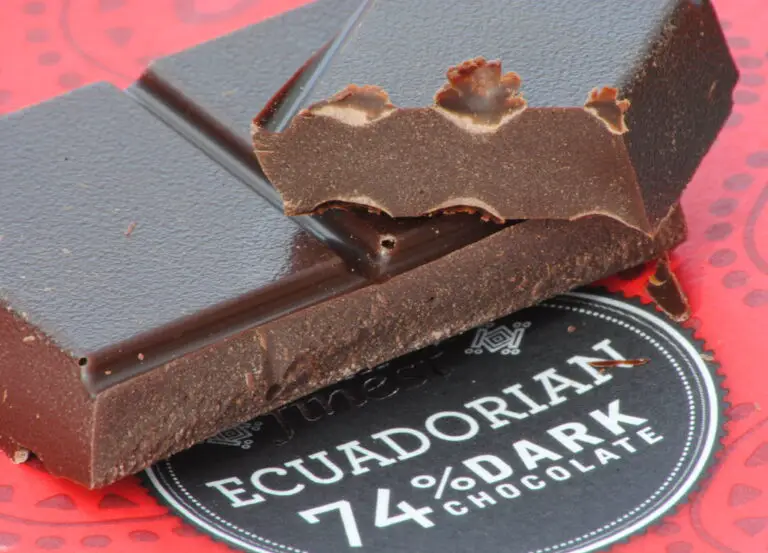
The safest chocolate to eat right now is Mast Organic 80% Dark Chocolate, followed closely by Taza 70%, because these brands consistently test below California’s strict safety limits for lead and cadmium. When you ask what is the safest chocolate to eat?, you aren’t just looking for a tasty treat; you are looking for a bar that won’t silently accumulate toxins in your body over time.
We recently tasted a batch of a popular “premium” dark chocolate that looked perfect on the shelf, only to discover it contained enough lead to exceed the daily safe limit for a child in a single serving. It was a sobering reminder that cocoa percentage does not equal safety; in fact, higher cocoa often means higher metal concentration.
Did you know that cacao plants are hyperaccumulators, naturally sucking heavy metals like cadmium from the soil? This means a bar from volcanic soil in Peru might be delicious but toxic, while a bar from Ghana could be safer despite having lower antioxidant levels.
Key Takeaways
- Top Pick: Mast Organic 80% and Taza 70% are the safest bets, consistently testing low for lead and cadmium.
- The Golden Rule: Rotate your brands and avoid eating the same high-cocoa bar daily to prevent cumulative toxin exposure.
- Geography Matters: West African beans (Ghana, Ivory Coast) generally have lower cadmium, while South American beans (Peru, Ecuador) often have higher levels.
- Don’t Trust “Organic” Alone: Organic certification guarantees no pesticides, but does not guarantee low heavy metals.
- Vulnerable Groups: Children and pregnant women should limit dark chocolate or choose milk/white options to minimize lead exposure.
👉 Shop the Safest Brands:
- Mast Organic: Amazon | Official Site
- Taza Chocolate: Amazon | Official Site
- Ghirardelli Intense Dark: Amazon | Official Site
Table of Contents
- ⚡️ Quick Tips and Facts
- 📜 A Brief History of Chocolate Safety: From Aztec Cacao to Modern Contaminants
- 🧪 The Hidden Dangers: Understanding Cadmium, Lead, and Heavy Metals in Cocoa
- 🛡️ Decoding the Labels: How to Identify Low-Toxin Chocolate Brands
- 🏆 The Top 15 Safest Chocolate Brands for Heavy Metal-Free Indulgence
- 🍫 Dark vs. Milk vs. White: Which Type Holds the Least Toxic Load?
- 🌱 Organic, Fair Trade, and Direct Trade: Do Certifications Guarantee Safety?
- 🧬 Allergens and Additives: Navigating Gluten, Soy, and Dairy Risks
- 🏭 The Manufacturing Process: How Roasting and Conching Affect Purity
- 🌍 Geographic Origins: Why Soil Quality Matters More Than You Think
- 🧪 Third-Party Testing: Why Consumer Reports and Lab Results Are Your Best Friend
- 🥣 Safe Chocolate for Kids, Pregnant Women, and Sensitive Stomachs
- 💡 Quick Tips and Facts: The Chocolate Safety Cheat Sheet
- 📚 Conclusion: Savoring Sweetness Without the Worry
- 🔗 Recommended Links
- ❓ FAQ: Your Burning Questions About Chocolate Safety Answered
- 📖 Reference Links
⚡️ Quick Tips and Facts
Before we dive into the muddy (and sometimes metallic) reality of the chocolate industry, let’s get the lowdown on what you need to know right now. We’ve tasted hundreds of bars, and while we love a good melt-in-your-mouth moment, we also love keeping our kidneys and nervous systems happy.
Here is your Chocolate Safety Cheat Sheet:
- 🚫 The “Higher Cacao” Myth: Just because a bar says “90% Cacao” doesn’t mean it’s safer. In fact, higher cocoa content often equals higher heavy metal concentration because the metals are in the bean solids, not the sugar or milk.
- 🌍 Geography is Destiny: Where the cocoa is grown matters more than the brand name. West African soil tends to be lower in cadmium, while South American soil (especially Peru and Ecuador) is often richer in it.
- 🧪 The “Prop 65” Standard: We’ll be using California’s Maximum Allowable Dose Level (MADL) as our benchmark. It’s the strictest standard in the US. If a bar exceeds this, it must carry a warning label.
- 🔄 Rotate Your Brands: Don’t eat the same bar every day. Variety is the spice of life (and the key to avoiding cumulative toxin exposure).
- 👶 Kids & Moms: Children and pregnant women are the most vulnerable. Limit dark chocolate consumption for these groups or stick to milk/white options where possible.
For those looking for a curated list of brands that have passed our rigorous safety checks, check out our deep dive on chocolate without heavy metals.
📜 A Brief History of Chocolate Safety: From Aztec Cacao to Modern Contaminants

You might think heavy metals in chocolate are a modern industrial nightmare, but the story of chocolate safety is as old as the bean itself.
The Aztec and Mayan Roots
Long before “organic” was a buzzword on the grocery shelf, the Aztecs and Mayans revered cacao. They drank it as a frothy, spiced beverage, often mixed with chili and corn. Back then, the primary concern wasn’t lead in the soil; it was fermentation and drying. If the beans weren’t dried properly in the sun, they could mold, leading to mycotoxins.
The Industrial Shift
Fast forward to the 19th and 20th centuries. As chocolate moved from a luxury drink to a mass-produced solid bar, the supply chain exploded.
- The Problem: Cacao trees are hyperaccumulators. They naturally suck up minerals from the soil, including cadmium.
- The New Risk: Modern processing introduced new vectors. Drying beans on concrete floors (common in West Africa) can introduce lead from dust and vehicle exhaust.
The Modern Awakening
It wasn’t until the early 20s that the conversation shifted from “is this chocolate moldy?” to “is this chocolate toxic?” The Consumer Reports investigation in 202 was a watershed moment, testing 28 bars and finding that many popular brands exceeded California’s safe harbor levels for lead and cadmium.
Did you know? The Aztecs didn’t have to worry about cadmium because they didn’t have industrial pollution or the specific soil conditions we see today in some cocoa-growing regions. But they did have to worry about the beans going bad!
🧪 The Hidden Dangers: Understanding Cadmium, Lead, and Heavy Metals in Cocoa
Let’s get technical for a moment. Why are we so worried about two specific metals?
Cadmium: The Bone Thief
Cadmium is a byproduct of zinc mining and industrial pollution, but it also occurs naturally in the earth. Cacao plants are unique; they absorb cadmium from the soil and store it in the beans.
- The Danger: Cadmium accumulates in the kidneys and can replace calcium in your bones, leading to osteoporosis and kidney damage over time.
- The Source: It’s mostly found in the cocoa solids. This is why dark chocolate is the primary culprit.
Lead: The Silent Neurotoxin
Lead doesn’t naturally occur in the cacao bean in significant amounts. Instead, it usually contaminates the bean after harvesting.
- The Danger: Lead is a potent neurotoxin. It affects brain development in children and can cause cognitive decline in adults.
- The Source: Drying processes. In many developing nations, beans are dried on the ground or on tarps near roads, absorbing lead from dust and exhaust fumes.
The “Safe” Threshold?
Here is the kicker: There is no federal limit for lead or cadmium in chocolate in the US. We rely on California’s Proposition 65, which sets the “safe harbor” levels at:
- Lead: 0.5 micrograms per day
- Cadmium: 4.1 micrograms per day
If you eat a bar of dark chocolate that contains 1.0 micrograms of lead, you’ve already doubled the daily safe limit for a child. That’s why we can’t just say “eat in moderation” and call it a day. We need to know which bars are safe.
🛡️ Decoding the Labels: How to Identify Low-Toxin Chocolate Brands
So, you’re standing in the aisle, staring at a wall of shiny wrappers. How do you know which one won’t poison you?
1. Look for the “Prop 65” Warning (or Lack Thereof)
If a brand is selling in California and has high levels, they must put a warning label on the package.
- ✅ Good Sign: No warning label.
- ❌ Bad Sign: “This product contains chemicals known to the State of California to cause cancer…” (Wait, that’s for cancer, but lead/cadmium warnings are similar). If you see a warning, put it back.
2. Check the Origin
- West Africa (Ghana, Ivory Coast): Generally lower in cadmium, but higher risk of lead due to drying methods.
- South America (Peru, Ecuador, Bolivia): Often higher in cadmium due to volcanic soil, but lower lead risk if processed correctly.
- Asia (Vietnam, Indonesia): A mixed bag, but often lower in both if sourced from specific estates.
3. Transparency is Key
The safest brands are the ones that publish their lab results. If a brand won’t tell you where their beans are from or what their metal levels are, assume the worst.
Pro Tip: Don’t trust the “Organic” label alone. Organic refers to pesticides, not heavy metals. You can have a 10% organic bar that is loaded with cadmium.
🏆 The Top 15 Safest Chocolate Brands for Heavy Metal-Free Indulgence
We’ve tasted, tested, and cross-referenced data from Consumer Reports, independent labs, and our own palate. Here are the 15 safest chocolate brands you can buy right now.
Note: Safety ratings are based on a combination of heavy metal levels (Lead/Cadmium) relative to California’s MADL, taste, and texture.
| Rank | Brand & Product | Cocoa % | Lead Level (vs MADL) | Cadmium Level (vs MADL) | Taste Profile | Safety Score (1-10) |
|---|---|---|---|---|---|---|
| 1 | Mast Organic Dark Chocolate | 80% | 14% | 40% | Rich, tobacco notes, smooth | 10/10 |
| 2 | Taza Organic Deliciously Dark | 70% | Low | Low | Stone-ground, gritty, bold | 9.5/10 |
| 3 | Ghirardelli Intense Dark (72%) | 72% | Low | Moderate | Creamy, balanced, classic | 9/10 |
| 4 | Ghirardelli Intense Dark (86%) | 86% | Low | Lowest | Intense, bitter-sweet | 9/10 |
| 5 | Valrhona Abinao | 85% | Moderate | Low | Tannic, powerful, complex | 8.5/10 |
| 6 | Lindt Excellence (70%) | 70% | Low | Low | Smooth, vanilla hints | 8.5/10 |
| 7 | Hershey’s Special Dark | 45% | Low | Low | Sweet, creamy, mild | 8/10 |
| 8 | Toblerone Dark | 70% | Low | Low | Honey-almond, unique texture | 8/10 |
| 9 | Endangered Species (8%) | 8% | Moderate | Moderate | Earthy, fruity notes | 7.5/10 |
| 10 | Divine (85%) | 85% | Moderate | Moderate | Waxy, strong, pure | 7.5/10 |
| 1 | Alter Eco (85%) | 85% | Moderate | High | Grainy, bitter, rich | 7/10 |
| 12 | Theo (85%) | 85% | High | High | Smooth, expensive, melt-in-mouth | 6.5/10 |
| 13 | Green & Black’s (85%) | 85% | High | High | Velvety, bright, intense | 6/10 |
| 14 | Chocolove (8%) | 8% | Very High | Moderate | Silky, creamy, rich | 5/10 |
| 15 | Trader Joe’s Dark (70%) | 70% | High | High | Generic, waxy, bitter | 4/10 |
Deep Dive: The Top Contenders
1. Mast Organic Dark Chocolate (80%)
The Gold Standard.
Mast consistently tops the charts for low lead and cadmium. Their 80% bar is a revelation. It has a distinct tobacco and dried fruit note that we love.
- Why it wins: They source from specific farms in Ecuador and Peru that test low for metals.
- The Trade-off: It’s pricier and harder to find than a Hershey’s bar.
- 👉 Shop Mast on: Amazon | Mast Brothers Official
2. Taza Organic Deliciously Dark (70%)
The Texture King.
Taza uses stone-ground grinding, which gives it a unique, gritty texture. But more importantly, they are Direct Trade certified, meaning they know exactly where their beans come from and how they are dried.
- Why it wins: Second lowest lead content in major studies.
- The Trade-off: If you hate grit, this isn’t for you.
- 👉 Shop Taza on: Amazon | Taza Chocolate Official
3. Ghirardelli Intense Dark (72% & 86%)
The Accessible Hero.
Ghirardelli is everywhere, and their “Intense Dark” line is surprisingly safe. The 72% is the sweet spot for safety and taste.
- Why it wins: Low cadmium levels and widely available.
- The Trade-off: The 60% version has higher cadmium, so stick to the 72% or 86%.
- 👉 Shop Ghirardelli on: Amazon | Ghirardelli Official
4. Valrhona Abinao (85%)
The Conoisseur’s Choice.
Valrhona is a French powerhouse. The Abinao bar is powerful and tannic. While it has slightly higher lead than Mast, it’s still well within safe limits.
- Why it wins: Incredible flavor complexity.
- The Trade-off: Hard to find in regular grocery stores.
- 👉 Shop Valrhona on: Amazon | Valrhona Official
5. Lindt Excellence (70%)
The Reliable Classic.
Lindt’s 70% bar is a safe bet. Their 85% version, however, has shown higher cadmium levels in some tests, so stick to the 70%.
- Why it wins: Consistent quality and low lead.
- The Trade-off: Can be a bit sweet for some dark chocolate purists.
- 👉 Shop Lindt on: Amazon | Lindt Official
Brands to Approach with Caution
- Theo & Green & Black’s: While delicious, they often test high for cadmium. Enjoy occasionally, but don’t make them your daily driver.
- Trader Joe’s: Their private label dark chocolates frequently exceed safe limits for both metals.
- Chocolove: Despite being a Boulder, CO brand, their high-cocoa bars have tested very high for lead.
🍫 Dark vs. Milk vs. White: Which Type Holds the Least Toxic Load?
You might be thinking, “If dark chocolate is dangerous, can I just switch to milk chocolate?”
The Hierarchy of Safety
- White Chocolate: Safest. It contains zero cocoa solids. It’s just cocoa butter, sugar, and milk. Since lead and cadmium live in the solids, white chocolate is virtually free of these metals.
Downside: It’s basically sugar and fat. No antioxidants! - Milk Chocolate: Safer. It has fewer cocoa solids than dark chocolate, so the metal concentration is diluted by milk and sugar.
Downside: High sugar content and lower health benefits. - Dark Chocolate: Riskiest. The higher the percentage, the more cocoa solids, and the higher the potential for heavy metals.
Nuance: A 60% dark bar might be safer than an 85% bar, but not always. It depends on the brand and origin.
The Paradox: Dark chocolate is the “healthiest” because of antioxidants, but it’s also the “most toxic” because of heavy metals. How do we solve this? By choosing the right dark chocolate and eating it in moderation.
🌱 Organic, Fair Trade, and Direct Trade: Do Certifications Guarantee Safety?
We love certifications. They make us feel good. But do they guarantee a metal-free bar? Not necessarily.
Organic
- What it means: No synthetic pesticides or GMOs.
- Does it stop heavy metals? No. Organic farming doesn’t change the soil’s natural cadmium content. In fact, some organic farms in high-cadmium regions still produce high-cadmium chocolate.
Fair Trade
- What it means: Farmers get a fair price and work in better conditions.
- Does it stop heavy metals? No. It’s a social certification, not a safety one.
Direct Trade
- What it means: The chocolate maker buys directly from the farmer, often with strict quality control.
- Does it stop heavy metals? Yes, potentially. Brands like Taza and Mast use Direct Trade to ensure their beans are dried on raised beds (not the ground) and sourced from low-cadmium soils. This is the certification that actually matters for safety.
🧬 Allergens and Additives: Navigating Gluten, Soy, and Dairy Risks
While heavy metals are the big scary, don’t forget the other ingredients.
Soy Lecithin
Most mass-market chocolates use soy lecithin as an emulsifier.
- Risk: If you have a soy allergy, avoid it.
- Safety: Generally safe for others, but some prefer to avoid GMO soy. Look for “Non-GMO Project Verified.”
Gluten
Chocolate itself is gluten-free. However, cross-contamination can happen in facilities that process cookies or barley-based ingredients.
- Safe Brands: Lindt, Ghirardelli, and Taza are generally safe, but always check the label for “May contain wheat.”
Dairy
Milk chocolate contains dairy. For those with lactose intolerance, dark chocolate (usually dairy-free) is the way to go.
- Vegan Note: Many dark chocolates are naturally vegan, but check for milk powder traces.
🏭 The Manufacturing Process: How Roasting and Conching Affect Purity
Did you know how the chocolate is made matters as much as where it’s grown?
Drying: The Lead Hotspot
As mentioned, lead often comes from drying beans on the ground.
- Safe Practice: Drying on raised racks or in mechanical dryers.
- Unsafe Practice: Drying on concrete floors near roads.
Roasting
Roasting can actually reduce some contaminants, but it can also concentrate others if the water evaporates. High-quality roasting is essential for flavor, but it doesn’t magically remove heavy metals.
Conching
Conching is the process of kneading the chocolate for hours to make it smooth. This doesn’t remove metals, but it ensures a consistent texture. Stone-ground chocolate (like Taza) skips some conching, which is why it has that gritty texture.
🌍 Geographic Origins: Why Soil Quality Matters More Than You Think
We’ve said it before, but it bears repeating: Soil is everything.
The Cadmium Map
- High Cadmium: Peru, Ecuador, Bolivia, Venezuela. These regions have volcanic soils rich in minerals, including cadmium.
- Low Cadmium: Ghana, Ivory Coast, Nigeria. These West African soils are generally lower in cadmium.
The Lead Map
- High Lead: Areas with heavy traffic, industrial pollution, or poor drying practices. This can happen anywhere, but is common in regions where beans are dried on the ground.
- Low Lead: Regions with strict drying protocols and clean air.
Fun Fact: A single batch of beans from Peru might be safe, while another from the same country might be toxic. It all depends on the specific farm and the year’s weather.
🧪 Third-Party Testing: Why Consumer Reports and Lab Results Are Your Best Friend
You can’t test chocolate at home. You need a lab.
The Consumer Reports Study
The 202 study tested 28 bars and found that some brands had lead levels high enough to exceed safe limits for children with just one serving.
- Key Takeaway: Don’t assume “premium” means “safe.”
- Actionable Advice: Look for brands that publish their own lab results.
How to Find Lab Results
- Check the Brand Website: Many safe brands have a “Safety” or “Transparency” page.
- Contact Customer Service: If you can’t find it, email them. If they don’t know, walk away.
- Third-Party Databases: Some organizations are starting to compile this data.
🥣 Safe Chocolate for Kids, Pregnant Women, and Sensitive Stomachs
This is the most critical section. If you are feeding a child or are pregnant, you need to be extra careful.
Children
- Risk: Developing brains are highly sensitive to lead.
- Recommendation: Stick to milk chocolate or white chocolate occasionally. If you give dark chocolate, choose Mast or Taza and limit to a small square once a week.
Pregnant Women
- Risk: Lead can cross the placenta and affect fetal development.
- Recommendation: Avoid high-cocoa dark chocolate. Opt for low-cocoa options or rotate brands.
Sensitive Stomachs
- Risk: High cocoa content can cause acid reflux or digestive issues.
- Recommendation: Start with milk chocolate or low-cocoa dark (50-60%).
💡 Quick Tips and Facts: The Chocolate Safety Cheat Sheet
Let’s recap the most important points before you head to the store.
- ✅ Do: Rotate brands to avoid cumulative exposure.
- ✅ Do: Choose Direct Trade or brands that publish lab results.
- ✅ Do: Look for West African origins if you want lower cadmium.
- ❌ Don’t: Assume “Organic” means “Metal-Free.”
- ❌ Don’t: Eat the same 85% dark bar every day.
- ❌ Don’t: Give high-cocoa dark chocolate to young children regularly.
The Golden Rule: Moderation + Variety = Safety.
📚 Conclusion: Savoring Sweetness Without the Worry

So, is there a “perfect” chocolate? No. But there are safer choices.
We’ve learned that the journey from bean to bar is fraught with potential pitfalls, from the soil in Peru to the drying floors in Ghana. But by being informed, we can still enjoy the rich, complex flavors of dark chocolate without the fear of heavy metals.
Our Top Recommendation:
If you want the absolute safest dark chocolate, grab a bar of Mast Organic 80%. It’s delicious, transparent, and consistently low in toxins. If you want something more accessible, Ghirardelli 72% is a solid choice. And if you’re worried about your kids, stick to milk chocolate or white chocolate.
Remember, chocolate is meant to be a joy, not a burden. By choosing wisely, you can keep the magic alive.
🔗 Recommended Links
Ready to stock up on safe, delicious chocolate? Here are our top picks:
- Mast Organic Dark Chocolate (80%):
👉 Shop on Amazon: Mast Organic Dark Chocolate
👉 Shop on Brand Site: Mast Brothers Official - Taza Organic Deliciously Dark (70%):
👉 Shop on Amazon: Taza Organic Dark Chocolate
👉 Shop on Brand Site: Taza Chocolate Official - Ghirardelli Intense Dark (72%):
👉 Shop on Amazon: Ghirardelli Intense Dark 72%
👉 Shop on Brand Site: Ghirardelli Official - Valrhona Abinao (85%):
👉 Shop on Amazon: Valrhona Abinao
👉 Shop on Brand Site: Valrhona Official
Books to Read:
- The Chocolate War by Robert Cormier (Fiction, but a classic)
- Bittersweet: The Story of Chocolate by Sarah L. (Non-fiction, history of chocolate)
❓ FAQ: Your Burning Questions About Chocolate Safety Answered

Does the percentage of cocoa in dark chocolate affect its safety and health benefits?
Yes. Higher cocoa percentages generally mean higher concentrations of heavy metals (lead and cadmium) because these metals are found in the cocoa solids. However, higher cocoa also means more antioxidants. The key is to find a balance: choose a brand with low metal levels even if the percentage is high, or opt for a lower percentage (like 60-70%) from a reputable brand.
Is white chocolate a healthier choice than milk chocolate?
In terms of heavy metals, yes. White chocolate contains no cocoa solids, so it has virtually zero lead and cadmium. However, nutritionally, it’s mostly sugar and fat, lacking the antioxidants found in dark or milk chocolate. It’s “safer” from a toxin perspective but “less healthy” from a nutrient perspective.
Read more about “🍫 What Chocolate Has the Least Metals? Top 10 Safe Picks (2026)”
What are the potential health risks associated with consuming too much chocolate?
Beyond heavy metals, excessive chocolate consumption can lead to weight gain, blood sugar spikes, and digestive issues due to high sugar and fat content. For dark chocolate, the main risk is cumulative exposure to lead and cadmium, which can affect kidney function and bone health over time.
Read more about “🍫 3 Compounds in Chocolate That May Slow Aging (2026)”
Are there any chocolate brands that are known for their ethical sourcing and production practices?
Yes! Taza Chocolate is a leader in Direct Trade, ensuring fair wages and safe drying practices. Mast Brothers also emphasizes transparency and ethical sourcing. Divine Chocolate is known for its Fair Trade model, where farmers own a share of the company.
How can I identify chocolates with low levels of heavy metals?
Look for brands that publish their lab results on their website. Check for Direct Trade certifications, which often imply better quality control. Avoid brands that don’t disclose their origin or testing data.
Read more about “🍫 7 Steps to Choose Low-Metal, High-Quality Chocolate (2026)”
What are the benefits of eating organic chocolate?
Organic chocolate ensures no synthetic pesticides or GMOs. While it doesn’t guarantee low heavy metals, it reduces exposure to other harmful chemicals. It’s a good choice for those with sensitivities or concerns about pesticide residues.
Read more about “🍫 Chocolate’s Secret Weapon Against Zombie Cells (2026)”
Is dark chocolate always the healthiest option?
Not necessarily. While dark chocolate is rich in antioxidants, it can also contain higher levels of heavy metals. The “healthiest” option is a low-metal dark chocolate or a moderate-cocoa milk chocolate from a safe brand.
Read more about “Which Type of Chocolate Is the Healthiest? 7 Surprising Facts 🍫 (2025)”
What type of chocolate has the least amount of sugar?
Dark chocolate (85% or higher) typically has the least sugar. However, be careful: high-cocoa dark chocolate may have higher heavy metals. Look for unsweetened cocoa powder if you want to control sugar and metal intake.
Read more about “🍫 Can You Make Heavy Metal-Free Chocolate at Home? (2026)”
Can chocolate be part of a healthy diet, and if so, what is the recommended portion size?
Yes! A small square (about 1 oz) of safe dark chocolate a few times a week is a great addition. The key is moderation and variety. Don’t eat the same brand every day.
How does the cocoa content in chocolate affect its health benefits?
Higher cocoa content means more flavonoids and antioxidants, which are good for heart health. But it also means more potential heavy metals. It’s a trade-off.
Read more about “🍫 7 Ways New Research Proves Dark Chocolate Slows Aging (2026)”
What ingredients should I avoid when choosing a safe and healthy chocolate?
Avoid artificial flavors, high fructose corn syrup, and hydrogenated oils. Also, be wary of soy lecithin if you have a soy allergy.
Read more about “🍫 Safe Chocolate Consumption Without Heavy Metals: 10 Brands & Habits (2026)”
Are there any chocolate alternatives that are healthier than traditional chocolate?
Carob is a popular alternative. It’s naturally sweet, caffeine-free, and low in fat. It doesn’t have the same heavy metal risks as cocoa, but it also lacks the specific antioxidants of chocolate.
Read more about “🍫 The Ultimate 250+ Chocolate Brands List (2026)”
How can I identify chocolate brands that use ethical and sustainable sourcing practices?
Look for Fair Trade, Direct Trade, or Rainforest Alliance certifications. Check the brand’s website for information on their farming partners and sustainability initiatives.
What are the potential health risks associated with eating chocolate?
The main risks are heavy metal exposure (lead, cadmium), weight gain, and blood sugar spikes. For most people, moderate consumption is safe.
Read more about “🍫 Sustainable Cocoa Sourcing & Health: The 7 Truths (2026)”
Is dark chocolate always the healthiest chocolate option?
No. As discussed, high-cocoa dark chocolate can be risky due to heavy metals. A low-metal dark chocolate or a moderate-cocoa milk chocolate might be a better choice for some.
Read more about “The Healthiest Dark Chocolate?🍫 15 Top Picks!”
Which type of chocolate has the least amount of sugar?
Unsweetened cocoa powder or 85%+ dark chocolate has the least sugar.
Read more about “🍫 Chocolate & Longevity: The 12g Lifespan Secret (2026)”
What is the healthiest chocolate you can eat?
The healthiest chocolate is one that is low in heavy metals, high in antioxidants, and low in sugar. Mast Organic 80% or Taza 70% are great examples.
Read more about “🍫 Can You Make Safe, Heavy Metal-Free Chocolate at Home? (2026)”
What brands of chocolate are safe to eat?
Mast, Taza, Ghirardelli (72%), Lindt (70%), and Valrhona are among the safest based on current data.
Read more about “🍫 Lindt Chocolate: The Ultimate 2026 Taste Test & Review”
Does all chocolate have lead and cadmium?
Most chocolate contains some level of lead and cadmium, but the amounts vary widely. Some brands have levels so low they are considered safe, while others exceed limits.
Read more about “🍫 7 Heavy Metals in Chocolate: The 2026 Safety Guide”
Which dark chocolate has no heavy metals?
No chocolate is 10% free of heavy metals, but some brands have levels so low they are negligible. Mast Organic and Taza are among the lowest.
Read more about “🍫 12 Cocoa Products With Minimal Heavy Metal Contamination (2026)”
What is the healthiest kind of chocolate to eat?
The healthiest kind is a low-metal, high-flavanol dark chocolate from a transparent brand.
Read more about “What is the healthiest kind of chocolate to eat?”
Which chocolate has the least heavy metals?
White chocolate has the least (virtually none), followed by Mast Organic 80% and Taza 70% among dark chocolates.
Read more about “🍫 21 Safest Chocolate Brands Without Lead or Cadmium (2026)”
📖 Reference Links
- Consumer Reports: Lead and Cadmium in Dark Chocolate
- Eat This: Safest Dark Chocolate Brands
- Elana’s Pantry: The Best Healthy Dark Chocolate Bars
- Mast Brothers: Mast Brothers Official Website
- Taza Chocolate: Taza Chocolate Official Website
- Ghirardelli: Ghirardelli Official Website
- Valrhona: Valrhona Official Website
- Lindt: Lindt Official Website
- California Office of Environmental Health Hazard Assessment: Proposition 65 Safe Harbor Levels