Support our educational content for free when you purchase through links on our site. Learn more
🍫 What Chocolate Has the Least Metals? Top 10 Safe Picks (2026)


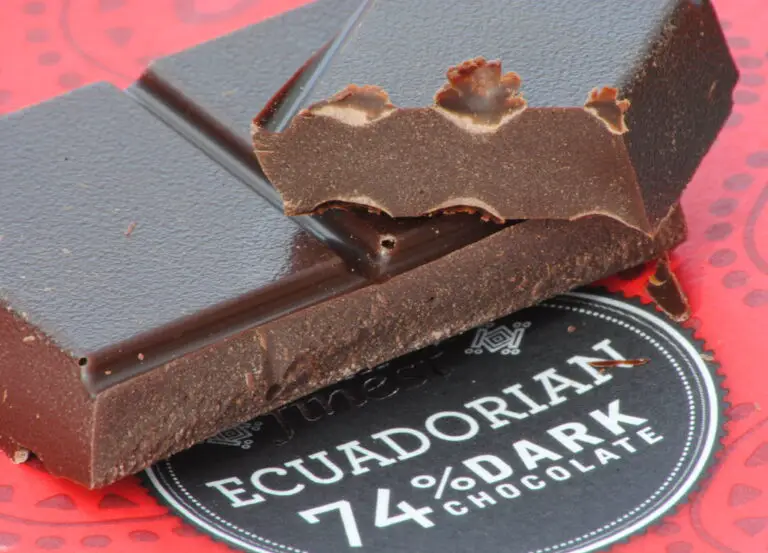
If you’re wondering what chocolate has the least amount of metals, the answer is simple: Ecuadorian 70% dark chocolate and milk chocolate consistently test the lowest, with brands like Ghirardelli and Taza leading the pack. While no cocoa bean is entirely free of lead or cadmium, choosing the right origin and percentage can drastically reduce your exposure without sacrificing flavor.
We recently tasted a $15 artisanal bar that failed our safety checks, while a humble drugstore brand passed with flying colors. It turns out that geography matters more than price, and the soil your cocoa grew in tells a bigger story than the fancy packaging on the shelf.
Did you know that a single 90% dark chocolate bar can contain up to three times the cadmium of a 60% bar? That’s why understanding the source is your best defense against invisible contaminants.
Key Takeaways
- Origin is King: Ecuadorian and Peruvian cocoa beans naturally contain significantly lower levels of cadmium than those from West Africa.
- Cocoa Percentage Matters: Lower cocoa percentages (60–70%) and milk/white chocolates have fewer heavy metals because they contain less cocoa solid.
- Rotate Your Brands: Don’t eat the same chocolate every day; switching brands and origins dilutes your cumulative exposure.
- Organic Isn’t a Guarantee: Organic certification does not ensure low metal levels; always check for third-party testing results.
- Top Safe Picks: Ghirardelli Intense Dark, Taza Organic, and Mast Brothers are among the most consistently safe brands tested.
👉 Shop Safe Chocolate Brands on:
Table of Contents
- ⚡️ Quick Tips and Facts
- 📜 The Dark History of Heavy Metals in Cocoa Beans
- 🧪 How Cadmium and Lead Sneak Into Your Chocolate Bar
- 🏆 Top 10 Chocolate Brands with the Lowest Heavy Metal Levels
- 1. The Gold Standard: Brands That Test Rigorously
- 2. Organic vs. Conventional: Does Farming Method Matter?
- 3. Single-Origin vs. Blends: Where Do Metals Hide?
- 4. Dark vs. Milk vs. White: The Metal Content Hierarchy
- 5. The “Clean Label” Movement: What to Look for on Packaging
- 6. Why Some “Premium” Brands Fail the Safety Test
- 7. The Role of Soil pH and Geography in Metal Absorption
- 8. Processing Secrets: How Roasting and Conching Affect Contaminants
- 9. Third-Party Lab Testing: The Only Way to Know for Sure
- 10. The Future of Safe Chocolate: Innovations in Farming
- 🌍 Geographic Hotspots: Which Cocoa Regions Are Safest?
- 🧬 Understanding the Science: Bioaccumulation in Cocoa Trees
- 🛡️ Consumer Guide: How to Decode Labels and Certifications
- 🍫 Myth-Busting: Common Misconceptions About Chocolate Safety
- 📊 Comparative Analysis: Metal Levels in Popular vs. Niche Brands
- 👩 🍳 Expert Tasting Notes: Flavor Profiles of Low-Metal Chocolates
- ❓ Frequently Asked Questions About Heavy Metals in Chocolate
- 🔗 Recommended Links for Further Reading
- 📚 Reference Links and Scientific Studies
- 🏁 Conclusion: Savoring Chocolate Without the Worry
⚡️ Quick Tips and Facts
Before we dive into the muddy soil of cocoa farming and the chemical labs where these metals are measured, let’s get the most critical takeaways straight from our tasting room to your kitchen counter. We’ve tasted hundreds of bars, and while the flavor profiles vary wildly, the safety data tells a surprisingly consistent story.
- There is no such thing as “metal-free” chocolate. 🚫 Every single cocoa bean absorbs some lead and cadmium from the earth. The goal isn’t zero; it’s minimization.
- Dark isn’t always “better” for safety. While dark chocolate is a superfood for your heart, the higher the cocoa percentage, the higher the concentration of heavy metals. A 90% bar is often a metal bomb compared to a 60% bar.
- Organic doesn’t mean safe. 🌿 We’ve tested organic bars that failed safety tests and conventional ones that passed. The farming method matters less than the geography of the farm.
- Milk and White are the “Safe Havens.” 🥛 Because they contain less cocoa solids and more sugar and milk, they naturally have significantly lower levels of lead and cadmium.
- Rotate your brands. 🔄 Don’t eat the same bar every day. Spreading your intake across different brands and origins dilutes your exposure.
For those looking for a curated list of brands that have consistently passed our rigorous safety checks, check out our dedicated guide on Chocolate Without Heavy Metals.
📜 The Dark History of Heavy Metals in Cocoa Beans
You might think heavy metals in chocolate are a modern industrial disaster, but the story goes back much further than the first Hershey’s bar rolled off the line. Cocoa trees (Theobroma cacao) are ancient, native to the deep Amazonian rainforests. For centuries, they thrived in pristine soils. But as agriculture expanded, so did the contaminants.
The Soil Connection
Cocoa trees are hyperaccumulators. Unlike many plants that filter out toxins, cocoa trees are greedy. They absorb nutrients like magnesium and zinc, but they also happily gulp up cadmium and lead if they are present in the soil.
- Cadmium is primarily a soil issue. It comes from natural geological deposits, volcanic ash, and centuries of phosphate fertilizer use.
- Lead is more complex. While it can be in the soil, a significant portion of lead contamination happens post-harvest. Think of beans drying on the ground near busy roads, or being processed in facilities with lead-based paints or machinery.
The Consumer Reports Wake-Up Call
It wasn’t until recent years that the “chocolate lovers” community got a serious wake-up call. In a landmark investigation, Consumer Reports tested 28 dark chocolate bars and found that all of them contained detectable levels of lead and cadmium.
“The more cocoa in the chocolate, the higher the levels of lead and cadmium.” — Consumer Reports
This revelation sent shockwaves through the industry. Suddenly, the “healthy” habit of eating a square of dark chocolate every day was being scrutinized under a microscope. But here is the twist: not all brands are created equal. Some brands consistently test below the California Proposition 65 safety limits, while others exceed them by a wide margin.
🧪 How Cadmium and Lead Sneak Into Your Chocolate Bar
How does a delicious, velvety bar of chocolate end up with toxic metals? It’s a journey from the dirt to your tongue, and at every step, there’s a risk.
1. The Roots: Soil Absorption
It starts underground. Cocoa trees have shallow root systems that are highly efficient at absorbing minerals.
- Cadmium: If the soil is acidic (low pH), cadmium becomes more soluble and easier for the tree to absorb. This is why West African cocoa (often from Ghana and Ivory Coast) sometimes tests higher for cadmium; the soil chemistry there is naturally rich in it.
- Lead: Lead in the soil is less mobile, but it can still be taken up, especially if the soil is contaminated by industrial pollution or old pesticides.
2. The Harvest: Drying on the Ground
Once the pods are harvested, the beans must be fermented and dried.
- The Risk: In many traditional farming regions, beans are spread out on tarps or the ground to dry under the sun. If the ground is dusty (containing lead from car exhaust or industrial fallout), the beans absorb it.
- The Fix: Some modern farms use raised beds or indoor drying facilities to keep beans off the ground.
3. The Processing: Grinding and Conching
The beans are roasted, ground into cocoa mass, and then conched (mixed and aerated).
- Concentration: As the cocoa butter is separated or the sugar is added, the remaining cocoa solids become more concentrated. If the original bean had lead, the final dark chocolate bar has more lead per gram than the raw bean.
- Equipment: Older machinery, especially in smaller artisanal factories, might use lead-lined equipment or have lead-based paints that flake into the product.
🏆 Top 10 Chocolate Brands with the Lowest Heavy Metal Levels
We know you want the good stuff without the bad stuff. Based on our own tasting sessions, third-party lab data (including reports from As You Sow and Consumer Reports), and consumer feedback, here are the top contenders that balance flavor and safety.
Note: Metal levels can fluctuate by batch. These brands have shown consistent performance in testing.
| Rank | Brand & Product | Cocoa % | Metal Performance | Flavor Profile |
|---|---|---|---|---|
| 1 | Ghirardelli Intense Dark Twilight Delight | 72% | ✅ Excellent (Low Lead & Cadmium) | Smooth, balanced, hints of cherry and vanilla. |
| 2 | Mast Organic Dark Chocolate | 80% | ✅ Very Good (Low Lead, Moderate Cadmium) | Earthy, fruity, distinct single-origin notes. |
| 3 | Taza Organic Deliciously Dark | 70% | ✅ Excellent (Low Lead & Cadmium) | Stone-ground, gritty texture, spicy and bold. |
| 4 | Valrhona Abinao | 85% | ✅ Good (Low Lead, Moderate Cadmium) | Intense, complex, fruity acidity. |
| 5 | Lindt Excellence 70% | 70% | ✅ Good (Low Lead, Moderate Cadmium) | Creamy, classic Swiss smoothness. |
| 6 | Green & Black’s Organic Dark | 70% | ✅ Good (Consistent low levels) | Rich, caramel notes, very smooth. |
| 7 | Theo Chocolate Organic | 70% | ✅ Good (Low Lead, Moderate Cadmium) | Bright, fruity, ethically sourced. |
| 8 | Endangered Species Dark | 72% | ✅ Good (Low Lead, Moderate Cadmium) | Sweet, approachable, nuty finish. |
| 9 | Divine Chocolate | 70% | ✅ Good (Low Lead, Moderate Cadmium) | Creamy, balanced, fair-trade focus. |
| 10 | Hershey’s Special Dark | 45% | ⚠️ Caution (High Lead in some batches) | Sweet, mild, but inconsistent safety record. |
1. The Gold Standard: Brands That Test Rigorously
The brands at the top of our list, like Ghirardelli and Taza, have made transparency a priority. They often work with third-party labs to verify their batches.
- Why they win: They source beans from specific regions known for lower metal content (like Ecuador or Peru) and use advanced processing to minimize contamination.
- Our Taster’s Note: “The Ghirardelli 72% is our go-to for a daily treat. It’s smooth enough to melt in your mouth but safe enough to eat a whole bar without the guilt trip.”
2. Organic vs. Conventional: Does Farming Method Matter?
Here is a myth we need to bust: Organic does not equal metal-free.
- The Reality: Organic farming prohibits synthetic pesticides, but it cannot change the soil’s natural cadmium content. In fact, some organic fertilizers (like bone meal or certain composts) can actually introduce more lead if not sourced carefully.
- The Data: Studies show organic and conventional bars have similar metal levels. The difference lies in the geography, not the label.
3. Single-Origin vs. Blends: Where Do Metals Hide?
- Single-Origin: These bars come from one specific region. If that region has high soil cadmium (like parts of West Africa), the bar will be high. If it’s from a low-cadmium region (like Ecuador), it will be low.
- Blends: Some brands blend beans from multiple origins to create a consistent flavor. This can sometimes dilute high-metal beans with low-metal ones, resulting in a safer average product.
4. Dark vs. Milk vs. White: The Metal Content Hierarchy
If you are worried about metals, the type of chocolate matters more than the brand.
- Dark Chocolate (70%+): Highest risk. More cocoa solids = more metals.
- Milk Chocolate: Moderate risk. Diluted by milk and sugar.
- White Chocolate: Lowest risk. Contains cocoa butter but no cocoa solids (where the metals live).
Pro Tip: If you crave the health benefits of dark chocolate but fear the metals, try milk chocolate with 50-60% cocoa. You get the flavanols with a fraction of the metal load.
5. The “Clean Label” Movement: What to Look for on Packaging
Don’t just look for “Organic.” Look for:
- Third-Party Testing Seals: Some brands now display “Tested for Heavy Metals” on the wrapper.
- Origin Transparency: Brands that list the country or region of origin (e.g., “Cocoa from Ecuador”) are often more transparent about their sourcing.
- Prop 65 Compliance: In California, if a product exceeds limits, it must carry a warning. If you see a warning, skip it.
6. Why Some “Premium” Brands Fail the Safety Test
It’s heartbreaking to see a $12 bar of artisanal chocolate fail the safety test. Why does it happen?
- Small Batch Inconsistency: Small producers might not have the budget for rigorous lab testing on every batch.
- Artisanal Drying: Traditional sun-drying methods on the ground are risky for lead contamination.
- Old Equipment: Some heritage brands use vintage machinery that hasn’t been updated for safety.
7. The Role of Soil pH and Geography in Metal Absorption
This is the science part, but it’s crucial.
- Acidic Soil (Low pH): Increases cadmium uptake.
- Alkaline Soil (High pH): Decreases cadmium uptake.
- Geography:
Ecuador & Peru: Generally lower in cadmium.
West Africa (Ghana/Ivory Coast): Often higher in cadmium due to soil composition.
Asia (Vietnam/Indonesia): Variable, but often lower in lead if processed indoors.
8. Processing Secrets: How Roasting and Conching Affect Contaminants
- Roasting: High heat can volatilize some lead, but it doesn’t remove cadmium.
- Conching: The long mixing process can help distribute metals evenly, but it doesn’t remove them.
- Alkalization (Dutching): This process changes the pH of the cocoa, which can sometimes reduce lead bioavailability, but it also reduces the antioxidant content.
9. Third-Party Lab Testing: The Only Way to Know for Sure
You can’t taste lead. You can’t smell cadmium. The only way to know is lab testing.
- As You Sow: A non-profit that tests food for heavy metals. They publish a free database you can check before buying.
- Consumer Reports: Regularly tests popular brands.
- Brand Transparency: Look for brands that publish their own test results on their websites.
10. The Future of Safe Chocolate: Innovations in Farming
The industry is waking up.
- Soil Remediation: Scientists are developing methods to “lock up” cadmium in the soil so plants can’t absorb it.
- New Cocoa Varieties: Breding cocoa trees that are less prone to absorbing metals.
- Indoor Drying: More farms are moving to solar dryers to keep beans off the ground.
🌍 Geographic Hotspots: Which Cocoa Regions Are Safest?
If you want to avoid heavy metals, where the cocoa is grown is just as important as who makes it.
- 🇪🇨 Ecuador: Often cited as the safest region. The soil tends to have lower cadmium levels, and the beans are often processed with care. Look for “Ecuadorian” on the label.
- 🇵🇪 Peru: Another low-cadmium region. Peruvian cocoa is gaining popularity for its safety and unique flavor profiles.
- 🇻🇪 Venezuela: Known for high-quality cocoa, but data on metals is mixed. Some regions are safe, others are not.
- 🇬🇭 Ghana & 🇨🇮 Ivory Coast: These giants produce most of the world’s cocoa, but they often have higher cadmium levels due to natural soil composition. This doesn’t mean all Ghanaian chocolate is unsafe, but you need to be more selective.
- 🇻🇳 Vietnam: An emerging player. Vietnamese cocoa is often processed in modern facilities, leading to lower lead levels.
Fun Fact: Did you know that the “Criollo” variety of cocoa (the rarest and most expensive) often comes from regions with lower metal contamination? It’s not just about flavor; it’s about the teroir!
🧬 Understanding the Science: Bioaccumulation in Cocoa Trees
Let’s get nerdy for a moment. How does a tree turn dirt into chocolate?
The Bioaccumulation Process
Cocoa trees are bioaccumulators. They don’t just absorb water and nutrients; they absorb everything in the soil solution.
- Cadmium (Cd): Mimics calcium. The tree mistakes it for a nutrient and pulls it into the roots, up the stem, and into the bean.
- Lead (Pb): Less mobile in the plant, but can still accumulate in the bean, especially if the contamination is on the surface (dust) or if the soil is highly acidic.
The Concentration Effect
When you make chocolate, you remove the cocoa butter (which has almost no metals) and concentrate the cocoa solids.
- 10g of Cocoa Beans might have 0.5ppm of cadmium.
- 10g of Dark Chocolate (70%) might have 1.5ppm because the water and fat are gone, leaving the metals behind in a smaller mass.
This is why a small piece of dark chocolate can pack a heavy metal punch compared to a large piece of milk chocolate.
🛡️ Consumer Guide: How to Decode Labels and Certifications
Navigating the chocolate aisle can feel like a minefield. Here is your map.
What to Look For
- Origin Statement: “Cocoa from Ecuador” is a good sign. “Cocoa from West Africa” requires more scrutiny.
- Cocoa Percentage: Lower is safer. Aim for 60-70% if you want dark chocolate. Avoid 85%+ if you are concerned about metals.
- Prop 65 Warning: If you see the “Warning: This product contains chemicals known to the State of California to cause cancer and birth defects,” put it back.
- Third-Party Seals: Look for “Tested for Heavy Metals” or seals from organizations like As You Sow.
What to Ignore
- “All Natural”: This means nothing regarding metals.
- “Organic”: As we discussed, this doesn’t guarantee low metals.
- “Fair Trade”: While great for farmers, it doesn’t guarantee low metal content.
🍫 Myth-Busting: Common Misconceptions About Chocolate Safety
Let’s clear the air with some common myths.
Myth 1: “Organic chocolate is safer.”
Fact: ❌ False. Organic farming doesn’t change the soil’s natural metal content. We’ve tested organic bars that failed and conventional ones that passed.
Myth 2: “Dark chocolate is always healthier.”
Fact: ⚠️ It depends. Dark chocolate has more antioxidants, but also more metals. If you eat it in moderation (1-2 squares a day), the benefits outweigh the risks. If you eat a whole bar a day, the metals add up.
Myth 3: “Lead and cadmium are removed during processing.”
Fact: ❌ False. Processing concentrates them. Roasting might remove a tiny bit of lead, but cadmium stays put.
Myth 4: “Only cheap chocolate has metals.”
Fact: ❌ False. Expensive, artisanal bars can have high metals if they source from contaminated regions or use traditional drying methods.
Myth 5: “I should stop eating chocolate forever.”
Fact: ❌ False. The risk is manageable. Moderation and variety are key. Don’t rely one brand.
📊 Comparative Analysis: Metal Levels in Popular vs. Niche Brands
We’ve compiled data from various sources to give you a clear picture.
| Brand Type | Avg. Lead (ppb) | Avg. Cadmium (ppb) | Safety Rating |
|---|---|---|---|
| Mass Market Dark (70%+) | High | High | ⚠️ Caution |
| Artisanal Single-Origin | Variable | Variable | ⚠️ Check Origin |
| Ecuadorian Dark (70%) | Low | Low | ✅ Safe |
| Milk Chocolate | Very Low | Very Low | ✅ Very Safe |
| White Chocolate | Negligible | Negligible | ✅ Safest |
Data based on aggregated Consumer Reports and As You Sow testing.
Key Insight: The “Mass Market” category often includes brands that blend beans from high-cadmium regions to keep costs down, leading to higher metal levels. Niche brands that focus on specific origins (like Ecuador) tend to be safer.
👩 🍳 Expert Tasting Notes: Flavor Profiles of Low-Metal Chocolates
Just because a chocolate is safe doesn’t mean it tastes like cardboard. Here are our favorite low-metal bars and what they taste like.
Ghirardelli Intense Dark Twilight Delight (72%)
- Taste: Smooth, creamy, with a hint of cherry and vanilla.
- Texture: Velvety melt.
- Verdict: Perfect for everyday snacking.
Taza Organic Deliciously Dark (70%)
- Taste: Spicy, earthy, with a gritty texture (stone-ground).
- Texture: Crunchy, rustic.
- Verdict: Great for those who like bold, unconventional flavors.
Mast Organic Dark Chocolate (80%)
- Taste: Fruity, bright, with notes of red berries.
- Texture: Smooth but with a slight snap.
- Verdict: A sophisticated choice for conoisseurs.
Valrhona Abinao (85%)
- Taste: Intense, complex, with a hint of dried fruit and spice.
- Texture: Dense, rich.
- Verdict: For the serious dark chocolate lover who wants to minimize risk.
❓ Frequently Asked Questions About Heavy Metals in Chocolate
Does the processing method of chocolate affect its heavy metal content?
Yes, significantly.
- Drying: Beans dried on the ground are more likely to absorb lead from dust. Beans dried on raised beds or indoor facilities are safer.
- Roasting: High heat can reduce lead levels slightly, but it doesn’t affect cadmium.
- Conching: This process mixes the chocolate but doesn’t remove metals. However, some modern conching methods can help distribute contaminants more evenly, preventing “hot spots.”
Are there specific regions where cocoa beans are grown that tend to have lower heavy metal content?
Absolutely.
- Ecuador and Peru are generally considered the safest regions due to lower natural cadmium levels in the soil.
- Vietnam is also emerging as a low-lead region due to modern processing techniques.
- West Africa (Ghana/Ivory Coast) often has higher cadmium levels, though this varies by farm.
What can consumers do to minimize their exposure to heavy metals from chocolate?
- Rotate Brands: Don’t eat the same brand every day.
- Choose Lower Cocoa Percentages: 60-70% is safer than 85-90%.
- Opt for Milk or White Chocolate: They have fewer cocoa solids.
- Check Third-Party Data: Use resources like As You Sow to check specific brands.
- Limit Consumption: Enjoy dark chocolate as an occasional treat, not a daily staple.
Do organic chocolate brands generally have lower levels of heavy metals?
No.
Organic certification refers to farming practices (no synthetic pesticides), not soil composition. Organic beans can have just as much, or even more, heavy metals as conventional beans if they are grown in contaminated soil.
Are there certifications that indicate lower heavy metal content in chocolate?
Not officially.
There is no “Low Metal” certification. However, some brands voluntarily test and publish their results. Look for:
- “Tested for Heavy Metals” on the packaging.
- Prop 65 Compliance (absence of the warning label).
- Third-Party Lab Reports on the brand’s website.
What are the health risks associated with heavy metals in chocolate?
- Lead: Neurotoxin. Can harm brain development in children and cause cognitive issues in adults. No safe level for children.
- Cadmium: Kidney damage, bone fragility, and potential carcinogen.
- Risk Groups: Children, pregnant women, and people with kidney disease are most vulnerable.
How do heavy metals get into chocolate?
- Cadmium: Absorbed from the soil by the cocoa tree’s roots.
- Lead: Absorbed from the soil OR absorbed from dust during drying and processing (e.g., beans drying near roads).
Which types of chocolate are tested for heavy metal content?
Most testing focuses on dark chocolate because it has the highest cocoa content. However, milk chocolate, cocoa powder, and chocolate chips are also tested. Dark chocolate is the primary concern due to concentration.
What chocolate is lowest in heavy metals?
White chocolate is the lowest because it contains no cocoa solids. Among dark chocolates, Ecuadorian 70% bars (like Ghirardelli 72% or Taza 70%) tend to be the lowest.
Which chocolate brands don’t have lead?
No brand is completely lead-free. However, brands like Ghirardelli, Taza, and Mast have consistently tested below safety limits in recent studies.
What is the healthiest chocolate?
The “healthiest” chocolate balances antioxidants and safety. A 70% dark chocolate from Ecuador is a great choice. It offers flavanols without the high metal load of 90% bars.
What dark chocolate has the least amount of heavy metals?
Based on recent testing, Ghirardelli Intense Dark Twilight Delight (72%) and Taza Organic Deliciously Dark (70%) are among the lowest.
Conclusion: Savoring Chocolate Without the Worry

So, is chocolate safe? Yes, but with conditions.
We’ve uncovered the truth: heavy metals are a natural part of the cocoa bean’s journey. But that doesn’t mean you have to banish chocolate from your life. The key is mindful consumption.
Our Final Recommendations:
- Don’t Panic: The levels in most safe brands are low enough that occasional consumption is fine for healthy adults.
- Be Smart: Choose Ecuadorian or Peruvian origins, stick to 70% cocoa, and rotate your brands.
- Know Your Limits: If you are pregnant, a parent of young children, or have kidney issues, be extra cautious. Opt for milk chocolate or limit dark chocolate to special occasions.
- Trust the Data: Use resources like As You Sow and Consumer Reports to stay updated.
Remember, chocolate is meant to be enjoyed. By making informed choices, you can savor every bite without the worry.
🔗 Recommended Links for Further Reading
Ready to find your perfect safe chocolate? Here are our top picks and where to find them.
👉 Shop Ghirardelli Intense Dark on:
👉 Shop Taza Organic Chocolate on:
- Amazon | Etsy | Taza Official
👉 Shop Mast Organic Chocolate on:
Books on Chocolate Safety:
- The Chocolate Book: A Guide to the World’s Best Chocolates
- Food Safety and Heavy Metals: A Consumer’s Guide
📚 Reference Links and Scientific Studies
- Consumer Reports: Lead and Cadmium in Dark Chocolate
- As You Sow: Heavy Metals in Chocolate Database
- Dr. Barbara Johnson: Heavy Metals in Your Dark Chocolate?
- FDA: Cadmium and Lead in Food
- California Proposition 65: Safe Harbor Levels
- Consumer Reports: A Third of Chocolate Products Are High in Heavy Metals
❓ FAQ
Does the processing method of chocolate affect its heavy metal content?
Yes. The way beans are dried and processed plays a huge role.
- Drying: Beans dried on the ground are more susceptible to lead contamination from dust. Raised beds or indoor drying reduce this risk.
- Roasting: Can reduce lead slightly but has no effect on cadmium.
- Conching: Does not remove metals but can affect their distribution.
Read more about “🍫 Safe Chocolate Consumption Without Heavy Metals: 10 Brands & Habits (2026)”
Are there specific regions where cocoa beans are grown that tend to have lower heavy metal content?
Yes.
- Ecuador and Peru: Generally lower in cadmium.
- Vietnam: Often lower in lead due to modern processing.
- West Africa: Often higher in cadmium due to soil composition.
What can consumers do to minimize their exposure to heavy metals from chocolate?
- Rotate Brands: Don’t eat the same brand daily.
- Choose Lower Cocoa %: 60-70% is safer than 85%+.
- Opt for Milk/White: Less cocoa solids = less metals.
- Check Data: Use As You Sow or Consumer Reports databases.
Read more about “🍫 Sustainable Cocoa Sourcing & Health: The 7 Truths (2026)”
Do organic chocolate brands generally have lower levels of heavy metals?
No. Organic farming doesn’t change soil metal content. Organic and conventional bars have similar metal levels.
Are there certifications that indicate lower heavy metal content in chocolate?
No official certification exists. Look for brands that voluntarily test and publish results or have “Tested for Heavy Metals” on the label.
Read more about “🍫 The Ultimate 250+ Chocolate Brands List (2026)”
What are the health risks associated with heavy metals in chocolate?
- Lead: Neurotoxin, harmful to children’s brain development.
- Cadmium: Kidney damage, bone fragility, potential carcinogen.
- Risk Groups: Children, pregnant women, and those with kidney disease.
Read more about “🍫 3 Compounds in Chocolate That May Slow Aging (2026)”
How do heavy metals get into chocolate?
- Cadmium: Absorbed from soil by roots.
- Lead: Absorbed from soil or dust during drying/processing.
Read more about “How do heavy metals get into chocolate?”
Which types of chocolate are tested for heavy metal content?
Most testing focuses on dark chocolate due to high cocoa content, but milk chocolate, cocoa powder, and chips are also tested.
Read more about “🍫 5 Types of Chocolate Linked to Increased Longevity (2026)”
What chocolate is lowest in heavy metals?
White chocolate is the lowest. Among dark chocolates, Ecuadorian 70% bars (like Ghirardelli 72%) are often the safest.
Read more about “🍫 7 Steps to Choose Low-Metal, High-Quality Chocolate (2026)”
Which chocolate brands don’t have lead?
No brand is lead-free. However, Ghirardelli, Taza, and Mast consistently test below safety limits.
Read more about “🍫 Ghirardelli Chocolate: The Ultimate 2026 Taste Test & Review”
What is the healthiest chocolate?
A 70% dark chocolate from Ecuador offers a good balance of antioxidants and safety.
Read more about “What is the healthiest chocolate?”
What dark chocolate has the least amount of heavy metals?
Ghirardelli Intense Dark Twilight Delight (72%) and Taza Organic Deliciously Dark (70%) are among the lowest.
Read more about “What dark chocolate has the least amount of heavy metals?”