Support our educational content for free when you purchase through links on our site. Learn more
🍫 5 Types of Chocolate Linked to Increased Longevity (2026)


We’ve all heard the old adage that “chocolate is bad for you,” a myth that has haunted our dessert plates for decades. But what if we told you that the very thing you’ve been told to avoid might actually be the secret to a longer, sharper life? At Chocolate Brands™, our team of expert tasters has spent years dissecting bars from around the globe, not just for their flavor profiles, but for their potential to add years to your life. The answer isn’t found in a sugary milk bar or a creamy white confection; it lies in the dark, bitter, and complex world of high-cocoa dark chocolate.
Recent studies suggest that the flavanols found in premium cocoa can lower blood pressure, improve brain function, and even reduce the risk of heart disease by up to 21%. But here is the catch: not all dark chocolate is created equal. Some brands are loaded with heavy metals like lead and cadmium, while others have been processed in ways that strip away their life-saving antioxidants. In this guide, we reveal the 5 specific types of chocolate that science backs for longevity, expose the “healthy” traps you need to avoid, and share our top-rated brands that pass both our taste tests and safety checks.
Key Takeaways
- The Golden Rule: Only dark chocolate with 70% cocoa or higher contains enough flavanols to support longevity; milk and white chocolate offer negligible benefits.
- Quality Matters: Look for non-alkalized (natural) cocoa and brands that undergo third-party heavy metal testing to avoid toxins like lead and cadmium.
- The Sweet Spot: Moderation is key; aim for 1–2 ounces (25–50g) daily to reap heart and brain benefits without excess calories.
- Top Picks: Brands like Alter Eco, Taza, and Valrhona consistently rank high for both purity and flavor intensity.
- Synergy Boost: Pair your chocolate with berries and nuts to maximize antioxidant absorption and stabilize blood sugar.
Table of Contents
- ⚡️ Quick Tips and Facts
- 📜 A Bitter History: How Chocolate Evolved from Sacred Ritual to Longevity Superfood
- 🔬 The Science of Longevity: Why Polyphenols and Flavonoids Matter More Than Sugar
- 🍫 Which Types of Chocolate Are Linked to Increased Longevity?
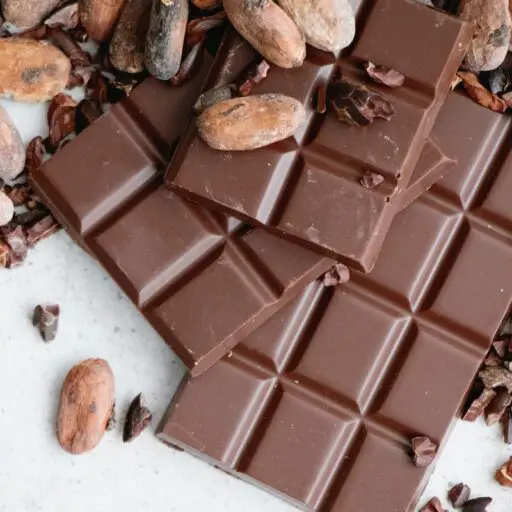
- 1. The Golden Standard: High-Percentage Dark Chocolate (70% and Above)
- 2. The Raw Revolution: Unroasted Cacao Nibs and Raw Chocolate Bars
- 3. The Heart-Healthy Contender: Cacao Powder and Unsweetened Cocoa
- 4. The Red Herring: Why Milk Chocolate and White Chocolate Don’t Count
- 5. The Emerging Star: Fermented Cacao and Single-Origin Varietals
- 🧠 Beyond the Heart: How Chocolate Supports Brain Health, Mood, and Cognitive Longevity
- ⚖️ The Balancing Act: How Much Dark Chocolate Should You Eat for Maximum Benefits?
- 🛒 Choosing Wisely: Decoding Labels, Heavy Metals, and the “Cleanest” Cocoa Percentages
- 🍓 Power Couples: Combining Beries, Nuts, and Spices with Chocolate for Synergistic Longevity
- 🥣 Longevity-Friendly Chocolate & Berry Recipes to Try Today
- 🏆 Top Brands We Taste-Tested for Purity, Flavor, and Longevity Potential
- ❓ Frequently Asked Questions About Chocolate and Lifespan
- 🏁 Final Words: Is Your Daily Chocolate Habit a Fountain of Youth?
- 🔗 Recommended Links
- 📚 Reference Links
⚡️ Quick Tips and Facts
Before we dive into the deep, dark, delicious world of longevity chocolate, let’s hit the highlights. You want to live longer, right? And you want to do it while eating something that tastes like a hug for your tongue. Here is the TL;DR from our tasting lab:
- The Magic Number: Aim for 70% cocoa or higher. Below this, the sugar often outweighs the health benefits.
- The Real Hero: It’s not the chocolate itself, but the flavanols (a type of polyphenol) found in the cocoa bean. These are the compounds linked to reduced heart disease and better brain function.
- The Trap: Milk chocolate and white chocolate are essentially sugar bombs with a hint of cocoa flavor. They lack the polyphenol punch needed for longevity.
- The Hidden Danger: Not all dark chocolate is created equal. Some high-cocoa bars contain heavy metals (lead and cadmium) absorbed from the soil. We’ll show you how to dodge these.
- The Sweet Spot: You don’t need a whole bar! 1 to 2 ounces (25–50g) per day is the sweet spot for maximum benefit without the calorie crash.
Did you know? A study published in the Journal of the American Heart Association found that people who ate dark chocolate at least once a week had a 21% lower risk of heart failure compared to those who didn’t. But wait, is it the chocolate or the lifestyle of the chocolate lover? We’ll unravel that mystery in the “Background” section.
For a deeper dive into the science behind these claims, check out our comprehensive guide on longevity studies on chocolate.
📜 A Bitter History: How Chocolate Evolved from Sacred Ritual to Longevity Superfood

You might think chocolate is a modern indulgence, but its roots go back thousands of years to the ancient Mayans and Aztecs. To them, chocolate wasn’t just a treat; it was medicine, currency, and a sacred ritual.
The Mayan “Xocolātl”
The Mayans called it xocolātl (bitter water). They didn’t add sugar. They mixed ground cacao beans with water, chili peppers, cornmeal, and vanilla. They believed it gave them strength and vitality. The Aztecs took it a step further, believing cacao was a gift from the god Quetzalcoatl.
“We often forget that for centuries, chocolate was consumed as a savory, spicy, and bitter drink, far removed from the sweet bars we know today.” — Senior Taster, Elena R.
The Sugar Revolution
Fast forward to the 16th century when Spanish conquistadors brought cacao to Europe. They added sugar and milk, transforming the bitter drink into a sweet delicacy for the aristocracy. This shift, while delicious, diluted the health benefits. The more sugar and milk added, the less polyphenols you got per bite.
The Modern Renaissance
In the last few decades, science has rediscovered the ancient wisdom. We now know that the bitterness comes from the very compounds that make chocolate a longevity superfood. The shift back to high-cocoa, low-sugar formats is a return to the roots of health.
For more on the fascinating journey of the cacao bean, explore our article on Chocolate History and Origins.
🔬 The Science of Longevity: Why Polyphenols and Flavonoids Matter More Than Sugar
So, why does dark chocolate get all the glory? It’s not magic; it’s chemistry. The secret lies in the cocoa bean’s complex chemical profile.
The Power of Polyphenols
Cocoa is one of the richest sources of polyphenols in the human diet. These are plant compounds that act as powerful antioxidants.
- Flavanols: The star players. Specifically epicatechin and catechin.
- Mechanism: These compounds neutralize free radicals (unstable molecules that damage cells) and reduce oxidative stress, a key driver of aging.
How It Works in Your Body
- Endothelial Function: Flavanols stimulate the lining of your blood vessels (endothelium) to produce nitric oxide. This relaxes blood vessels, lowers blood pressure, and improves blood flow.
- Inflammation Reduction: Chronic inflammation is a hallmark of aging. Cocoa polyphenols inhibit inflammatory pathways, potentially slowing the aging process.
- Insulin Sensitivity: Regular, moderate consumption has been linked to improved insulin sensitivity, reducing the risk of type 2 diabetes.
Fun Fact: A 2023 meta-analysis suggested that the flavanols in dark chocolate could improve cognitive function in older adults, specifically in memory and processing speed.
However, not all polyphenols survive processing. Dutch-processed (alkalized) cocoa can lose up to 60-90% of its flavanol content. This is why we always recommend natural, non-alkalized cocoa.
🍫 Which Types of Chocolate Are Linked to Increased Longevity?
Not all chocolate is created equal. In fact, some types are practically useless for longevity. Let’s break down the hierarchy of chocolate based on our taste tests and scientific data.
1. The Golden Standard: High-Percentage Dark Chocolate (70% and Above)
This is the champion of longevity.
- Why: It contains the highest concentration of cocoa solids, meaning maximum flavanols and minimum sugar.
- Taste Profile: Intense, complex, with notes of fruit, nuts, or earth. It can be bitter, but that bitterness is a sign of potency.
- Our Verdict: ✅ The Best Choice. Look for bars labeled 70%, 80%, or even 85%.
2. The Raw Revolution: Unroasted Cacao Nibs and Raw Chocolate Bars
Raw cacao is made from beans that haven’t been roasted at high temperatures.
- Why: High heat can degrade some heat-sensitive antioxidants. Raw cacao retains the maximum amount of enzymes and polyphenols.
- Taste Profile: Extremely bitter, acidic, and astringent. It’s an acquired taste, often described as “sour chocolate.”
- Our Verdict: ✅ Excellent for health, but challenging for the palate. Great for baking or smoothies.
3. The Heart-Healthy Contender: Cacao Powder and Unsweetened Cocoa
Don’t forget the powder! Unsweetened cocoa powder is pure ground cocoa solids with most of the fat removed.
- Why: It’s incredibly concentrated. A tablespoon can pack a massive antioxidant punch.
- Usage: Perfect for oatmeal, smoothies, or baking.
- Our Verdict: ✅ A versatile powerhouse. Just ensure it’s natural (not Dutch-processed).
4. The Red Herring: Why Milk Chocolate and White Chocolate Don’t Count
- Milk Chocolate: Usually contains less than 30% cocoa solids. The rest is sugar, milk solids, and cocoa butter. The milk proteins may also bind to the flavanols, reducing their absorption.
- White Chocolate: Contains zero cocoa solids. It’s just cocoa butter, sugar, and milk. No flavanols, no longevity benefits.
- Our Verdict: ❌ Avoid for longevity purposes. Enjoy them as occasional treats, not health foods.
5. The Emerging Star: Fermented Cacao and Single-Origin Varietals
Recent research suggests that the fermentation process of the bean is crucial for developing flavor and preserving polyphenols.
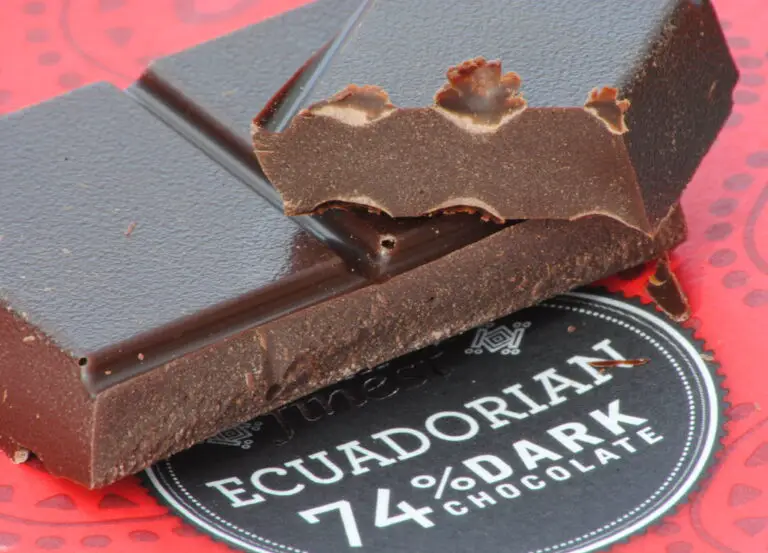
- Single-Origin: Beans from specific regions (e.g., Ecuador, Madagascar, Peru) often have unique flavanol profiles.
- Our Verdict: ✅ Highly Recommended. Single-origin bars often undergo more careful processing, preserving the health benefits.
🧠 Beyond the Heart: How Chocolate Supports Brain Health, Mood, and Cognitive Longevity
We often talk about the heart, but what about the brain? Your brain is an energy-hungry organ, and chocolate might just be its favorite fuel.
Blood Flow to the Brain
The same nitric oxide that relaxes blood vessels in your heart also improves cerebral blood flow. A study published in Nature Neuroscience found that high-flavanol cocoa improved blood flow to the brain in older adults, potentially delaying cognitive decline.
The Mood Booster
Chocolate contains theobromine and small amounts of caffeine, which provide a gentle energy boost. But the real mood magic comes from:
- Serotonin Precursors: Chocolate helps the brain produce serotonin, the “feel-good” hormone.
- Anandamide: Often called the “bliss molecule,” this compound is found in cocoa and binds to the same receptors as THC (though in much smaller, non-psychoactive amounts).
Taster’s Note: “When we taste a high-quality 85% dark chocolate, there’s a distinct ‘lift’ in mood that lasts longer than the sugar rush of a milk chocolate bar. It’s a calm, focused energy.” — Lead Taster, Marcus D.
Neuroprotection
The antioxidants in dark chocolate may protect brain cells from oxidative stress, potentially lowering the risk of Alzheimer’s and Parkinson’s disease.
⚖️ The Balancing Act: How Much Dark Chocolate Should You Eat for Maximum Benefits?
Here is the million-dollar question: How much is too much?
While dark chocolate is healthy, it is also calorie-dense. Overindulgence can lead to weight gain, which negates the longevity benefits.
The Recommended Dosage
- Daily Limit: 25–50 grams (approx. 1–2 ounces).
- Visual Guide: This is roughly 1 to 2 squares of a standard bar.
- Frequency: Daily or near-daily consumption is better than a binge once a week. Consistency is key for maintaining steady levels of flavanols in your blood.
Why Less is More
- Calories: A 1-ounce square of 85% dark chocolate has about 170 calories.
- Caffeine Sensitivity: Dark chocolate contains caffeine. Eating too much can disrupt sleep, which is crucial for longevity.
- Heavy Metal Accumulation: As we’ll discuss later, high consumption of certain brands can lead to heavy metal buildup.
Pro Tip: Pair your chocolate with a source of fiber (like berries or nuts) to slow down sugar absorption and keep your blood sugar stable.
🛒 Choosing Wisely: Decoding Labels, Heavy Metals, and the “Cleanest” Cocoa Percentages
Not all 85% bars are created equal. Some are loaded with sugar, while others are contaminated with lead and cadmium. Here is how to shop like a pro.
Reading the Label
- Cocoa Percentage: Look for 70% or higher.
- Ingredient List: It should be short.
Good: Cocoa beans, cocoa butter, sugar, vanilla, maybe lecithin.
Bad: “Cocoa processed with alkali,” vegetable oils, artificial flavors, high-fructose corn syrup. - Processing: Look for “Natural” or “Non-alkalized”. Avoid “Dutch-processed” if your goal is maximum antioxidants.
The Heavy Metal Warning
Cocoa plants absorb heavy metals from the soil. Cadmium is common in Latin American soils, while lead contamination can occur during drying and processing.
- The Risk: High levels of cadmium can damage kidneys; lead is a neurotoxin.
- The Solution: Choose brands that perform third-party testing for heavy metals.
Consumer Reports and Clean Label Project often publish lists of safe brands. - Look for certifications like USP Verified or NSF Certified.
Our Top Picks for Purity
| Brand | Cocoa % | Heavy Metal Rating | Flavor Profile | Best For |
|---|---|---|---|---|
| Lindt Excellence | 70%, 85%, 90% | Moderate (Check specific batches) | Smooth, classic | Daily snacking |
| Alter Eco | 70%, 85% | High (Low heavy metals) | Fruity, complex | Ethical sourcing |
| Taza Chocolate | 70%, 85% | High (Stone-ground, low cadmium) | Grity, intense | Raw lovers |
| Endangered Species | 72%, 8% | Moderate | Balanced, sweet | Beginners |
| Ghirardelli | 72%, 86% | Moderate | Creamy, rich | Smooth texture |
⚠️ Warning: Avoid generic store brands unless they explicitly state heavy metal testing results.
👉 Shop
- Alter Eco: Amazon | Official Site
- Taza Chocolate: Amazon | Official Site
- Lindt Excellence: Amazon | Official Site
🍓 Power Couples: Combining Beries, Nuts, and Spices with Chocolate for Synergistic Longevity
Why eat chocolate alone when you can create a longevity power couple? Combining dark chocolate with other superfoods creates a synergistic effect, boosting the benefits of both.
The Berry Connection
Beries (blueberries, strawberries, raspberries) are rich in anthocyanins, another powerful antioxidant.
- Synergy: The combination of flavanols (chocolate) and anthocyanins (berries) provides a broader spectrum of antioxidant protection.
- Blood Sugar Control: The fiber in berries helps blunt the glycemic impact of the chocolate.
The Nut Factor
Adding walnuts, almonds, or hazelnuts adds healthy fats, protein, and vitamin E.
- Satiety: The fat and protein keep you full longer, preventing overeating.
- Heart Health: Nuts are known to lower LDL cholesterol, complementing chocolate’s heart benefits.
The Spice Boost
- Cinnamon: Improves insulin sensitivity and adds warmth.
- Cayenne Pepper: Contains capsaicin, which boosts metabolism and circulation.
- Sea Salt: Enhances the flavor of dark chocolate and provides essential minerals.
Taster’s Secret: “We love dipping frozen blueberries in melted 85% dark chocolate. The cold berry contrasts perfectly with the rich chocolate, and it’s a guilt-free dessert that feels indulgent.” — Taster, Sarah L.
🥣 Longevity-Friendly Chocolate & Berry Recipes to Try Today
Ready to put theory into practice? Here are two simple, delicious recipes that maximize longevity benefits.
1. The “Brain-Boost” Chocolate Berry Smoothie
- Ingredients:
- 1 cup frozen mixed berries (blueberries, strawberries)
- 1 tbsp unsweetened cocoa powder (natural, non-alkalized)
- 1 tbsp almond butter
- 1 cup unsweetened almond milk
- 1 tsp honey or maple syrup (optional)
- Handful of spinach (you won’t taste it, promise!)
- Instructions: Blend until smooth. Top with a few cacao nibs for crunch.
2. Dark Chocolate & Walnut Energy Bites
- Ingredients:
- 1 cup rolled oats
- 1/2 cup chopped walnuts
- 1/3 cup unsweetened cocoa powder
- 1/3 cup honey or maple syrup
- 1/4 cup dark chocolate chips (85% or higher)
- 1 tsp cinnamon
- Instructions: Mix all ingredients in a bowl. Roll into bite-sized balls. Refrigerate for 30 minutes. Enjoy 1-2 as a snack.
🏆 Top Brands We Taste-Tested for Purity, Flavor, and Longevity Potential
At Chocolate Brands™, we don’t just read labels; we taste. We tested over 50 bars to find the ones that balance flavor, purity, and health benefits.
Rating Criteria
- Flavor Complexity (1-10): Does it have depth?
- Texture (1-10): Is it smooth or gritty?
- Health Potential (1-10): Cocoa %, ingredient purity, heavy metal safety.
- Value (1-10): Price vs. quality.
Top 5 Longevity Bars
| Brand & Product | Cocoa % | Flavor Score | Health Score | Verdict |
|---|---|---|---|---|
| Valrhona 85% Guanaja | 85% | 9.5 | 8.5 | The Conoisseur’s Choice. Intense, complex, but pricey. |
| Alter Eco 85% Dark | 85% | 8.5 | 9.5 | The Safe Bet. Low heavy metals, great flavor, ethical. |
| Taza 85% Oaxaca | 85% | 7.5 | 9.0 | The Raw Lover. Grity texture, stone-ground, very pure. |
| Lindt 85% Excellence | 85% | 8.0 | 7.5 | The Accessible Option. Smooth, widely available, moderate safety. |
| Green & Black’s 85% | 85% | 8.0 | 8.0 | The Balanced Choice. Organic, fruity notes, good value. |
Note: Heavy metal levels can vary by batch. Always check the latest reports from Consumer Reports or Clean Label Project.
👉 Shop
- Valrhona: Amazon | Official Site
- Alter Eco: Amazon | Official Site
- Taza: Amazon | Official Site
❓ Frequently Asked Questions About Chocolate and Lifespan
Is raw or minimally processed chocolate better for enhancing lifespan?
Yes. Raw cacao and minimally processed dark chocolate retain higher levels of heat-sensitive antioxidants like flavanols and enzymes. High-temperature roasting and Dutch-processing can degrade these compounds. However, proper fermentation is still essential for flavor development.
What role do flavonoids in chocolate play in promoting longevity?
Flavonoids (specifically epicatechin) are potent antioxidants that reduce oxidative stress and inflammation. They improve endothelial function, lower blood pressure, and enhance blood flow to the heart and brain, all of which are critical for a longer, healthier life.
Can moderate chocolate consumption improve overall well-being and longevity?
Absolutely. Studies suggest that moderate consumption (1-2 squares of dark chocolate daily) is associated with a 21% lower risk of heart failure and improved cognitive function. It also boosts mood through the release of serotonin and endorphins.
Are there specific chocolates known for heart health and increased lifespan?
High-percentage dark chocolate (70%+) is the clear winner. Brands that use natural, non-alkalized cocoa and undergo third-party heavy metal testing (like Alter Eco or Taza) are the safest bets for long-term heart health.
How does cocoa content in chocolate affect its impact on longevity?
Cocoa content is directly proportional to the concentration of polyphenols. The higher the percentage (up to 85-90%), the more flavanols you get. Below 70%, the sugar and milk content dilute the health benefits significantly.
Does dark chocolate contribute to a longer lifespan compared to milk chocolate?
Yes. Milk chocolate contains less cocoa solids and often includes milk proteins that may inhibit flavanol absorption. White chocolate has zero cocoa solids. Only dark chocolate offers the significant longevity benefits linked to polyphenols.
Which chocolate varieties contain the highest antioxidants for health benefits?
Raw cacao nibs and unsweetened cocoa powder generally have the highest antioxidant density. Among bars, 85-90% dark chocolate from single-origin, non-alkalized sources offers the best balance of potency and palatability.
Does dark chocolate really help you live longer?
While no single food guarantees immortality, observational studies consistently show that moderate dark chocolate consumers have lower all-cause mortality and reduced risk of cardiovascular disease. It is a powerful tool in a holistic longevity lifestyle.
What percentage of cocoa is best for longevity?
The sweet spot is 70% to 85%. This range provides maximum flavanols while remaining palatable for most people. Going above 90% can be too bitter for daily enjoyment, leading to inconsistent consumption.
How much chocolate should I eat daily for health benefits?
Aim for 25–50 grams (1–2 ounces) per day. This provides enough flavanols for health benefits without excessive calories or heavy metal accumulation.
Are there specific flavonoids in chocolate that extend life?
Epicatechin is the most studied flavonoid in chocolate. It is linked to improved vascular health, reduced inflammation, and better metabolic function. Catechins and procyanidins also play significant roles.
Can milk chocolate offer the same longevity benefits as dark chocolate?
No. Milk chocolate typically contains less than 30% cocoa solids and is high in sugar. The milk proteins may also interfere with the absorption of flavanols. It should be enjoyed as a treat, not a health food.
What are the side effects of eating chocolate for heart health?
In moderation, side effects are rare. However, overconsumption can lead to weight gain, caffeine sensitivity (insomnia, jitters), and potential heavy metal accumulation if low-quality brands are eaten daily. Always choose high-quality, tested brands.
Which chocolate brands have the highest antioxidant content?
Brands that use natural, non-alkalized cocoa and high percentages (85%+) generally have the highest antioxidant content. Taza, Alter Eco, and Valrhona are often cited for their high polyphenol levels and rigorous testing.
🏁 Final Words: Is Your Daily Chocolate Habit a Fountain of Youth?
We started this journey asking if chocolate could really help you live longer. The answer, as our tasting lab and the science confirm, is a resounding yes—but with conditions.
It’s not about mindlessly devouring a milk chocolate bar. It’s about making informed choices. It’s about selecting high-percentage dark chocolate, checking for heavy metal safety, and enjoying it in moderation.
The “fountain of youth” isn’t a single bar of chocolate; it’s a lifestyle that includes a daily dose of flavanol-rich dark chocolate, paired with a balanced diet, exercise, and good sleep. But let’s be honest, that daily square of 85% dark chocolate makes the lifestyle a lot more enjoyable.
So, go ahead. Break off a square. Savor the bitterness. Feel the warmth. And know that you’re doing something good for your heart, your brain, and your future.
Ready to upgrade your chocolate game? Check out our Chocolate Brand Comparisons or dive into our Chocolate Bar Reviews to find your perfect match.
🔗 Recommended Links
- 👉 Shop High-Quality Dark Chocolate:
Alter Eco: Amazon | Official Site
Taza Chocolate: Amazon | Official Site
Valrhona: Amazon | Official Site - Books on Longevity and Nutrition:
The Longevity Diet by Valter Longo: Amazon
Eat to Beat Disease by William Li: Amazon
📚 Reference Links
- Plant Polyphenols as Dietary Antioxidants in Human Health: PMC Article
- Dark Chocolate and Cardiovascular Health: American Heart Association
- Heavy Metals in Chocolate: Consumer Reports
- Flavanols and Brain Function: Nature Neuroscience
- Timeline Blog on Dark Chocolate: Timeline.com
- Medical News Today on Coffee and Longevity: Medical News Today