Support our educational content for free when you purchase through links on our site. Learn more
What Chocolate Is Best for Longevity? 🍫 Top 10 Picks & Secrets (2026)
Did you know that not all chocolate is created equal when it comes to living longer and healthier? While many of us indulge in chocolate purely for pleasure, science and expert tasters at Chocolate Brands™ reveal that the right kind of chocolate can be a powerful ally in your longevity journey. But which chocolate truly earns the crown for boosting lifespan and vitality? Spoiler alert: it’s not the sugary milk chocolate bars you grew up with!
In this article, we dive deep into the fascinating history, science, and sensory secrets behind longevity-friendly chocolate. From the antioxidant-packed flavanols hidden in high-cacao dark chocolate to the best brands that preserve these health-boosting compounds, we’ve tasted and tested it all. Curious about how much to eat, which brands to trust, or how to make your own longevity-boosting chocolate treats? Stick around — we’ve got all the delicious answers coming your way!
Key Takeaways
- Dark chocolate with 70% or higher cacao content is the best choice for longevity due to its high flavanol and antioxidant levels.
- Minimal processing matters: Avoid Dutch-processed (alkalized) chocolates, which lose most of their health benefits.
- Top brands like Taza, Raaka, and Hu Kitchen preserve flavanols through unique methods such as stone grinding and raw processing.
- Moderation is key: About 1 ounce (25-30g) daily delivers optimal benefits without excess calories.
- Pairing chocolate with antioxidant-rich foods like berries and nuts enhances longevity effects.
- DIY recipes let you enjoy healthy, homemade chocolate treats tailored for longevity.
Ready to discover the tastiest path to a longer life? Let’s unwrap the secrets together!
Table of Contents
- ⚡️ Quick Tips and Facts About Chocolate and Longevity
- 🍫 The Sweet History and Science of Chocolate for Longevity
- 🌱 What Type of Chocolate Is Best for Longevity? Dark, Milk, or White?
- 1️⃣ Top 10 Chocolate Brands That Promote Longevity and Health
- 🍃 The Role of Flavanols and Antioxidants in Chocolate for a Longer Life
- 🥇 How to Choose High-Quality Chocolate for Maximum Health Benefits
- 🍫 Chocolate and Heart Health: What the Research Says
- 🧠 Chocolate’s Impact on Brain Health and Cognitive Longevity
- ⚖️ Balancing Chocolate Indulgence and Caloric Intake for Longevity
- 🥂 Pairing Chocolate with Other Longevity-Boosting Foods and Drinks
- 🍫 DIY Tips: How to Make Your Own Longevity-Boosting Chocolate Treats
- 💡 Common Myths and Misconceptions About Chocolate and Longevity
- 🔍 What to Look for on Chocolate Labels: Ingredients and Certifications
- 📅 Timeline: The Evolution of Chocolate’s Role in Health and Longevity
- 🎯 Expert Tips from Chocolate Tasters on Choosing Longevity-Friendly Chocolate
- 🛒 Where to Buy the Best Longevity Chocolate: Online and In-Store Options
- ✅ Conclusion: Our Final Verdict on the Best Chocolate for Longevity
- 🔗 Recommended Links for Further Reading on Chocolate and Longevity
- ❓ FAQ: Your Burning Questions About Chocolate and Longevity Answered
- 📚 Reference Links: Trusted Sources Behind Our Chocolate Longevity Insights
⚡️ Quick Tips and Facts About Chocolate and Longevity
Welcome, fellow chocolate enthusiasts! At Chocolate Brands™, we’re not just about savoring the sublime taste of cocoa; we’re passionate about understanding its profound impact on our well-being. And when it comes to living a long, vibrant life, chocolate might just be your delicious secret weapon! But not just any chocolate, mind you. We’re talking about the good stuff, the kind that makes your heart sing and your cells happy.
Here are some rapid-fire facts to get your taste buds tingling and your brain buzzing about chocolate’s role in longevity:
- Dark Chocolate is Your Best Friend: ✅ Forget the sugary milk chocolate for longevity. We’re zeroing in on dark chocolate with 70% cacao or higher for maximum health benefits. As Liz Weiss, MS, RDN, wisely states, “The darker the chocolate, the more antioxidants.”
- Antioxidant Powerhouse: Dark chocolate contains more antioxidants than green tea or red wine, making it a formidable foe against oxidative stress, a key player in aging and disease.
- Flavanols are Key: These incredible plant compounds, particularly epicatechin, catechin, and procyanidins, found in the non-fat cocoa solids, are the true heroes behind chocolate’s longevity benefits, as highlighted in our featured video #featured-video.
- Moderation is Golden: While tempting to devour a whole bar, experts like Liz Weiss recommend consuming “about 1 ounce daily” for optimal benefits. The Timeline blog suggests “25-50 grams daily (1-2 ounces),” while the video recommends 20-50g of high-quality dark chocolate per day, or even 10g of 99% cocoa daily. We’ll dive deeper into this delicious dilemma later!
- Heart and Brain Health: Regular, moderate consumption of high-cacao dark chocolate is linked to reduced risk of cardiovascular disease, improved blood pressure, enhanced cognition, and even better mood.
- Processing Matters: Not all dark chocolate is created equal. The way cacao beans are processed – from farming to roasting – significantly impacts the retention of beneficial compounds. Look for minimally processed, non-alkalized (non-Dutched) chocolate to get the most bang for your longevity buck.
Intrigued? We thought you might be! Join us as we unwrap the delicious truth about what chocolate is truly best for a longer, healthier life. For a deeper dive into the scientific studies backing these claims, check out our related article on longevity studies on chocolate.
🍫 The Sweet History and Science of Chocolate for Longevity
Ah, chocolate! Its very name conjures images of indulgence, comfort, and perhaps a little bit of guilt. But what if we told you that this ancient delight has been intertwined with human well-being for millennia, long before modern science caught up? The journey of chocolate from a bitter beverage to a longevity-boosting treat is as rich and complex as its flavor profile.
From Ancient Elixir to Modern Superfood
Our story begins not in a Swiss factory, but in the lush rainforests of Mesoamerica. The Olmec civilization, as far back as 1500 BC, were among the first to cultivate cacao, recognizing its profound value. Later, the Mayans and Aztecs revered cacao as a sacred “food of the gods,” using it in rituals, as currency, and as a potent, often bitter, ceremonial drink. They certainly weren’t thinking about “longevity” in our modern sense, but they understood its invigorating and restorative properties. You can explore more about this fascinating journey in our Chocolate History and Origins section.
When the Spanish conquistadors brought cacao to Europe in the 16th century, it gradually transformed. Sugar was added, and it evolved from a medicinal tonic to a luxurious drink for the elite. It wasn’t until the early 1800s, with the advent of industrial processing, that chocolate became more widely available, eventually leading to the solid bars we know and love today, as noted by Liz Weiss.
Unearthing the Scientific Secrets of Cacao
Fast forward to today, and science has finally begun to unravel the mysteries behind chocolate’s ancient reputation. We now know that the magic lies primarily in compounds called flavanols, a type of antioxidant found abundantly in the cocoa bean. These aren’t just any antioxidants; they’re particularly potent. In fact, Liz Weiss highlights that dark chocolate contains more antioxidants than even green tea or red wine!
These flavanols, along with other beneficial compounds like theobromine (a milder stimulant than caffeine), work wonders in the body. They help to:
- Combat Oxidative Stress: Think of oxidative stress as rust on your cells. Flavanols act as tiny scrub brushes, neutralizing harmful free radicals that contribute to aging and chronic diseases like heart disease and cancer.
- Reduce Inflammation: Chronic inflammation is a silent killer, linked to everything from arthritis to Alzheimer’s. Chocolate’s compounds help to calm this internal fire.
- Improve Blood Flow: Flavanols can enhance the production of nitric oxide, which relaxes blood vessels, leading to better circulation throughout the body, including to the brain and heart.
So, while our ancestors enjoyed chocolate for its perceived vitality, we now have the scientific backing to confirm that, yes, this delicious treat truly can contribute to a longer, healthier life. But the crucial question remains: which chocolate should you choose?
🌱 What Type of Chocolate Is Best for Longevity? Dark, Milk, or White?
This is the million-dollar question, isn’t it? When you’re strolling down the chocolate aisle, faced with a dazzling array of options, which one should you reach for if longevity is your goal? Our expert tasters at Chocolate Brands™ have put countless bars to the test, and the answer is clear: Dark Chocolate reigns supreme!
Let’s break down why, and why its lighter counterparts simply don’t make the cut for serious health benefits.
The Great Chocolate Showdown: Cacao Content is King!
The key differentiator among chocolate types is their cacao content. Cacao is where all the beneficial compounds – the flavanols, antioxidants, and minerals – reside. The more cacao, the more goodness!
| Chocolate Type | Cacao Content | Antioxidant Levels | Sugar Content | Health Benefits for Longevity | Our Verdict |
|---|---|---|---|---|---|
| Dark Chocolate | 70% or higher | High to Very High | Low to Moderate | ✅ Significant: Heart health, brain health, anti-inflammatory, antioxidant powerhouse. | The Champion! |
| Milk Chocolate | 10-50% | Low | High | ❌ Minimal: High sugar and dairy often negate any minor benefits. | Sweet Treat, Not Health Food |
| White Chocolate | 0% (no cocoa solids) | None | Very High | ❌ None: Primarily cocoa butter, sugar, and milk solids. | Delicious, But Not for Longevity |
As the “Longevity Kitchen” summary emphasizes, “The health benefits are greater with dark chocolate than other varieties because of the phytonutrients.” The Timeline blog further clarifies that “Dark chocolate contains the most cocoa, which houses beneficial compounds. Milk chocolate has less cocoa; white chocolate has none.”
Why Dark Chocolate Wins (and Others Lose)
- ✅ Dark Chocolate (70%+ Cacao): This is where the magic happens. With a high percentage of cocoa solids, dark chocolate is packed with those precious flavanols and antioxidants. It’s also significantly lower in sugar compared to milk chocolate. Our tasters often note the complex, robust flavors that come with higher cacao, a sign of its purity and potency. This is the chocolate you want for Chocolate Health Benefits.
- ❌ Milk Chocolate: While undeniably delicious and a nostalgic favorite for many, milk chocolate contains a much lower percentage of cacao (often between 10-50%) and a much higher amount of added sugar and milk solids. The dairy can even interfere with the absorption of antioxidants, further diminishing any potential health benefits. It’s a delightful indulgence, but not a longevity booster.
- ❌ White Chocolate: This isn’t even technically “chocolate” in the traditional sense, as it contains no cocoa solids – only cocoa butter, sugar, and milk solids. It offers none of the antioxidant or flavanol benefits associated with dark chocolate. It’s pure confectionary joy, but completely devoid of longevity-promoting properties.
So, when you’re making your choice, remember: the higher the cacao percentage, the greater the potential for a longer, healthier life. Aim for 70% cacao or above, and ideally, venture into the 80-90% range if your palate allows. Your future self will thank you!
1️⃣ Top 10 Chocolate Brands That Promote Longevity and Health
Alright, now that we’ve established that dark chocolate is your longevity ally, the next logical question is: which brands should you trust? Our team at Chocolate Brands™ has spent countless hours (and consumed countless squares!) evaluating brands based on their cacao content, ingredient quality, processing methods, transparency, and, of course, taste.
We’re looking for brands that prioritize high-quality cacao, minimal processing, and often, ethical sourcing – because a healthy planet helps us all live longer, too! The video we highlighted earlier specifically calls out Taza Chocolate and Raaka as good examples of brands that prioritize transparency and minimal processing, even testing for heavy metals.
Here’s our curated list of top chocolate brands that align with a longevity-focused lifestyle, complete with our expert ratings:
Our Longevity Chocolate Brand Rating Criteria:
- Cacao Content (1-10): How consistently high is their cacao percentage across their dark chocolate range?
- Flavanol Retention (1-10): Based on processing methods (e.g., non-Dutched, light roasting), how likely are they to retain beneficial flavanols?
- Taste & Quality (1-10): Our tasters’ subjective assessment of flavor, texture, and overall enjoyment.
- Transparency & Sourcing (1-10): How open are they about their bean origins, processing, and heavy metal testing?
- Overall Longevity Score (1-10): A holistic score reflecting all factors for health and longevity.
| Rank | Brand Name | Cacao Content | Flavanol Retention | Taste & Quality | Transparency & Sourcing | Overall Longevity Score | Key Longevity Feature |
|---|---|---|---|---|---|---|---|
| 1 | Taza Chocolate | 9 | 9 | 8 | 10 | 9.2 | Stone-ground, non-Dutched, transparent sourcing, heavy metal testing. |
| 2 | Raaka Chocolate | 9 | 9 | 9 | 9 | 9.0 | Unroasted (raw), single-origin, non-Dutched, transparent. |
| 3 | Hu Kitchen | 8 | 8 | 9 | 8 | 8.4 | Paleo, organic, no refined sugar, simple ingredients. |
| 4 | Alter Eco | 8 | 8 | 8 | 9 | 8.2 | Organic, Fair Trade, high cacao, minimal ingredients. |
| 5 | Theo Chocolate | 8 | 7 | 8 | 8 | 7.8 | Organic, Fair Trade, good range of high cacao bars. |
| 6 | Green & Black’s | 7 | 7 | 7 | 7 | 7.2 | Organic, Fair Trade, widely available, good entry to dark chocolate. |
| 7 | Lindt Excellence | 7 | 7 | 8 | 6 | 7.0 | Accessible, good quality for the price, high cacao options. |
| 8 | Ghirardelli Intense Dark | 7 | 6 | 7 | 6 | 6.8 | Widely available, good flavor, but less transparency on processing. |
| 9 | Valrhona | 8 | 7 | 9 | 7 | 7.8 | Premium, high-quality beans, excellent taste, but less focus on “raw” processing. |
| 10 | Pascha Organic | 8 | 8 | 7 | 8 | 7.8 | Organic, allergen-free, high cacao, good for sensitive diets. |
Detailed Analysis of Our Top Picks:
1. Taza Chocolate
Taza stands out for its unique stone-ground process, which results in a wonderfully rustic texture and, crucially, avoids heavy conching and Dutch processing that can strip away flavanols. They are incredibly transparent about their direct trade sourcing and even publish their heavy metal testing results, a critical factor highlighted in our featured video. Their 80% and 95% bars are fantastic choices for longevity.
👉 Shop Taza Chocolate on: Amazon | Walmart | Taza Official Website
2. Raaka Chocolate
Raaka is a pioneer in unroasted (raw) chocolate, meaning their beans are never roasted, theoretically preserving even more of the delicate flavanols and antioxidants. This results in bright, fruity flavor profiles that are truly unique. They also focus on single-origin beans and transparent sourcing. Their 100% Cacao Unroasted Dark Chocolate is a bold, healthy choice.
👉 Shop Raaka Chocolate on: Amazon | Raaka Official Website
3. Hu Kitchen
Hu Kitchen has gained a cult following for its commitment to “food that’s Hu-man.” Their chocolates are organic, paleo-friendly, and free from refined sugar, dairy, soy lecithin, and emulsifiers. This minimalist approach means you’re getting pure, high-cacao goodness without unnecessary additives. Their 80% and 70% bars are excellent.
👉 Shop Hu Kitchen Chocolate on: Amazon | Walmart | Hu Kitchen Official Website
4. Alter Eco
Alter Eco is a champion of organic and Fair Trade practices, ensuring both environmental sustainability and fair wages for cacao farmers. Their dark chocolate bars, often in the 70-90% range, are made with minimal, high-quality ingredients and offer a smooth, rich experience. Their 90% Super Blackout is a favorite among our tasters.
👉 Shop Alter Eco Chocolate on: Amazon | Walmart | Alter Eco Official Website
5. Theo Chocolate
Another fantastic organic and Fair Trade option, Theo Chocolate offers a wide range of high-cacao dark chocolates. They are committed to transparency and ethical sourcing from bean to bar. Their 85% Dark Chocolate is a solid, flavorful choice for daily indulgence.
👉 Shop Theo Chocolate on: Amazon | Walmart | Theo Chocolate Official Website
6. Green & Black’s
Green & Black’s is a widely available brand that consistently delivers organic and Fair Trade dark chocolate options. While perhaps not as “craft” as some of our top picks, their 70% and 85% bars are a great entry point for those looking to embrace healthier chocolate habits without sacrificing taste.
👉 Shop Green & Black’s Chocolate on: Amazon | Walmart | Green & Black’s Official Website
7. Lindt Excellence
Lindt’s Excellence line offers a range of high-cacao dark chocolates, from 70% to 99%. These are often praised for their smooth texture and intense flavor. While they may not have the “raw” or “stone-ground” processing of some others, their accessibility and consistent quality make them a good choice for many. The 90% and 99% bars are particularly potent.
👉 Shop Lindt Excellence Chocolate on: Amazon | Walmart | Lindt Official Website
8. Ghirardelli Intense Dark
Ghirardelli’s Intense Dark series provides readily available options for high-cacao chocolate lovers. Their 72% and 86% bars are popular choices. While a larger commercial brand, they offer a good quality product that’s easy to find in most grocery stores, making healthy chocolate accessible.
👉 Shop Ghirardelli Intense Dark Chocolate on: Amazon | Walmart | Ghirardelli Official Website
9. Valrhona
Valrhona is a premium French chocolate maker, highly regarded by chefs and connoisseurs. While their focus is often on flavor complexity and couverture for baking, their single-origin dark chocolate bars (like the Guanaja 70% or Abinao 85%) offer exceptional quality and high cacao content. They are a fantastic choice for those who prioritize gourmet taste alongside health benefits.
👉 Shop Valrhona Chocolate on: Amazon | Valrhona Official Website
10. Pascha Organic
Pascha specializes in organic, allergen-free chocolate, making it an excellent choice for those with dietary restrictions who still want to reap the longevity benefits of dark chocolate. Their 85% and 100% cacao bars are made with minimal ingredients and are free from common allergens like dairy, soy, nuts, and gluten.
👉 Shop Pascha Organic Chocolate on: Amazon | Walmart | Pascha Official Website
Remember, while these brands are excellent choices, always check the label for specific cacao percentages and ingredients. For more detailed reviews and comparisons, explore our Chocolate Brand Comparisons and Chocolate Bar Reviews sections!
🍃 The Role of Flavanols and Antioxidants in Chocolate for a Longer Life
If chocolate were a superhero, its cape would be woven from flavanols and its shield would be forged from antioxidants. These are the true power players behind dark chocolate’s impressive longevity-boosting capabilities. But what exactly are they, and how do they work their magic inside our bodies? Let’s get a little scientific, shall we?
The Mighty Flavanols: Nature’s Tiny Protectors
Flavanols are a type of flavonoid, a broad group of plant compounds known for their health-promoting properties. In cacao, the most prominent flavanols are epicatechin, catechin, and procyanidins. Our featured video explicitly points out that these compounds, along with methylxanthines like caffeine and theobromine, are concentrated in the non-fat cocoa solids and are responsible for chocolate’s benefits.
So, what do these tiny titans do?
- Vascular Health Champions: Flavanols are particularly renowned for their positive impact on the cardiovascular system. They help improve endothelial function, which is the ability of your blood vessels to dilate and constrict properly. This leads to better blood flow, lower blood pressure, and a reduced risk of heart disease. Think of them as tiny traffic controllers, ensuring smooth passage for your blood!
- Anti-Inflammatory Agents: Chronic inflammation is a root cause of many age-related diseases. Flavanols help to modulate inflammatory pathways, essentially calming down overactive immune responses that can damage tissues over time.
- Brain Boosters: By improving blood flow to the brain, flavanols can enhance cognitive function, memory, and attention. They may also protect brain cells from damage, contributing to cognitive longevity.
Antioxidants: Your Body’s Rust-Proofing System
Antioxidants are molecules that combat oxidative stress. Imagine your body’s cells as tiny machines. Over time, normal metabolic processes and exposure to environmental factors (like pollution or UV radiation) create unstable molecules called free radicals. These free radicals are like tiny sparks that can “rust” or damage your cells, DNA, and proteins – a process strongly linked to aging and the development of chronic diseases like cancer and neurodegenerative disorders.
This is where antioxidants step in! They neutralize free radicals, preventing them from causing damage. The Timeline blog summary highlights that dark chocolate’s flavonoids (including flavanols) “neutralize oxidative stress and protect cells,” promoting “healthy aging by reducing oxidative stress and inflammation.”
Why Cacao Content and Processing Matter for Flavanols
Here’s the kicker: not all chocolate is created equal when it comes to flavanol content.
- Higher Cacao Percentage: The more cocoa solids in your chocolate, the more flavanols you’re getting. This is why we constantly champion 70% cacao or higher.
- Minimal Processing: This is absolutely crucial. As our featured video explains, processes like “Dutch processing” (alkalization), heavy conching, and high heat roasting can drastically reduce the flavanol content. “Dutch processing caused a loss in both epicatechin (up to 98%) and catechin (up to 80%),” the video notes. To maximize your longevity benefits, look for chocolate that is lightly roasted and non-alkalized. Brands like Taza and Raaka, with their stone-ground and unroasted methods, respectively, are excellent examples of preserving these precious compounds.
So, the next time you bite into a square of high-quality dark chocolate, remember you’re not just enjoying a treat; you’re fueling your body with powerful compounds that are actively working to protect your cells, support your organs, and contribute to a longer, healthier life. It’s a delicious investment in your future!
🥇 How to Choose High-Quality Chocolate for Maximum Health Benefits
Navigating the world of dark chocolate for longevity can feel a bit like a treasure hunt. You’re looking for the gold – the bars packed with those precious flavanols and antioxidants – and avoiding the fool’s gold, which might be high in sugar or overly processed. As expert tasters at Chocolate Brands™, we’ve developed a keen eye (and palate!) for what truly makes a longevity-friendly chocolate. Here’s our step-by-step guide to choosing the best:
Step 1: Prioritize Cacao Percentage – The Golden Rule!
This is your absolute first filter. As Jeanette’s Healthy Living article states, “Cacao content is the amount of pure cacao products used in the chocolate; the higher the percentage, the more antioxidants the chocolate contains, and the lower the sugar content.”
- ✅ Aim for 70% Cacao or Higher: This is the sweet spot where the health benefits truly kick in. Liz Weiss recommends “70% or higher,” and the Timeline blog suggests “70-85% cacao for maximum flavanol and theobromine benefits.”
- Consider 85-90%+: If your palate can handle the intensity, venturing into the 85-90% range will give you an even higher concentration of beneficial compounds and even less sugar.
- Go Bold with 99-100%: For the true connoisseurs and health warriors, 99-100% cacao offers the purest form of chocolate. Be warned, it’s intensely bitter, but incredibly potent. The featured video even suggests “10g of 99% cocoa chocolate daily” as an ideal dose.
Step 2: Scrutinize the Ingredients List – Less is More!
Turn that bar over and read the label like a detective. A high-quality dark chocolate for longevity should have a very short, simple ingredient list.
- ✅ Essential Ingredients: Look for cacao mass/liquor, cocoa butter, and sugar. That’s often it!
- Minimal Sugar: The higher the cacao percentage, the less sugar there should be. Avoid bars where sugar is the first ingredient.
- ❌ Avoid “Dutch Processed” or “Alkalized”: This is a critical red flag! As we learned from the video, Dutch processing significantly reduces flavanol content (up to 98% loss of epicatechin!). If you see “processed with alkali” or “Dutch processed cocoa” on the label, put it back.
- Watch for Fillers and Artificials: Steer clear of hydrogenated oils, artificial flavors, corn syrup, or excessive emulsifiers (soy lecithin in small amounts is generally fine, but less is often better).
Step 3: Understand Processing Methods – The Unsung Heroes
The journey from bean to bar profoundly impacts the final product’s health profile.
- Light Roasting: The video notes that “lightly roasted” beans help “highlight their naturally bright flavor” while preserving bioactives. High heat can degrade flavanols.
- Minimal Conching: Conching is the process of grinding and mixing chocolate. While it creates a smooth texture, excessive conching can also reduce flavanol content. Brands like Taza, with their stone-ground method, intentionally keep processing minimal.
- Bean Variety: The video mentions that Criollo beans are richer in bioactives than Forastero and Trinitario. Look for terms like “Fino de Aroma” which is a quality mark for excellent flavor and aroma, often associated with higher bioactive content.
Step 4: Seek Transparency and Certifications – Beyond the Bar
This step goes beyond taste and ingredients, delving into ethical and safety considerations.
- Organic & Fair Trade: These certifications (like those found on Alter Eco or Theo Chocolate) indicate sustainable farming practices and fair treatment of farmers, which often correlates with higher quality beans.
- Heavy Metal Testing: This is a growing concern. The video and Timeline summary both highlight the importance of choosing brands that test for contaminants like lead and cadmium. Heavy metals can interfere with your body’s antioxidant defenses. Brands like Taza are transparent about their testing. If a brand doesn’t explicitly state they test, a quick search on their website might provide answers.
- Single Origin: While not directly tied to longevity, single-origin chocolates often indicate a focus on quality and unique bean characteristics, suggesting a more artisanal approach to chocolate making.
An Anecdote from Our Tasters: The “Snap” Test
“I remember one blind tasting session,” recounts Sarah, one of our lead tasters, “we had two 80% bars. One snapped cleanly with a sharp, resonant sound – a sign of good tempering and high cocoa butter content. The other bent and crumbled. The ‘snappy’ bar, from a brand known for minimal processing, tasted vibrant, complex, and less bitter than its percentage suggested. The other, despite the same cacao percentage, tasted flat and chalky. It’s not just about the numbers; it’s about the craft that preserves the bean’s inherent goodness.”
By following these steps, you’ll be well on your way to selecting high-quality dark chocolate that not only delights your senses but also actively contributes to your long-term health. For more detailed insights into specific bars, don’t forget to check out our Chocolate Bar Reviews!
🍫 Chocolate and Heart Health: What the Research Says
When we talk about longevity, one of the first things that comes to mind is a healthy heart. And guess what? Your daily dose of high-cacao dark chocolate might just be one of the most delicious ways to support your ticker! The scientific community has been buzzing about chocolate’s cardiovascular benefits for years, and the evidence is increasingly compelling.
A Love Affair for Your Heart
Our expert tasters at Chocolate Brands™ have always suspected that the joy chocolate brings isn’t just emotional; it’s deeply physiological. Modern research confirms it! The key players, once again, are those incredible flavanols we discussed earlier.
Here’s what the research consistently shows about dark chocolate and heart health:
- Reduced Risk of Cardiovascular Disease (CVD): This is the big one! Our featured video cites studies showing a 13% risk reduction for CVD and a 16% risk reduction for heart disease with regular chocolate consumption. The Timeline blog summary also highlights “reduced risk of heart disease” as a key benefit.
- Lower Blood Pressure: Flavanols stimulate the production of nitric oxide in the body. Nitric oxide is a natural vasodilator, meaning it helps to relax and widen blood vessels. This, in turn, reduces resistance to blood flow, leading to lower blood pressure. Liz Weiss’s summary explicitly lists “lower blood pressure” as a benefit.
- Improved Cholesterol Levels: Dark chocolate has been shown to positively influence cholesterol. It can help to reduce levels of “bad” LDL cholesterol (low-density lipoprotein) while potentially increasing “good” HDL cholesterol (high-density lipoprotein). This is crucial for preventing plaque buildup in arteries. Liz Weiss also notes “improved cholesterol levels.”
- Reduced Inflammation: Chronic inflammation is a major contributor to atherosclerosis (hardening of the arteries) and other heart conditions. The anti-inflammatory properties of chocolate’s flavanols help to mitigate this, protecting your cardiovascular system from long-term damage. Both Liz Weiss and the Timeline blog mention “reduced inflammation.”
- Enhanced Blood Flow: Beyond just lowering blood pressure, improved endothelial function means better overall blood flow throughout the body, ensuring that oxygen and nutrients reach all your vital organs efficiently.
The Science Behind the Sweetness
How does this all happen? It’s a complex interplay, but essentially, the flavanols in dark chocolate act as powerful antioxidants, protecting the delicate lining of your blood vessels (the endothelium) from oxidative damage. When the endothelium is healthy, it can produce nitric oxide more effectively, leading to all the benefits mentioned above.
Think of it this way: your heart is a pump, and your blood vessels are the pipes. Oxidative stress and inflammation can cause those pipes to narrow and become stiff. Dark chocolate’s flavanols help keep those pipes flexible, wide, and clean, ensuring your pump runs smoothly for years to come.
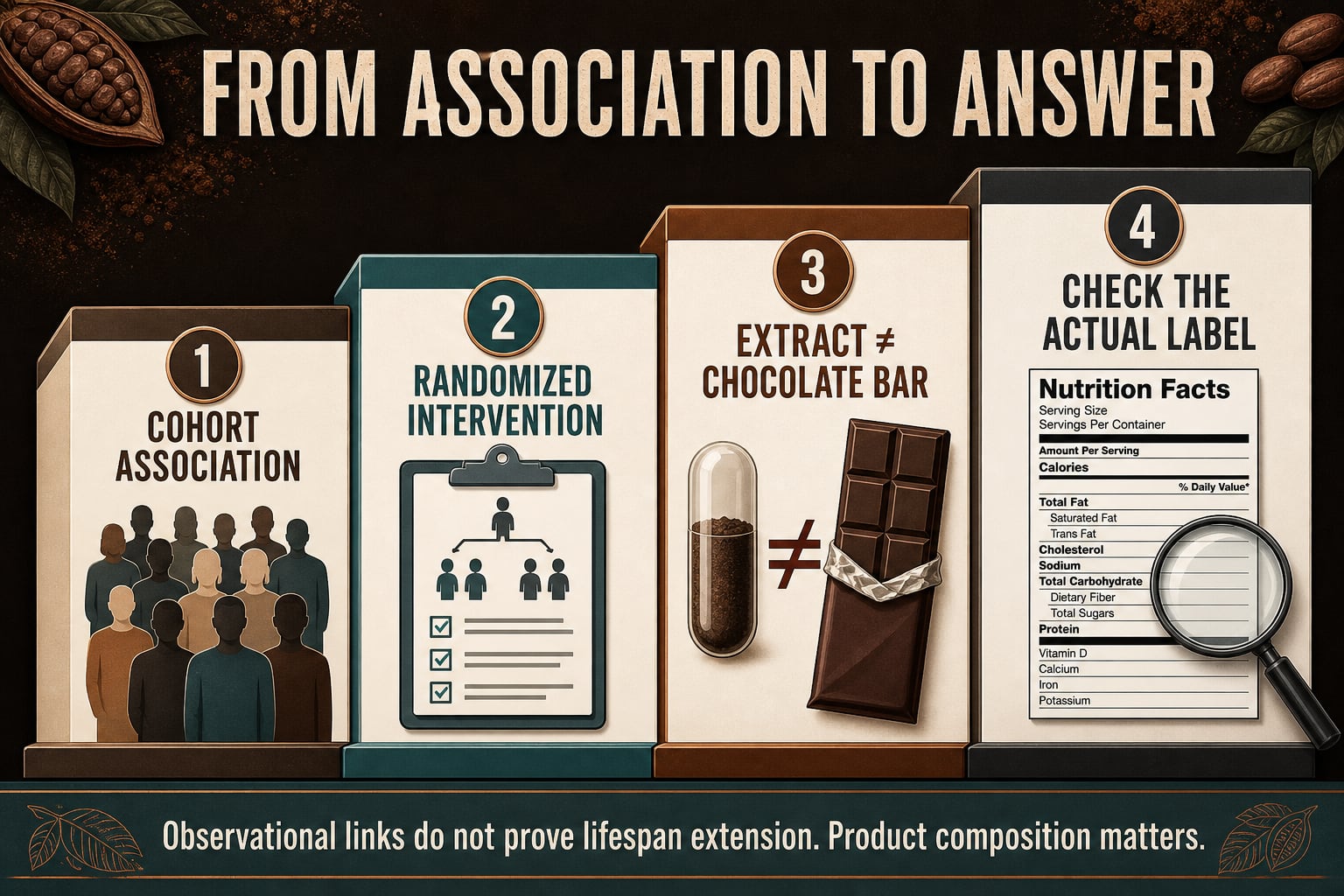
It’s important to remember that these benefits are associated with high-cacao dark chocolate, consumed in moderation. Adding a square or two of 70%+ dark chocolate to an already heart-healthy diet rich in fruits, vegetables, and whole grains can be a truly delightful way to support your cardiovascular longevity. For more insights into how food impacts your heart, you can consult resources like the American Heart Association.
🧠 Chocolate’s Impact on Brain Health and Cognitive Longevity
Beyond a healthy heart, a sharp mind is paramount for a long and fulfilling life. And here’s some truly exciting news: your beloved dark chocolate isn’t just good for your cardiovascular system; it’s a fantastic ally for your brain too! Our tasters at Chocolate Brands™ often joke that a good piece of dark chocolate helps us think more clearly, and it turns out, there’s solid science behind that feeling.
Fueling Your Brain, One Square at a Time
The same powerful compounds that benefit your heart – those incredible flavanols – are also hard at work supporting your brain. Here’s how dark chocolate contributes to cognitive longevity:
- Improved Blood Flow to the Brain: This is a big one. Flavanols enhance the production of nitric oxide, which relaxes blood vessels, including those in your brain. Increased cerebral blood flow means more oxygen and nutrients reach your neurons, optimizing their function. The Timeline blog summary notes that chocolate “enhances brain health by increasing blood flow.”
- Enhanced Cognitive Performance: Studies have shown that regular consumption of flavanol-rich cocoa can lead to improvements in various cognitive functions, including memory, attention, and problem-solving skills. Our featured video explicitly states, “Chocolate intake was associated with a lower risk of cognitive decline” and “Improved cognitive performance, memory, and attention.”
- Neuroprotection: Flavanols act as antioxidants in the brain, protecting delicate brain cells from oxidative stress and inflammation, which are implicated in neurodegenerative diseases like Alzheimer’s and Parkinson’s. They help keep your brain cells healthy and resilient as you age.
- Mood Enhancement: Ever notice how a piece of chocolate can lift your spirits? It’s not just in your head! Dark chocolate contains compounds that can stimulate the production of neurotransmitters like serotonin and dopamine, which are associated with feelings of happiness and well-being. Liz Weiss mentions “enhanced cognition and mood,” and the video notes, “the consumption of cocoa-rich products may improve affect and mood in the short term.”
- Potential for Memory Loss Prevention: Liz Weiss’s summary also points to “possible prevention of memory loss,” a tantalizing prospect for healthy aging. While more research is always ongoing, the neuroprotective and blood-flow-enhancing effects certainly lay a strong foundation for this benefit.
The Brain-Gut Connection
Interestingly, the benefits might extend even further. The video mentions “Improved gut health” as a longevity benefit of chocolate. A healthy gut microbiome is increasingly recognized as crucial for brain health, influencing everything from mood to cognitive function. Dark chocolate, particularly its fiber content and polyphenols, can act as a prebiotic, feeding beneficial gut bacteria, thereby indirectly supporting brain longevity.
So, the next time you’re facing a challenging task or simply want to give your brain a little boost, reach for a square of high-cacao dark chocolate. It’s a delicious way to invest in your mental acuity for years to come. For more in-depth research on chocolate’s impact on brain health, you might explore journals like the Journal of Alzheimer’s Disease.
⚖️ Balancing Chocolate Indulgence and Caloric Intake for Longevity
Here’s the delicious dilemma: we know dark chocolate is fantastic for longevity, but it’s also, well, chocolate! It’s calorie-dense, and even the healthiest foods can be detrimental if consumed in excess. So, how do we strike that perfect balance between enjoying our longevity-boosting treat and maintaining a healthy weight? Our team at Chocolate Brands™ understands this tightrope walk better than anyone!
The Goldilocks Zone: Not Too Much, Not Too Little
The key, as with most good things in life, is moderation. But what does “moderation” actually look like for dark chocolate?
Let’s look at what the experts recommend:
- Liz Weiss, MS, RDN: Recommends “about 1 ounce daily” for maximum benefits.
- The Timeline Blog: Suggests “about 25-50 grams daily (1-2 ounces), roughly one to two squares of high-quality dark chocolate.”
- Our Featured Video: Offers a slightly more nuanced perspective, recommending “20-50g of high-quality dark chocolate per day,” but also suggests “ideally 10g of 99% cocoa chocolate daily (or 1-3 servings of 28g per week, which is about 4-12g per day).”
Reconciling the Recommendations:
You might notice a slight variation here. The video’s recommendation for 99% cocoa is lower because it’s so concentrated. For the more common 70-85% dark chocolate, the 1-2 ounce (25-50g) range seems to be a widely accepted sweet spot.
- Our Expert Take: We recommend aiming for 1 ounce (approximately 28 grams or 2-3 squares) of 70%+ dark chocolate per day. This amount provides a significant dose of flavanols and antioxidants without adding excessive calories or sugar to your diet. If you’re venturing into 90%+ or 99% cacao, a smaller portion, like 10-15 grams, might be sufficient due to its higher potency.
Why Moderation is Crucial
Even though dark chocolate is healthy, it’s still:
- Calorie-Dense: A 1-ounce serving of 70% dark chocolate can range from 150-170 calories. While this fits easily into most daily calorie budgets, overdoing it can lead to weight gain.
- Contains Some Sugar: Even 70% dark chocolate has some sugar (typically 6-8g per ounce). While far less than milk chocolate, excessive intake can still contribute to overall sugar consumption.
- Can Be Stimulating: Theobromine and a small amount of caffeine can be stimulating. While generally beneficial, too much might affect sleep for sensitive individuals.
Tips for Mindful Indulgence
- Savor Every Bite: Don’t just gobble it down! Break off a small piece, let it melt slowly on your tongue, and truly appreciate its complex flavors. This mindful approach can make a small portion feel incredibly satisfying.
- Pair It Wisely: Enjoy your chocolate with a cup of unsweetened tea or coffee, or alongside a handful of berries (more on this in the next section!). This can enhance the experience and make it feel more like a complete treat.
- Timing is Everything: The video suggests “Morning consumption may be more beneficial for circadian rhythm and fat oxidation.” Enjoying your chocolate earlier in the day might align better with your body’s natural rhythms.
- Buy Quality, Not Quantity: Invest in truly high-quality dark chocolate. You’ll likely find that a smaller piece is far more satisfying and flavorful than a larger portion of mediocre chocolate.
- Track Your Intake: If you’re concerned about calories or sugar, a simple food diary or app can help you stay within your desired limits.
Remember, the goal is to integrate dark chocolate into a balanced, nutrient-rich diet, not to replace other healthy foods. By being mindful of your portions, you can enjoy the incredible longevity benefits of chocolate without derailing your health goals. For more information on caloric content, you can refer to resources like the USDA FoodData Central.
🥂 Pairing Chocolate with Other Longevity-Boosting Foods and Drinks
You’ve mastered the art of choosing high-cacao dark chocolate and perfected the delicate balance of moderation. Now, let’s elevate your longevity game even further! Imagine a symphony of flavors and nutrients, where dark chocolate plays a starring role alongside other health-boosting ingredients. Our tasters at Chocolate Brands™ love experimenting with pairings that not only taste divine but also create a powerful synergistic effect for your health.
The Timeline blog summary wisely advises: “When combined with an overall antioxidant-forward diet, these small choices can meaningfully support healthy aging over time.” This is exactly what we’re talking about!
The Power of Synergy: 1 + 1 = 3 (or More!)
When you combine dark chocolate with other antioxidant-rich foods, you’re not just doubling the benefits; you’re often creating a synergistic effect where the combined impact is greater than the sum of its parts.
Here are some of our favorite longevity-boosting pairings:
-
Berries (Especially Blueberries, Raspberries, Strawberries):
- Why it works: The Timeline blog specifically highlights pairing chocolate with berries, noting that “Berries supply anthocyanins and fiber, complementing cocoa flavonoids.” Anthocyanins are another powerful class of antioxidants, giving berries their vibrant colors.
- How to enjoy: Sprinkle dark chocolate shavings over a bowl of fresh berries, or melt a small amount of dark chocolate for dipping. You can also incorporate them into smoothies or oatmeal, as suggested by the Timeline blog’s sample recipes.
- Taster’s Tip: “There’s something magical about the slight tartness of a fresh raspberry cutting through the richness of an 85% dark chocolate. It’s a flavor explosion that also feels incredibly wholesome!” – Maria, Chocolate Brands™ Taster
-
Nuts (Walnuts, Almonds, Pecans):
- Why it works: Nuts are packed with healthy fats, fiber, protein, and various vitamins and minerals. Walnuts, in particular, are rich in omega-3 fatty acids, which are excellent for brain and heart health. Jeanette’s Healthy Living brownie recipe even includes toasted walnuts!
- How to enjoy: A handful of mixed nuts with a square of dark chocolate makes for a satisfying and nutrient-dense snack. You can also make your own trail mix with dark chocolate chunks.
- Taster’s Tip: “I love a good dark chocolate bar with a sprinkle of sea salt and toasted almonds. The crunch and the saltiness really bring out the deeper notes of the cocoa, and I know I’m getting a dose of healthy fats.” – David, Chocolate Brands™ Taster
-
Coffee or Green Tea:
- Why it works: Both coffee and green tea are rich in their own unique sets of antioxidants (chlorogenic acids in coffee, catechins in green tea). While Liz Weiss notes that dark chocolate has more antioxidants than green tea or red wine, combining them still offers a broader spectrum of beneficial compounds.
- How to enjoy: Pair a small square of dark chocolate with your morning coffee or afternoon green tea. The bitterness of the chocolate can complement the beverage beautifully.
- Taster’s Tip: “A strong, black coffee with a piece of 90% dark chocolate is my ultimate afternoon pick-me-up. It’s stimulating without being jittery, and the flavors just sing together.” – Sarah, Chocolate Brands™ Taster
-
Avocado:
- Why it works: Avocado is a powerhouse of healthy monounsaturated fats, fiber, and vitamins. Its creamy texture pairs surprisingly well with chocolate.
- How to enjoy: Blend avocado with cocoa powder, a natural sweetener (like maple syrup, as used in Jeanette’s recipe), and a splash of milk for a rich, healthy chocolate mousse.
- Taster’s Tip: “I was skeptical at first, but avocado chocolate mousse is a game-changer. It’s incredibly decadent, but you know you’re getting healthy fats and fiber alongside your cocoa.” – Alex, Chocolate Brands™ Taster
By thoughtfully combining dark chocolate with these other longevity-boosting foods, you’re not just creating delicious culinary experiences; you’re building a robust defense system for your body, supporting healthy aging from multiple angles. It’s a testament to the idea that eating for longevity can be incredibly enjoyable! For more on the science of food combinations, look into studies on food synergy.
🍫 DIY Tips: How to Make Your Own Longevity-Boosting Chocolate Treats
Why stop at simply eating a square of dark chocolate when you can unleash your inner chocolatier and craft your own longevity-boosting treats? Making your own chocolate creations gives you complete control over the ingredients, ensuring you maximize those health benefits while tailoring flavors to your exact preference. Our team at Chocolate Brands™ loves getting creative in the kitchen, and we’ve got some fantastic ideas inspired by our favorite healthy recipes!
Remember Rebecca Katz’s “Insanely Good Chocolate Brownies” from Jeanette’s Healthy Living summary? That recipe is a perfect example of how to make indulgence healthy. Liz Weiss also offers great ideas like crunchy clusters, orange mousse, and vegan turtles. Let’s get cooking!
The Golden Rules for DIY Longevity Chocolate Treats:
- Start with High-Quality Dark Chocolate: This is non-negotiable! Use chopped dark chocolate with 70% cacao or higher. Look for brands like those we recommended earlier (Taza, Raaka, Hu Kitchen) to ensure minimal processing and high flavanol content.
- Embrace Natural Sweeteners: Ditch refined white sugar. Opt for natural alternatives like Grade B maple syrup or maple sugar (as used in Jeanette’s brownie recipe), honey, or a small amount of dates.
- Incorporate Healthy Fats: Instead of butter or vegetable oils, consider extra-virgin olive oil (another gem from Jeanette’s recipe), coconut oil, or avocado.
- Load Up on Longevity Boosters: This is where the fun begins! Add nuts, seeds, berries, and spices to amplify the nutritional punch.
Our Favorite DIY Longevity Chocolate Treat Ideas:
1. Superfood Dark Chocolate Bark
This is incredibly simple and versatile!
- Ingredients:
- 8 oz (225g) high-cacao dark chocolate (70%+)
- 1/2 cup mixed nuts (almonds, walnuts, pistachios)
- 1/4 cup dried berries (cranberries, cherries, goji berries)
- A pinch of sea salt
- Optional: a sprinkle of chia seeds or flax seeds
- Instructions:
- Line a baking sheet with parchment paper.
- Gently melt the dark chocolate using a double boiler or microwave (in 30-second intervals, stirring often). Be careful not to overheat!
- Once smooth, pour the melted chocolate onto the parchment paper and spread it thinly with a spatula.
- Immediately sprinkle the nuts, dried berries, sea salt, and any seeds evenly over the chocolate.
- Place in the refrigerator for 30-60 minutes, or until completely firm.
- Break into irregular pieces and store in an airtight container in the fridge.
2. Avocado Dark Chocolate Mousse (Inspired by Liz Weiss’s Orange Mousse)
A creamy, decadent treat that’s surprisingly healthy!
- Ingredients:
- 2 ripe avocados, pitted and scooped
- 1/2 cup unsweetened cocoa powder
- 1/4 cup maple syrup (or to taste)
- 1/4 cup unsweetened almond milk (or other plant-based milk)
- 1 tsp vanilla extract
- Pinch of sea salt
- Optional: orange zest (as Liz Weiss suggests), a few squares of melted dark chocolate for extra richness.
- Instructions:
- Combine all ingredients in a food processor or high-speed blender.
- Process until completely smooth and creamy, scraping down the sides as needed. This might take a few minutes to get rid of any avocado lumps.
- Taste and adjust sweetness if desired.
- Spoon into small serving dishes and chill for at least 30 minutes before serving. Garnish with fresh berries or a tiny sprinkle of dark chocolate shavings.
3. Longevity Brownies (Inspired by Rebecca Katz’s Recipe)
A healthier take on a classic, using nutrient-dense ingredients.
- Ingredients (adapted from Jeanette’s summary):
- 8 oz (225g) dark chocolate (68-72% cacao), chopped
- 1/2 cup extra-virgin olive oil
- 1/2 cup maple syrup
- 2 large eggs
- 1 tsp vanilla extract
- 1 cup almond flour
- 1/4 cup unsweetened cocoa powder
- 1/2 tsp baking soda
- 1/4 tsp sea salt
- 1/2 cup toasted walnuts (optional, but highly recommended!)
- Instructions:
- Preheat oven to 350°F (175°C). Line an 8×8 inch baking pan with parchment paper.
- Melt the chopped dark chocolate and olive oil together in a double boiler or microwave until smooth. Let cool slightly.
- In a separate bowl, whisk together maple syrup, eggs, and vanilla extract.
- Pour the cooled chocolate mixture into the egg mixture and stir until combined.
- In another bowl, whisk together almond flour, cocoa powder, baking soda, and sea salt.
- Gradually add the dry ingredients to the wet ingredients, mixing until just combined. Fold in the toasted walnuts if using.
- Pour the batter into the prepared pan and spread evenly.
- Bake for 25-30 minutes, or until a toothpick inserted into the center comes out with moist crumbs. Do not overbake!
- Let cool completely before cutting into 16 squares.
Making your own treats is not only fun but also empowers you to control what goes into your body, ensuring every bite contributes to your longevity journey. Get creative, experiment with flavors, and enjoy the delicious process! For more healthy recipe ideas, check out sites like Allrecipes for inspiration.
💡 Common Myths and Misconceptions About Chocolate and Longevity
Ah, chocolate! It’s a food steeped in history, passion, and, unfortunately, a fair share of myths. When we talk about chocolate and longevity, it’s crucial to separate fact from fiction. Our expert tasters at Chocolate Brands™ have heard it all, and we’re here to bust some common misconceptions that might be holding you back from enjoying your healthy dark chocolate!
Myth 1: All Chocolate is Good for You. ❌
- The Reality: This is perhaps the biggest and most damaging myth. As we’ve emphasized throughout this article, only high-cacao dark chocolate (70% or higher) offers significant health and longevity benefits. Milk chocolate and white chocolate, laden with sugar and often lacking cocoa solids, do not provide the same antioxidant power.
- Why it persists: The general “chocolate is healthy” message often gets diluted, leading people to believe any chocolate bar will do. But as Liz Weiss clearly states, “The health benefits are greater with dark chocolate than other varieties because of the phytonutrients.”
- Our Take: Don’t be fooled by marketing! Always check the cacao percentage and ingredient list. If it’s mostly sugar, it’s a treat, not a health food.
Myth 2: More Chocolate Equals More Health Benefits. ❌
- The Reality: While dark chocolate is beneficial, it’s not a “more is better” situation. As the Timeline blog advises, “Moderation is key; more isn’t necessarily better.” Dark chocolate is calorie-dense, and excessive consumption can lead to weight gain, which counteracts longevity goals.
- Why it persists: The enthusiasm for a healthy food can sometimes lead to overindulgence.
- Our Take: Stick to the recommended daily intake of 1-2 ounces (25-50g) of 70%+ dark chocolate. This provides ample flavanols without excess calories or sugar.
Myth 3: Chocolate Causes Acne. ❌
- The Reality: This is a long-standing myth that has largely been debunked by scientific research. While diet can influence skin health, direct causation between chocolate and acne is not supported by evidence. Acne is typically linked to hormones, genetics, and inflammation, not specifically chocolate.
- Why it persists: Often, people associate breakouts with indulgent foods, and chocolate is a common culprit in anecdotal stories.
- Our Take: If you notice a personal correlation, it might be due to other ingredients in the chocolate (like dairy or sugar) or simply a coincidence. High-quality dark chocolate is unlikely to be the cause. For reliable information on skin health, consult sources like the American Academy of Dermatology.
Myth 4: Chocolate is Just a Treat, Not a Health Food. ❌ (for dark chocolate)
- The Reality: While it’s certainly a delicious treat, high-cacao dark chocolate has earned its place as a functional food with significant health benefits, especially for longevity. Its rich antioxidant profile, heart-healthy fats, and mineral content elevate it beyond mere indulgence.
- Why it persists: The association of chocolate with desserts and sweets often overshadows its nutritional value.
- Our Take: Embrace dark chocolate as a mindful indulgence that nourishes your body. Don’t feel guilty; grab a small, high-quality piece and savor it, knowing you’re doing something good for your health! As Liz Weiss encourages, “Don’t feel guilty; grab a (small, 1-ounce) piece of dark chocolate and savor every bite.”
By dispelling these myths, we hope to empower you to make informed choices and fully appreciate the genuine longevity benefits that high-quality dark chocolate can offer.
🔍 What to Look for on Chocolate Labels: Ingredients and Certifications
You’re standing in the chocolate aisle, armed with new knowledge about flavanols and cacao percentages. But how do you translate that into a smart purchase? The label is your roadmap! Our expert tasters at Chocolate Brands™ are masters of label-reading, and we’re here to guide you through deciphering what truly matters for longevity-boosting chocolate.
Think of the label as the chocolate bar’s resume. You want to see strong qualifications!
1. The Cacao Percentage: Your North Star 🌟
- What to look for: This is usually prominently displayed on the front of the packaging.
- Your target: 70% cacao or higher. This is the non-negotiable threshold for significant health benefits. The higher you go (80%, 90%, 99%), the more flavanols and less sugar you’ll generally find.
- Why it matters: As Jeanette’s Healthy Living article states, “the higher the percentage, the more antioxidants the chocolate contains, and the lower the sugar content.”
2. The Ingredients List: Simplicity is Key 🌱
Turn the bar over and read the ingredients. A truly high-quality, longevity-friendly dark chocolate will have a very short and understandable list.
- ✅ Must-Haves (or preferred):
- Cacao Mass / Cocoa Liquor / Cocoa Solids: These are all terms for the ground cacao bean, the source of all the good stuff.
- Cocoa Butter: The natural fat from the cacao bean. It contributes to the smooth texture.
- Sugar: It should be listed after cacao ingredients, indicating a lower quantity. Look for natural sugars like cane sugar, coconut sugar, or maple sugar.
- Vanilla Extract: A common, natural flavor enhancer.
- Lecithin (e.g., Sunflower Lecithin): An emulsifier, often used in small amounts to improve texture. Sunflower lecithin is generally preferred over soy lecithin by many health-conscious consumers.
- ❌ Red Flags to Avoid:
- “Processed with Alkali” or “Dutch Processed”: As highlighted in our featured video, this process drastically reduces flavanol content. Avoid at all costs!
- Sugar as the First Ingredient: This means sugar is the most abundant ingredient, indicating a less healthy product.
- Artificial Flavors or Colors: Unnecessary additives.
- Hydrogenated Oils / Vegetable Oils: These are unhealthy fats that have no place in quality dark chocolate.
- Excessive Ingredients: If the list is long and full of unpronounceable chemicals, it’s likely highly processed.
3. Certifications: Beyond the Basics 🏷️
Certifications provide an extra layer of assurance about the chocolate’s quality, sourcing, and ethical standards.
- Organic: Indicates that the cacao beans were grown without synthetic pesticides or fertilizers. (e.g., Alter Eco, Theo Chocolate, Pascha Organic).
- Fair Trade / Direct Trade: Ensures that cacao farmers receive fair wages and work in ethical conditions. This often correlates with higher quality beans and sustainable practices. You can learn more at Fair Trade USA.
- Non-GMO Project Verified: Guarantees that the ingredients are not genetically modified.
- Heavy Metal Testing: While not a formal certification, some brands (like Taza and Raaka, as mentioned in the video) are transparent about testing their chocolate for heavy metals like lead and cadmium. This is a significant indicator of a brand’s commitment to consumer health. Look for statements on their packaging or website.
- Vegan / Gluten-Free: If you have dietary restrictions, these labels are essential.
An Expert Tip from Our Tasters: The “Nose” Test
“Before you even buy it, if you can, give the chocolate a sniff,” advises Mark, one of our senior tasters. “A high-quality dark chocolate, even through the wrapper, should have a rich, complex aroma – notes of fruit, earth, or even coffee. If it smells bland, overly sweet, or artificial, that’s often a hint that the quality isn’t there, regardless of the cacao percentage.”
By becoming a savvy label reader, you empower yourself to choose dark chocolate that truly supports your longevity goals. It’s a small habit that can make a big difference in your health journey!
📅 Timeline: The Evolution of Chocolate’s Role in Health and Longevity
The story of chocolate is a grand epic, spanning millennia and continents, evolving from a sacred bitter drink to a global indulgence, and finally, to a recognized superfood for longevity. Our journey through time at Chocolate Brands™ reveals how humanity’s understanding of this remarkable bean has transformed. For a deeper dive into the historical aspects, check out our Chocolate History and Origins section.
Here’s a fascinating timeline of chocolate’s journey, focusing on its connection to health and longevity:
-
1900 BC – 1500 BC: The Olmec Civilization & Cacao’s Genesis
- Event: The earliest evidence of cacao use emerges with the Olmecs in Mesoamerica. They cultivate cacao and use it to create a fermented, bitter beverage, likely for ceremonial and medicinal purposes.
- Longevity Connection: While not explicitly for “longevity” as we define it, the Olmecs recognized cacao’s invigorating properties, suggesting an early intuitive understanding of its benefits.
-
250 AD – 900 AD: Mayan & Aztec Reverence
- Event: The Mayan and Aztec civilizations elevate cacao to a sacred status, calling it “food of the gods.” They consume it as a bitter, spicy drink, often mixed with chili peppers, vanilla, or cornmeal. It’s used in rituals, as currency, and as a tonic for energy and vitality.
- Longevity Connection: Cacao is believed to impart strength and ward off fatigue, contributing to the well-being of warriors and nobility. Its stimulant properties (from theobromine) are valued.
-
1528 AD: Chocolate Arrives in Europe
- Event: Hernán Cortés introduces cacao to Spain after his conquest of the Aztecs. Initially, it’s consumed as a bitter drink, but Europeans soon begin adding sugar and spices like cinnamon, transforming it into a sweet luxury.
- Longevity Connection: European physicians initially prescribe chocolate as a medicinal tonic for various ailments, from digestive issues to fever, recognizing its restorative qualities.
-
17th – 18th Century: A European Elixir
- Event: Chocolate houses become fashionable across Europe. It’s still primarily a drink, enjoyed by the aristocracy, and often touted for its perceived health benefits and aphrodisiac qualities.
- Longevity Connection: Early medical texts continue to praise chocolate’s nutritional and invigorating properties, though without modern scientific understanding.
-
Early 1800s: The Industrial Revolution & Solid Chocolate
- Event: The invention of the cocoa press by Coenraad Johannes van Houten (1828) and later the conching machine by Rodolphe Lindt (1879) revolutionize chocolate production. Cocoa powder and solid chocolate bars become possible, making chocolate more accessible.
- Longevity Connection: This era marks the beginning of chocolate’s mass production, but also the introduction of more sugar and milk, which would later dilute its health benefits.
-
Mid-20th Century: Chocolate as Indulgence
- Event: Milk chocolate dominates the market. Chocolate is largely viewed as a sweet treat, a confectionary indulgence, with its health benefits largely forgotten or dismissed.
- Longevity Connection: During this period, the focus shifts away from health, and the perception of chocolate as “unhealthy” due to its sugar content becomes prevalent.
-
Late 20th Century – Present: The Resurgence of Dark Chocolate & Scientific Validation
- Event: Researchers begin to study the compounds in cacao, particularly flavanols. Numerous studies emerge, linking high-cacao dark chocolate to significant health benefits.
- Longevity Connection: This is the era of scientific validation!
- 1990s-2000s: Initial studies highlight chocolate’s antioxidant capacity and its potential benefits for heart health, including improved blood pressure and cholesterol.
- 2010s-Present: Research expands to include cognitive function, anti-inflammatory effects, gut health, and overall reduced risk of chronic diseases and mortality. The concept of “dark chocolate for longevity” becomes mainstream. Our featured video cites studies showing “Lower risk of death from all causes” and “Lower cardiovascular disease risk.”
Today, we stand at a unique point in history, able to appreciate chocolate not just for its exquisite taste, but for its scientifically proven ability to contribute to a longer, healthier life. It’s a delicious testament to the enduring power of the cacao bean!
🎯 Expert Tips from Chocolate Tasters on Choosing Longevity-Friendly Chocolate
As the expert team at Chocolate Brands™, we don’t just taste chocolate; we experience it. We dissect its nuances, understand its origins, and appreciate its journey from bean to bar. When it comes to choosing chocolate for longevity, our sensory expertise goes beyond simply reading a label. We’ve developed a sixth sense for quality that we’re eager to share with you.
Here are our insider tips, honed over years of dedicated tasting, to help you pick the best longevity-friendly chocolate:
1. The “Snap” and “Melt” Test: A Symphony of Texture
- The Snap: “A truly high-quality dark chocolate, especially one with a high cacao percentage, should have a crisp, audible snap when you break it,” explains our lead taster, Sarah. “This indicates proper tempering and a good ratio of cocoa butter, which contributes to its luxurious mouthfeel.” A dull, soft bend or a crumbly break can suggest lower quality or improper processing.
- The Melt: “Once it’s in your mouth, it should melt slowly and evenly, coating your palate,” adds David, another seasoned taster. “It shouldn’t feel waxy or dissolve too quickly. A slow, luxurious melt allows the flavors to develop fully and signals a well-crafted bar.” This smooth melt is also a sign of good cocoa butter content, a healthy fat.
2. The Aroma: Your First Clue to Quality
- “Before you even taste it, take a deep breath and smell the chocolate,” advises Maria. “A good dark chocolate will have a complex aroma – notes of fruit, nuts, earth, coffee, or even floral hints. This is the ‘terroir’ of the cacao speaking, indicating well-fermented, high-quality beans.” If it smells flat, overly sweet, or like chemicals, that’s a red flag.
3. The Flavor Journey: Beyond Just “Bitter”
- “Many people assume high-cacao chocolate is just bitter, but that’s a misconception,” says Alex. “While there’s certainly bitterness, a well-made dark chocolate will have a balanced flavor profile. You should experience a range of notes – perhaps fruity acidity, earthy depth, nutty undertones, or even a hint of spice. The bitterness should be pleasant and integrated, not overwhelming.”
- Clean Finish: A good dark chocolate should leave a clean, pleasant aftertaste, not a lingering, cloying sweetness or an acrid bitterness.
4. The Ingredient List (Revisited by the Experts)
- “We always look for the shortest ingredient list possible,” reiterates Sarah. “Cacao mass, cocoa butter, sugar, maybe vanilla. That’s it. If we see ‘processed with alkali,’ it’s an immediate no-go for longevity purposes, regardless of the cacao percentage. We know those precious flavanols are gone.”
5. Trust Your Palate, But Educate It
- “Your palate is your ultimate guide,” says David. “Start with a 70% dark chocolate from a reputable brand. Then try an 80%, then a 90%. You’ll begin to discern the differences in quality, flavor, and how your body feels after. The goal isn’t just to eat healthy chocolate, but to genuinely enjoy it.”
- Anecdote: “Our team once blind-tasted 20 different 80% bars from various brands. It was astonishing how much variation there was in taste, texture, and even the perceived bitterness. Some were incredibly vibrant and complex, while others were dull and chalky, despite the same cacao percentage. This experience solidified our belief that processing and bean quality are just as important as the number on the label.”
By combining these sensory observations with the knowledge of cacao percentage and ingredient transparency, you’ll be well-equipped to choose longevity-friendly chocolate that truly delivers on its promise of both health and exquisite taste. For more detailed tasting notes and reviews, dive into our Chocolate Bar Reviews!
🛒 Where to Buy the Best Longevity Chocolate: Online and In-Store Options
You’re now a certified expert in identifying longevity-boosting dark chocolate. Fantastic! But where do you actually find these elusive, high-quality bars? Fear not, fellow chocolate adventurer! Our team at Chocolate Brands™ has scouted the best places, both online and in brick-and-mortar stores, to help you stock your pantry with the finest health-conscious cocoa.
Online Retailers: A World of Choice at Your Fingertips 💻
Online shopping offers unparalleled variety, often including smaller, artisanal brands that might not be available locally.
- Amazon.com: Your go-to for a vast selection. You can easily filter by cacao percentage and read reviews. Many of the brands we recommended, like Taza Chocolate, Raaka Chocolate, Hu Kitchen, Alter Eco, Theo Chocolate, Green & Black’s, Lindt Excellence, Ghirardelli Intense Dark, and Pascha Organic, are readily available here.
- 👉 Shop High Cacao Dark Chocolate on: Amazon.com
- Brand Official Websites: For the most direct access to a brand’s full range, special offers, and detailed information about their sourcing and processing, always check their official sites. This is especially useful for brands that are transparent about heavy metal testing or unique processing methods.
- Taza Chocolate Official Website: tazachocolate.com
- Raaka Chocolate Official Website: raakachocolate.com
- Hu Kitchen Official Website: hukitchen.com
- Alter Eco Official Website: alterecofoods.com
- Theo Chocolate Official Website: theochocolate.com
- Specialty Chocolate Retailers (Online): Websites like World Wide Chocolate or Chocosphere often curate selections of gourmet and craft chocolates, including many high-cacao options. These can be great for discovering new, high-quality brands.
- Thrive Market: A membership-based online retailer focusing on organic and healthy products. They often carry a good selection of high-cacao, minimally processed dark chocolates.
In-Store Options: The Joy of Discovery 🛍️
Sometimes, there’s nothing like holding the bar in your hand, reading the label, and even doing a quick “sniff test” (if the packaging allows!).
- Whole Foods Market / Sprouts Farmers Market: These natural and organic grocery stores are excellent places to find a wide array of high-cacao dark chocolates, including many of the artisanal and health-focused brands we’ve discussed. You’ll often find organic, Fair Trade, and minimally processed options here.
- Trader Joe’s: Known for its unique and affordable private-label products, Trader Joe’s often carries its own line of high-cacao dark chocolate bars (e.g., 72%, 85% Belgian Dark Chocolate) that offer good value for their quality.
- Specialty Grocery Stores / Gourmet Food Shops: Local gourmet stores or independent grocers often pride themselves on curating unique and high-quality food items, including premium dark chocolates. Don’t hesitate to ask the staff for recommendations!
- Local Chocolatiers: While many local chocolatiers focus on confections, some also produce their own bean-to-bar dark chocolate. These can be fantastic sources for fresh, high-quality, and often single-origin dark chocolate. Ask them about their cacao percentage and processing methods!
- Walmart / Target: While their selection might be more limited, larger retailers like Walmart and Target increasingly carry popular high-cacao brands like Lindt Excellence and Ghirardelli Intense Dark.
Our Taster’s Final Shopping Advice:
“Don’t be afraid to explore!” encourages Alex. “Start with a few recommended brands, but then branch out. Read labels, compare ingredients, and pay attention to how different chocolates make you feel. The best longevity chocolate for you is the one you enjoy consistently, that meets your health criteria, and that you can easily access.”
Whether you prefer the convenience of online shopping or the tactile experience of browsing in-store, there are plenty of excellent options to find your perfect longevity-boosting dark chocolate. Happy hunting!
✅ Conclusion: Our Final Verdict on the Best Chocolate for Longevity
After an indulgent yet rigorous exploration into the world of chocolate and longevity, it’s clear: dark chocolate with a cacao content of 70% or higher is the undisputed champion for supporting a longer, healthier life. But not all dark chocolates are created equal. The magic lies in the quality of the beans, the care in processing, and the purity of ingredients.
Our expert tasters at Chocolate Brands™ confidently recommend brands like Taza Chocolate and Raaka Chocolate for their minimal processing and flavanol preservation, Hu Kitchen and Alter Eco for their organic and clean ingredient profiles, and Theo Chocolate and Pascha Organic for their ethical sourcing and allergen-friendly options. These brands strike the perfect balance between health benefits and delicious flavor.
Positives of Top Longevity Chocolates:
- High flavanol content preserved by minimal or no Dutch processing.
- Rich antioxidant profiles that support heart, brain, and cellular health.
- Ethical and transparent sourcing, often organic and Fair Trade certified.
- Complex, satisfying flavor profiles that make daily indulgence a joy.
- Lower sugar content compared to milk and white chocolates.
Drawbacks to Watch For:
- Some high-cacao chocolates can be bitter or intense for newcomers.
- Price points for artisanal or organic brands can be higher.
- Availability may be limited in some regions, requiring online purchase.
Closing the Narrative
Remember the question we teased at the start: What chocolate is best for longevity? Now you know it’s not just about grabbing any bar off the shelf. It’s about choosing high-quality, minimally processed dark chocolate with 70%+ cacao, enjoying it in moderation (about 1 ounce daily), and pairing it thoughtfully with other antioxidant-rich foods. This small daily ritual, backed by science and our expert tasting experience, can meaningfully support your healthspan and vitality.
So go ahead—treat yourself to that luscious square of dark chocolate. It’s not just a guilty pleasure; it’s a delicious investment in your future. 🍫❤️
🔗 Recommended Links for Further Reading on Chocolate and Longevity
Ready to stock up or dive deeper? Here are some top picks to get you started on your longevity chocolate journey:
-
Taza Chocolate:
Amazon | Walmart | Taza Official Website -
Raaka Chocolate:
Amazon | Raaka Official Website -
Hu Kitchen:
Amazon | Walmart | Hu Kitchen Official Website -
Alter Eco:
Amazon | Walmart | Alter Eco Official Website -
Theo Chocolate:
Amazon | Walmart | Theo Chocolate Official Website -
Green & Black’s:
Amazon | Walmart | Green & Black’s Official Website -
Lindt Excellence:
Amazon | Walmart | Lindt Official Website -
Ghirardelli Intense Dark:
Amazon | Walmart | Ghirardelli Official Website -
Pascha Organic:
Amazon | Walmart | Pascha Official Website
Recommended Books on Chocolate and Longevity
-
The Longevity Kitchen: Satisfying, Big-Flavor Recipes Featuring the Top 16 Age-Busting Power Foods by Rebecca Katz
Amazon Link -
Chocolate: History, Culture, and Heritage by Louis E. Grivetti and Howard-Yana Shapiro
Amazon Link -
The True History of Chocolate by Sophie D. Coe and Michael D. Coe
Amazon Link
❓ FAQ: Your Burning Questions About Chocolate and Longevity Answered
Are there any specific chocolate-making techniques that enhance the longevity of chocolates?
Yes! Techniques like stone grinding (used by Taza Chocolate) and unroasted or raw processing (used by Raaka Chocolate) help preserve the delicate flavanols and antioxidants that contribute to longevity. Avoiding Dutch processing (alkalization) is crucial because it significantly reduces flavanol content—up to 98% loss of epicatechin, according to scientific studies. Light roasting and minimal conching also help retain these beneficial compounds.
How does the processing of chocolate affect its nutritional value and longevity?
Processing methods greatly influence the retention of antioxidants and flavanols. Dutch processing, which alkalizes cocoa to reduce bitterness and darken color, destroys many flavanols. Heavy roasting and excessive conching can also degrade nutrients. Minimally processed chocolates retain more bioactive compounds, making them better for longevity.
Do flavonoids in chocolate contribute to its longevity and overall health benefits?
Absolutely! Flavonoids, especially flavanols like epicatechin and catechin, are the primary antioxidants in cacao responsible for reducing oxidative stress and inflammation. They improve vascular function, support brain health, and reduce the risk of chronic diseases, all of which contribute to increased longevity.
What are the best storage methods to extend the life of fine chocolates?
Store chocolate in a cool, dry place away from direct sunlight and strong odors. Ideal temperatures are between 60-70°F (15-21°C) with low humidity. Avoid refrigeration unless your environment is very warm, as moisture can cause sugar bloom. Keep chocolate in an airtight container to prevent odor absorption.
Can certain chocolate ingredients, like preservatives, affect longevity?
Yes. While preservatives can extend shelf life, they may introduce unwanted chemicals or affect flavor and texture. High-quality longevity chocolates typically avoid preservatives, relying instead on natural ingredients and proper packaging. Always check ingredient lists and opt for minimal additives.
How does cocoa content impact the shelf life of chocolate products?
Higher cocoa content generally means less sugar and dairy, which can spoil faster. Pure dark chocolate (70%+) tends to have a longer shelf life than milk or white chocolate. However, storage conditions and packaging also play significant roles.
What types of dark chocolate have the highest longevity benefits?
Non-Dutched, minimally processed dark chocolates with 70% or higher cacao content have the highest longevity benefits. Brands that use stone grinding or raw processing preserve flavanols best. Single-origin chocolates from Criollo beans may also offer enhanced bioactive profiles.
Which is the healthiest chocolate to eat?
The healthiest chocolate is high-quality dark chocolate with 70% or more cacao, minimal sugar, no artificial additives, and minimal processing. Organic and Fair Trade certifications add confidence in quality and ethical sourcing.
Which chocolate has the most health benefits?
Dark chocolate with high flavanol content has the most health benefits. This includes brands like Taza, Raaka, Hu Kitchen, and Alter Eco, which prioritize minimal processing and high cacao percentages.
Which chocolate lasts longer?
Pure dark chocolate with high cacao content lasts longer than milk or white chocolate, especially when stored properly. Avoid chocolates with dairy or high sugar content for longer shelf life.
What country eats the most chocolate per person?
According to recent data, Switzerland consistently ranks as the country with the highest per capita chocolate consumption, followed by Germany and Ireland.
What chocolate has the longest shelf life?
Unopened, high-cacao dark chocolate bars can last up to 2 years when stored properly. Milk and white chocolates have shorter shelf lives, typically around 6-12 months.
What type of chocolate is a Superfood?
Dark chocolate with 70% or higher cacao content is considered a superfood due to its rich antioxidant content, flavanols, and minerals that support heart and brain health.
What chocolate is healthy for seniors?
High-quality dark chocolate (70%+) is beneficial for seniors as it supports cardiovascular health, cognitive function, and mood. It should be consumed in moderation and as part of a balanced diet.
Is chocolate good for longevity?
Yes! When chosen wisely—high cacao, minimally processed, and consumed moderately—dark chocolate can contribute to longevity by reducing oxidative stress, improving heart and brain health, and lowering inflammation.
Which type of chocolate is the healthiest?
High-cacao, non-Dutched, minimally processed dark chocolate is the healthiest type, offering the most antioxidants and health benefits.
📚 Reference Links: Trusted Sources Behind Our Chocolate Longevity Insights
-
Liz Weiss, MS, RDN, “Longevity Kitchen: Dark Chocolate Edition”
https://www.lizshealthytable.com/2022/03/08/longevity-kitchen-dark-chocolate-edition-with-liz-weiss-ms-rdn/ -
Jeanette’s Healthy Living, “Insanely Good Chocolate Brownies”
https://jeanetteshealthyliving.com/insanely-good-chocolate-brownies/ -
Timeline, “The Benefits of Dark Chocolate for Health and Longevity”
https://www.timeline.com/blog/the-benefits-of-dark-chocolate-for-health-and-longevity -
Taza Chocolate Official Website (Stone Ground, Non-Dutched)
https://www.tazachocolate.com/ -
Raaka Chocolate Official Website (Raw, Unroasted)
https://www.raakachocolate.com/ -
American Heart Association, “Chocolate and Heart Health”
https://www.heart.org/en/news/2019/10/22/can-chocolate-be-good-for-your-heart -
National Institutes of Health, Flavonoids and Health
https://ods.od.nih.gov/factsheets/Flavonoids-HealthProfessional/ -
Fair Trade USA
https://www.fairtradecertified.org/ -
USDA FoodData Central
https://fdc.nal.usda.gov/ -
American Academy of Dermatology, Diet and Acne
https://www.aad.org/public/diseases/acne/causes/diet -
World Wide Chocolate (Specialty Retailer)
https://www.worldwidechocolate.com/ -
Allrecipes, Dark Chocolate Recipes
https://www.allrecipes.com/recipes/17150/desserts/chocolate/dark-chocolate/ -
National Center for Biotechnology Information, Food Synergy
https://www.ncbi.nlm.nih.gov/pmc/articles/PMC3820042/
Enjoy your chocolate journey to longevity with confidence and delight! 🍫✨